The 6 Best Breast Pumps for 2026 (Researched)
Our #1 Pick
Check your insurance before paying retail, because most US plans cover a pump outright. The Spectra S1 Plus, about $226, is the best pump for regular use: hospital-strength suction, a closed system and a rechargeable battery. The best wearable under $200 is the Momcozy M5, and a $13 Haakaa catcher pays for itself in the first week.
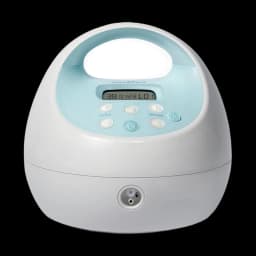
- Built-in rechargeable battery
- Closed system (no backflow)
- Adjustable suction + massage mode
Price checked Sep 12, 2026
Our Verdict
File the claim before 36 weeks and let the plan fund your main pump. Add a wearable only if you express at a desk or behind the wheel, since they trade output for freedom. Willow Go and Elvie Stride are the discreet options. Replace valves and membranes on schedule or your yield quietly falls.
Pick by situation
| If your situation is… | Pick | Why |
|---|---|---|
| Exclusive pumping or back-to-work primary pump | Spectra S1 Plus | Hospital-grade closed-system pump; the standard primary-pump recommendation from IBCLCs. Rechargeable battery for portability. |
| Wearable for workday discretion + commute pumping | Elvie Stride | Tubeless, app-controlled wearable. Trade: lower suction than the Spectra. Use as a secondary pump, not the primary. |
| Subsidized through insurance, want best wearable covered | Momcozy M5 | Most insurance-covered wearable in 2026; quiet, lightweight, sufficient suction for letdown. Right pick when insurance dictates the brand. |
| Backup catch-up letdown pump under $20 | Haakaa Manual Pump | Suction-cup catcher for the off-breast during nursing. The supplemental milk-collection device every nursing mom should have. |
Each pick is one of the products ranked below — this row is for shortcutting based on your situation, not a separate recommendation.
#1Spectra S1 Plus 4.6 | #2Momcozy M5 Smart Wearable Breast Pump (2-Pack) 4.3 | #3Elvie Stride 4.3 | #4Medela Pump In Style Pro+ 4.2 | #5Haakaa Manual Pump 4.6 | #6Willow Go 4.2 | |
|---|---|---|---|---|---|---|
| Verdict | Momcozy's flagship in-bra wearable, now sold as a two-cup set: app-controlled modes and levels, a discreet cup that's two-thirds the size of ordinary pumps, and a 'Baby Mouth' suction shape with micro-vibration meant to improve comfort and letdown. Truly hands-free pumping. | |||||
| Price | ~$180.79Buy on Amazon | ~$169.99Buy on Amazon | ~$149.99Buy on Amazon | ~$169.99Buy on Amazon | ~$12.94Buy on Amazon | ~$199.99Buy on Amazon |
| Modes | — | 3 modes, 9 levels | — | — | — | — |
| App | — | App control | — | — | — | — |
| Flange | — | 24mm | — | — | — | — |
| Included | — | 2 pump cups | — | — | — | — |
| Buyer sentiment | Performance Battery life Noise level Reliability Buyers praise performance, battery life, noise level and reliability. Based on 3,514 user mentions | — | Suction Value for money Leakage Mixed feedback on reliability and effectiveness. Some flag suction and value for money. Based on 1,026 user mentions | Pump quality Portability Suction Battery life Buyers praise pump quality, portability, suction and battery life. Based on 45 user mentions | Effectiveness Ease of use Quality Ease of cleaning Suction Buyers praise effectiveness, ease of use, quality and ease of cleaning. Some flag suction. Based on 3,210 user mentions | Quality Ease of cleaning Ease of use Reliability Suction Value for money Buyers praise quality, ease of cleaning and ease of use. Some flag reliability and suction. Based on 803 user mentions |
| Pros |
|
|
|
|
|
|
| Cons |
|
|
|
|
|
|
* Prices are approximate. Check the linked retailer for current pricing and availability.
Key Takeaways
- ✓File the claim before 36 weeks and let the plan fund your main pump. Add a wearable only if you express at a desk or behind the wheel, since they trade output for freedom. Willow Go and Elvie Stride are the discreet options. Replace valves and membranes on schedule or your yield quietly falls.
- ✓> Start here, before paying retail: Most US insurance plans cover a breast pump for free or with a small upgrade fee, through suppliers like Aeroflow Breastpumps or Edgepark Medical. Submit your cl...
- ✓We researched the top breast pumps across community consensus from r/ExclusivelyPumping, r/breastfeeding, and r/beyondthebump, plus expert reviews from Wirecutter, BabyGearLab, and lactation consul...
- ✓The #1-selling milk storage bag in the US, presterilized with a double zipper seal that resists freezer leakage. Lay-flat design lets you stack a freezer efficiently. 100-count box is roughly $18.
- ✓Closed-system design — a barrier prevents milk getting into tubing or motor. Easier to clean, more hygienic, and now standard on every pump on this list
As an Amazon Associate I earn from qualifying purchases. Product prices and availability are subject to change.
The Bottom Line
Start here, before paying retail: Most US insurance plans cover a breast pump for free or with a small upgrade fee, through suppliers like Aeroflow Breastpumps or Edgepark Medical. Submit your claim before 36 weeks pregnant and the pump usually ships before baby arrives.
The Spectra S1 Plus is the community gold standard for output, comfort, and reliability. It is the pump most likely to keep up with your supply for back-to-work pumping or building a freezer stash.
- Spectra S1 Plus — the community gold standard for output, comfort and reliability
- Momcozy M5 — the best wearable under $200, with multiple flange sizes included and app control
- Haakaa — a $16 silicone catcher that pays for itself in the first week
How We Evaluated
We researched the top breast pumps across community consensus from r/ExclusivelyPumping, r/breastfeeding, and r/beyondthebump, plus expert reviews from Wirecutter, BabyGearLab, and lactation consultant guidance from KellyMom. We did not hands-on test pumps. We evaluated suction strength, output reports, ease of cleaning, parts availability, insurance coverage paths, and warranty.
Key criteria:
- Closed-system design (prevents milk in tubing)
- Insurance-covered through major suppliers
- Replacement parts pipeline at major retailers
- Multiple flange sizes available (default 24 mm fits ~50% of pumpers)
- Community-validated for sustained pumping
The 6 Best Breast Pumps for 2026
1. Spectra S1 Plus - Best Overall Plug-In Pump
Buy on Amazon · $180.79 →Hospital-strength rechargeable double electric pump with 250 mmHg max suction and a closed system. Quiet enough for night feeds, with a battery that untethers you from the wall. The most-recommended pump on r/ExclusivelyPumping for sustained output.
Best for: Back-to-work pumpers, exclusive pumpers, freezer stash builders.
2. Momcozy M5 - Best Budget Wearable
Buy on Amazon · $169.99 →App-controlled in-bra wearable with 3 modes and 9 suction levels. Ships as a 2-pack with multiple flange sizes (17/19/21/24 mm), at roughly half the price of Elvie or Willow. Output runs about 10-20% below a Spectra for most pumpers, but the hands-free freedom is the point.
Best for: Working parents who need to pump during meetings or on the go.
3. Elvie Stride - Best Premium Wearable
Buy on Amazon · $149.99 →App-controlled wearable with hospital-grade suction via a small portable hub on the waistband. The quietest wearable researched, suitable for office settings. Cups fit inside most regular bras.
Best for: Office pumpers who need discretion and stronger output than fully cordless wearables.
4. Medela Pump In Style Pro+ - Best Insurance Default
Buy on Amazon · $169.99 →Closed-system double electric and the current flagship of Medela's Pump In Style family, replacing the older MaxFlow generation. Medela states it delivers a pumping pattern similar to the hospital Symphony, with 16 suction levels, wide-angle shields it credits with 11.8% more milk, a built-in rechargeable battery, and only four parts to wash. Backed by the largest replacement parts pipeline of any pump on this list.
Best for: Anyone who wants a reliable plug-in pump with universal parts availability.
5. Haakaa Silicone Manual Pump - Best Sub-$20 Add-On
One-piece silicone milk catcher that uses passive suction. Attach to the non-nursing side during a feed and catch 1-3 oz of letdown that would otherwise soak a breast pad. Every nursing parent should own one.
Best for: Catching letdown, travel, backup, postpartum gift.
6. Willow Go - Most Discreet Wearable
Buy on Amazon · $199.99 →Fully all-in-bra wearable with no hub, no tubes, no cords. 295 mmHg max suction, 5 oz cup capacity, app-controlled. The bulkiest cup profile of the wearables, but the most discreet under loose clothing.
Best for: Pumpers who want zero cords and are willing to pay a premium.
Plus a Bonus Pick: Lansinoh Storage Bags
The #1-selling milk storage bag in the US, presterilized with a double zipper seal that resists freezer leakage. Lay-flat design lets you stack a freezer efficiently. 100-count box is roughly $18.
What to Look For in a Breast Pump
- Closed-system design — a barrier prevents milk getting into tubing or motor. Easier to clean, more hygienic, and now standard on every pump on this list
- Flange sizing — the default 24 mm fits roughly half of pumpers. Most pumps now include multiple sizes or sell inserts
- Insurance coverage — Aeroflow and Edgepark handle claims for nearly every US plan. Most cover the full cost of a base pump and a small upgrade fee for premium models
- Suction strength — hospital-grade is 250-300 mmHg. Anything under 200 mmHg will not maintain supply for exclusive pumpers
- Parts pipeline — universal replacement parts (Spectra, Medela) are easier to maintain than proprietary closed ecosystems
The one that catches people out: The wrong flange size tanks output and causes nipple damage. Get measured at 2-3 weeks postpartum, once swelling settles.
FAQ
Does insurance really cover breast pumps for free?
Yes, the Affordable Care Act requires most US insurance plans to cover a breast pump at no out-of-pocket cost. Use a supplier like Aeroflow Breastpumps or Edgepark Medical to handle the claim. Many plans even cover wearables and Spectra models with a small copay (typically $50-150). Submit the claim before 36 weeks pregnant so your pump arrives before baby.
Which pump has the strongest suction?
Willow Go (295 mmHg) and Spectra S1 Plus (250 mmHg) have the strongest suction on this list. Hospital-grade is generally 250-300 mmHg. For most pumpers, suction strength matters less than the right flange fit and a comfortable mode cycle.
Are wearable pumps as good as plug-in pumps?
Not for output.
- Most pumpers report 10-20% lower output from wearables — Elvie, Willow, Momcozy — compared to plug-ins like Spectra
- Wearables win on convenience and freedom
- Plug-ins win on milk volume
Many parents own both.
Do I really need a Haakaa?
If you nurse, yes. It catches the letdown from the non-nursing breast that would otherwise soak a breast pad. Many parents collect 1-3 oz per feed this way. At $16 it pays for itself in the first week of use.
How often should I replace pump parts?
| Part | Replace every |
|---|---|
| Duckbills and valves | 2-3 months of regular use |
| Membranes | 4-6 weeks |
| Tubing | Only if cracked or moldy — closed systems usually never need it |
Lower output is often the first sign that parts are worn.
What flange size do I need?
- The default 24 mm fits roughly half of pumpers
- Most need a smaller size, 17-21 mm
- Get measured at 2-3 weeks postpartum, once initial swelling settles A wrong-size flange tanks output and can cause nipple damage. Aeroflow and most lactation consultants offer free measurement.
Can I use a wearable pump for exclusive pumping?
You can, but: Most exclusive pumpers find the lower output of wearables makes it hard to keep up with supply long term. The most common setup is a Spectra at home for power sessions plus a wearable for work or errands.
Hilly Shore Inc.
Editorial teamIndependent product research team behind Cribworthy. Reviews are grounded in published AAP / CDC / NHTSA / CPSC pediatric guidance, JPMA / GREENGUARD GOLD / OEKO-TEX certification verification, and aggregated buyer sentiment.
115 products reviewed · 20 categories covered · cites AAP, CDC, NHTSA, CPSC, FDA, ACOG.
Safety claims are verified against published pediatric guidelines and CPSC databases. See our editorial standards.