How to Travel With a Baby: The Complete Gear and Planning Guide
Quick Answer
Buy your baby a seat and bring an FAA-approved car seat instead of flying lap-held — turbulence is the reason, and the seat doubles as a familiar sleep spot on arrival. Feed or offer a pacifier during takeoff and landing for ear pressure. On road trips, drive across nap times and stop every two hours. Pack one bag you can reach without standing up.
Our Verdict
Gear rented at your destination beats gear dragged through an airport: cribs, high chairs, and tubs are standard at hotels and rentals, while the car seat is the one item worth hauling yourself. Keep the bedtime sequence and sleep environment identical even when the schedule collapses. Book the earliest flight of the day, because delays compound and so do overtired babies.
As an Amazon Associate I earn from qualifying purchases. Product prices and availability are subject to change.
How to Travel With a Baby: The Complete Gear and Planning Guide
The key to traveling with a baby is starting with the right gear and keeping routines flexible. For flying, the FAA recommends babies ride in an approved car seat secured in their own seat — the Doona car seat stroller is our top pick for air travel because it's FAA-approved and doubles as your stroller. For road trips, plan drives around nap times and stop every two hours. According to the American Academy of Pediatrics (AAP), infants should remain rear-facing in a properly installed car seat for all travel, and parents should never leave a child unattended in a vehicle even briefly. With the right preparation, family travel is not only doable — it can genuinely be enjoyable.
What do you need to know about flying with a baby?
The NHTSA strongly recommends that children under 40 lbs use an FAA-approved child restraint system on aircraft. A 2023 FAA review found that turbulence-related injuries to lap-held infants increased 40% over the prior decade, reinforcing the recommendation to purchase a seat for your baby whenever possible.
- Car seat on the plane — the safest option, and the Doona is FAA-approved so it doubles as your stroller
- Lap infant — free under 2 on domestic flights, but bring the birth certificate as age proof
- Gate-check the stroller and car seat — free on most airlines, handed off and returned at the jet bridge
- Feed during takeoff and landing — swallowing equalises ear pressure
Car seat on the plane
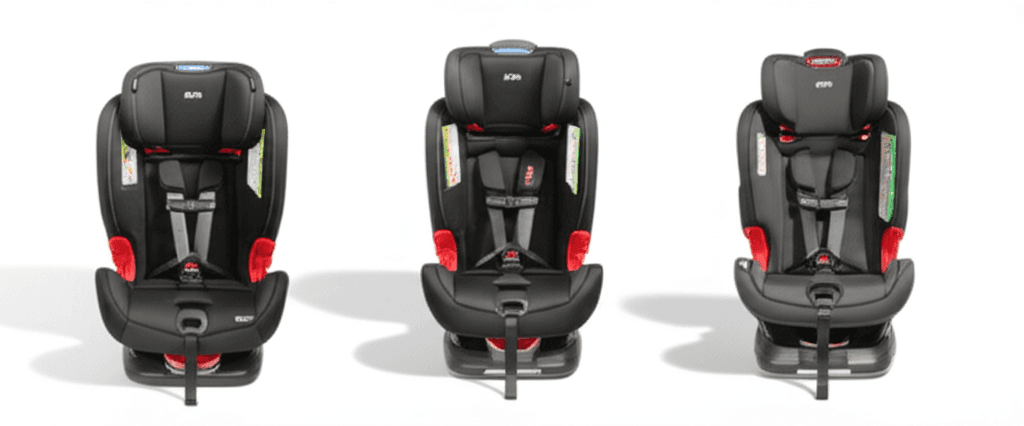
The FAA recommends (but doesn't require for under-2 lap infants) that babies fly in an approved car seat secured in their own seat. If budget allows, buying a seat for baby is the safest option. The Doona car seat stroller is our top pick for flying because it's FAA approved and eliminates the need to gate-check a stroller. See our car seats guide for more options.
According to NHTSA guidelines, the safest option for air travel is a rear-facing, FAA-approved car seat secured in a window seat. The Federal Aviation Administration maintains a list of approved child restraint systems at faa.gov, and all seats manufactured to FMVSS 213 standards are permitted for aircraft use.
If baby is a lap infant
Babies under 2 can fly free as a lap infant on domestic flights. You'll need a copy of baby's birth certificate as age proof. Ask for a bulkhead seat for extra room, and be prepared for turbulence to be scarier when you're physically holding your baby.
Gate-checking gear
Most airlines let you gate-check a stroller and car seat for free. Gate-checking means you use the stroller through the airport and hand it off at the jet bridge. It's returned at the jet bridge at your destination.
Worth the money: A padded travel bag protects an expensive stroller from baggage handler damage.
Feeding during takeoff and landing
Swallowing helps equalize ear pressure. Nursing, bottle-feeding, or offering a pacifier during ascent and descent can prevent ear pain and the screaming that comes with it.
Packing your carry-on
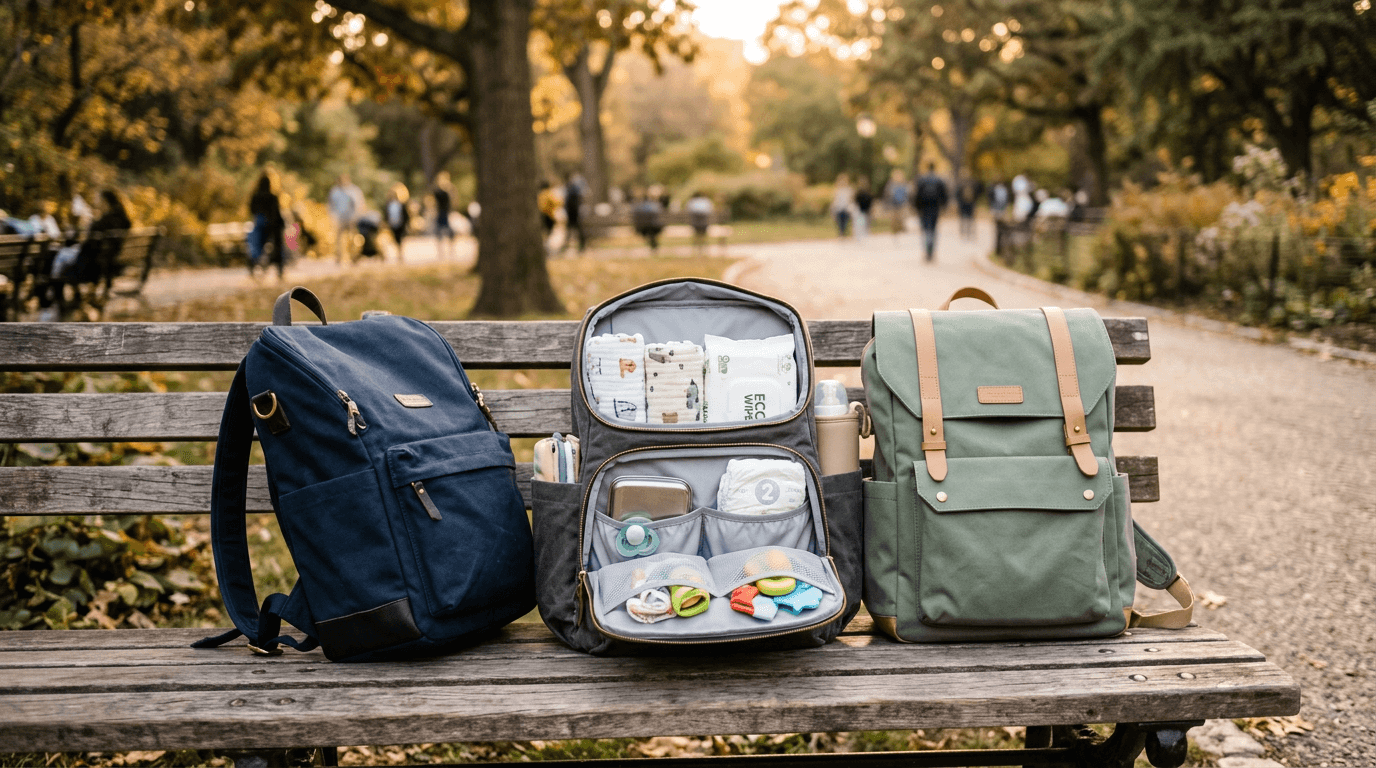
Your diaper bag is your carry-on lifeline. Pack more diapers and outfit changes than you think you need — delays happen. Include:
- Diapers (one per hour of travel plus extras)
- Full pack of wipes
- Two changes of clothes for baby
- One change of shirt for you
- Bottles or nursing supplies
- Pacifiers
- Small toys or books
- Plastic bags for dirty items
- Blanket or swaddle for comfort
How do you road trip with a baby?
The AAP recommends that car seats be used for travel only — not as a prolonged sleeping space outside the vehicle. Always transfer a sleeping baby to a firm, flat surface upon arrival.
Timing drives around sleep
The single best road trip strategy: Leave at nap time or bedtime. A sleeping baby in a car seat is the most peaceful travel companion. If your drive is longer than baby's sleep cycle, plan stops for feeds and diaper changes.
Car seat comfort
Check that baby's car seat is properly adjusted for the season.
No puffy coats: In winter, remove them before buckling — the coat compresses in a crash, leaving the harness too loose. Use a car seat cover over the harness instead.
Rest stops every 2 hours
Babies shouldn't stay in a car seat for more than two hours at a stretch. Plan rest stops where you can:
- Take baby out
- Feed them
- Change their diaper
- Let them stretch
The American Academy of Pediatrics recommends limiting car seat time for infants and stopping every 2 hours on road trips. Prolonged time in a semi-upright position can restrict airflow in very young infants, particularly those born premature. Regular stops also give parents an opportunity to check harness fit and baby's positioning.
Pack a cooler
If bottle-feeding, a cooler with ice packs keeps prepared bottles safe for longer trips. A portable bottle warmer or thermos of hot water lets you warm bottles at rest stops.
What travel gear do you actually need for a baby?
The CPSC advises parents to bring their own portable crib or play yard when traveling, as hotel-provided cribs may not meet current safety standards. All portable cribs used for sleep should comply with CPSC 16 CFR 1221 standards and have a firm, flat mattress with no additional padding.
| Need | Pick | Why |
|---|---|---|
| Sleeping away from home | Guava Lotus Travel Crib | 15 lbs with its backpack-style carry case, per Guava |
| Strolling | Babyzen YOYO2 | Folds small enough for airplane overhead bins, under 15 lbs |
| Blackout | SlumberPod | Turns any Pack 'n Play into a dark sleep environment, around $180 |
For sleeping away from home
A portable crib or Pack 'n Play is essential. The Guava Lotus Travel Crib is our top travel sleep pick — Guava lists it at 15 lbs including its backpack-style carry case. Bring baby's sleep sack and sound machine from home to maintain sleep routine consistency.
For strolling
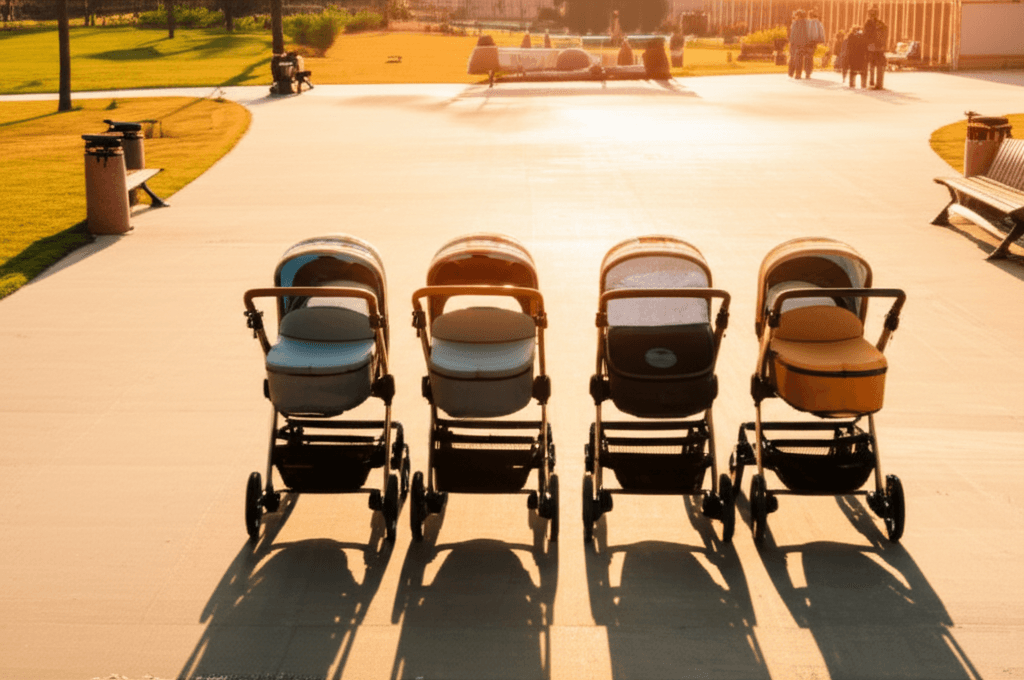
A travel stroller like the Babyzen YOYO2 folds small enough for airplane overhead bins and weighs under 15 lbs. If you already have a full-size stroller, consider whether the convenience of a dedicated travel stroller is worth the investment for your travel frequency.
For baby containment
A SlumberPod portable blackout cover turns any Pack 'n Play into a dark sleep environment, invaluable for hotel rooms where you can't control the light. At around $180, it's worth every penny for traveling families.
How do you keep baby's routine while traveling?
Keep sleep routine consistent
Whatever your bedtime routine is at home — bath, book, sleep sack, sound machine — replicate it as closely as possible while traveling. Babies find comfort in familiar sequences, even in unfamiliar places. Read our bedtime routine guide for more on this.
Be flexible with schedules
Travel disrupts schedules. Accept this and adjust. An earlier bedtime after a stimulating travel day is often necessary. Extra feeds and contact naps are your friends when baby is unsettled in a new environment.
Time zone changes
- Short trips, under a week — many sleep consultants recommend keeping baby on your home time zone rather than adjusting
- Longer trips — shift bedtime by 15-30 minutes per day toward the new time zone, starting a few days before departure
Should you book a hotel or vacation rental with a baby?
| Hotel | Vacation rental | |
|---|---|---|
| Crib | Call ahead to confirm one is available and meets CPSC standards | Check the rental provides one, or bring your own travel crib |
| Space | A corner room reduces noise from neighbors | More space and separate bedrooms |
| Kitchen | — | Invaluable for baby food prep |
Hotels
Call ahead to confirm a crib is available and meets CPSC standards. Bring your own crib sheet — hotel crib sheets may not fit properly. A corner room reduces noise from neighbors.
Vacation rentals
These often give you more space, a kitchen (invaluable for baby food prep), and separate bedrooms. Check that the rental provides a crib, or bring your own travel crib.
What should you know before your first trip with a baby?
Don't plan an ambitious itinerary for your first trip with baby. For a first trip:
- Choose a destination within driving distance or a short flight
- Stay somewhere comfortable with good baby facilities
- Lower your expectations for sightseeing The goal is to prove to yourselves that travel with a baby is possible and get more comfortable with the logistics. Adventure trips can come later.
What's the most important travel advice for new parents?
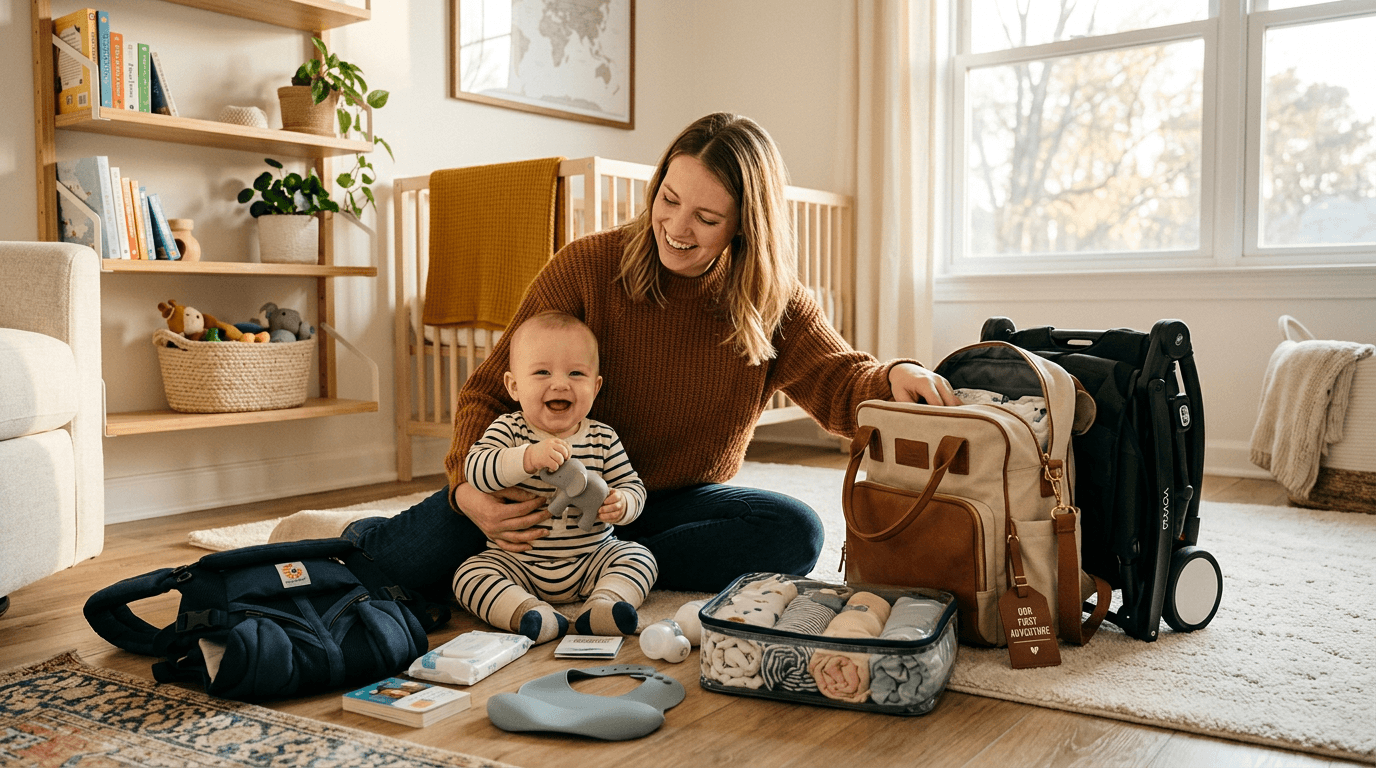
Travel with a baby requires more planning but it's absolutely worth it. The right gear — especially a good travel stroller, portable crib, and well-packed diaper bag — makes a huge difference. Start with short trips, keep routines as consistent as possible, and give yourself grace when things don't go perfectly. They won't, and that's okay. Check our strollers and diaper bags categories for travel-friendly gear picks.
Further Reading
💬 Real Talk from Parents
Every parent swears their stroller is the best one. None of them agree with each other.
Your stroller will become a portable storage unit within the first week.
We spent $900 on a stroller and ended up using the $200 umbrella stroller 90% of the time. Babies don't care about suspension.
Paraphrased community consensus — not a direct quote.
More expensive strollers are always safer.
All strollers sold in the US must meet ASTM F833 safety standards regardless of price. A $200 stroller passes the same safety tests as a $1,200 one.
Travel systems are always the best value.
Travel systems bundle a stroller with a car seat, but the stroller component is often lower quality than buying separately. Compare specs, not just price.
Your next step
Travel-ready? Get the stroller, car seat, and travel crib sorted.
Hilly Shore Inc.
Editorial teamIndependent product research team behind Cribworthy. Reviews are grounded in published AAP / CDC / NHTSA / CPSC pediatric guidance, JPMA / GREENGUARD GOLD / OEKO-TEX certification verification, and aggregated buyer sentiment.
124 products reviewed · 22 categories covered · cites AAP, CDC, NHTSA, CPSC, FDA, ACOG.
Safety claims are verified against published pediatric guidelines and CPSC databases. See our editorial standards.