How to Wean Your Baby Off the Pacifier (Without a Meltdown)
Quick Answer
There is no rush before six months, since pacifier use at sleep times is associated with lower risk of sudden infant death. Between six and twelve months, address it only if replacing it all night is wrecking your sleep. Most families do best weaning between eighteen months and three years, either cold turkey over three rough nights or by shrinking pacifier time gradually.
Our Verdict
Go cold turkey with a toddler past eighteen months who understands a simple explanation, and expect three difficult nights rather than three weeks. Choose the gradual route for a younger baby or a sensitive child, cutting daytime use first and sleep use last. Offer a comfort object as the replacement. Do not start weaning during a move, a new sibling, an illness, or the first week of daycare.
Key Takeaways
- ✓If your baby loves their pacifier, you probably love it too — it soothes, reduces crying, and the AAP notes it's associated with reduced SIDS risk when used at sleep time.
- ✓Don't rescue with the pacifier during the protest phase. Every time you offer the pacifier in response to crying, you reset the process and teach that crying long enough brings the pacifier back.
- ✓The good news: most dental changes from pacifier use in children under 3 years reverse naturally after weaning, as long as weaning occurs before permanent teeth develop (typically age 5–6).
As an Amazon Associate I earn from qualifying purchases. Product prices and availability are subject to change.
How to Wean Your Baby Off the Pacifier (Without a Meltdown)
If your baby loves their pacifier, you probably love it too — it soothes, reduces crying, and the AAP notes it's associated with reduced SIDS risk when used at sleep time. But there comes a point when the pacifier becomes a sleep crutch, a dental concern, or a source of the 3am screams when it falls out and the baby can't find it. The weaning process doesn't have to be traumatic — for you or them.
If you are still shopping for the pacifier itself rather than ending it, our roundup of the best pacifiers and teethers covers the shapes that come off easiest later.
When to Wean
The timing guidance is more relaxed than most parents realize:
- Under 6 months: No rush. The AAP recommends pacifier use at naptime and bedtime during this period for SIDS prevention.
- 6–12 months: Still fine, but if your baby is waking every 90 minutes to have it replaced, it's worth addressing the sleep association (see our sleep training guide).
- 12–18 months: A good window — old enough to understand simple explanations, young enough that the pacifier habit isn't deeply entrenched.
- By 24 months: Most pediatric dentists recommend weaning by this point to prevent impact on tooth alignment and palate development. The earlier the better for dental health, but no earlier is necessary.
Methods That Actually Work
The Cold Turkey Method (Best for Toddlers 18+ months)
Pick a day, remove all pacifiers, and don't go back. This sounds harsh but actually works faster than gradual methods — the new reality is established in 3–5 nights of protest rather than weeks of confusion.
How to make it easier:
- Warn your toddler 1–2 days ahead: "In two days, the paci is going away. You're a big kid now."
- Have a "pacifier fairy" ceremony — the toddler puts the pacifiers in a bag that the fairy takes overnight, leaving a small gift.
- Validate the feelings: "I know you miss your paci. It's okay to feel sad."
- Extra cuddles and comfort during the 3–5 nights of transition.
The Gradual Method (Best for younger babies and sensitive toddlers)
Reduce pacifier use systematically over 2–3 weeks:
Week 1: Pacifier only at nap and bedtime. Remove it in all other contexts.
Week 2: Pacifier only at bedtime, not naps.
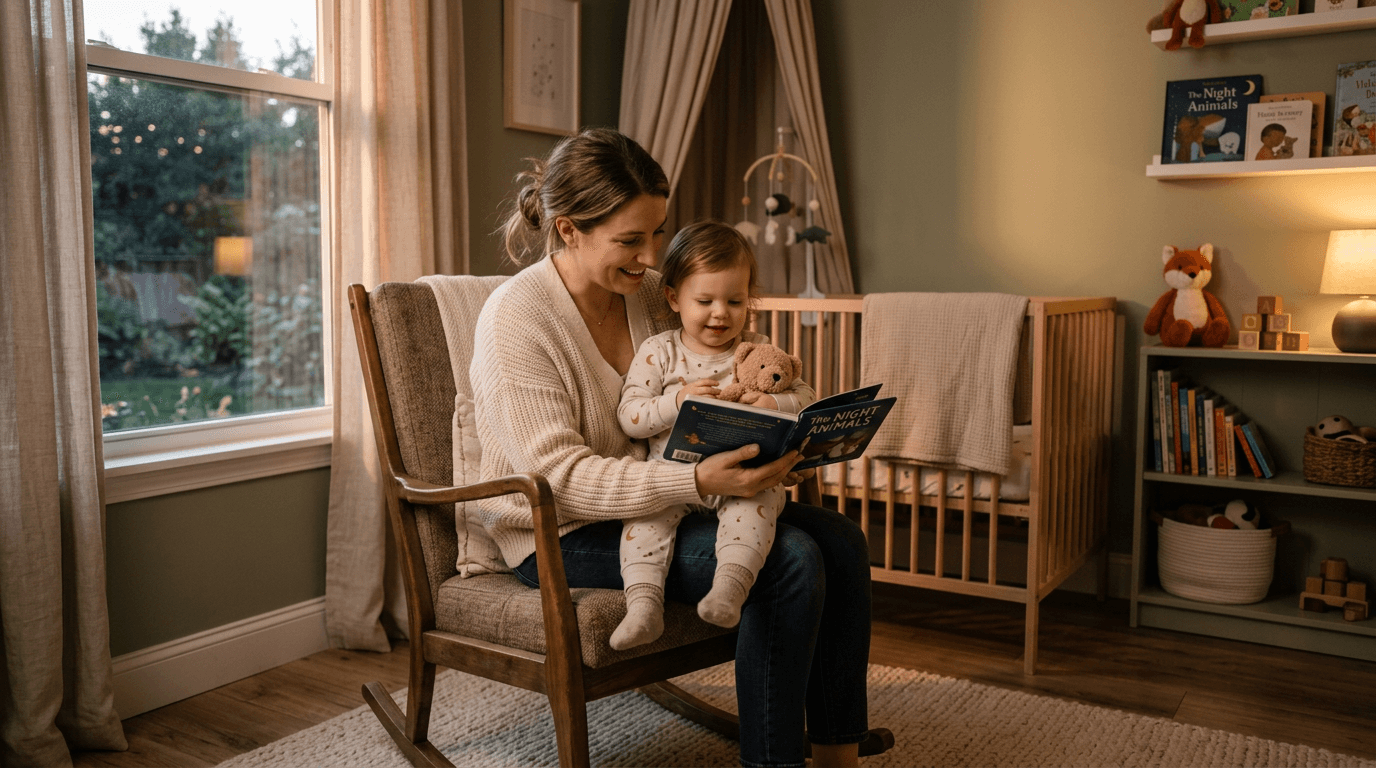
Week 3: Introduce a transitional object (stuffed animal, comfort blanket) at bedtime. Offer the pacifier last — after books, rocking, song. When the baby is drowsy, remove it before sleep.
Week 4: Remove bedtime use entirely.
This method takes longer but creates less acute protest, especially for babies under 12 months.
The Comfort Object Swap
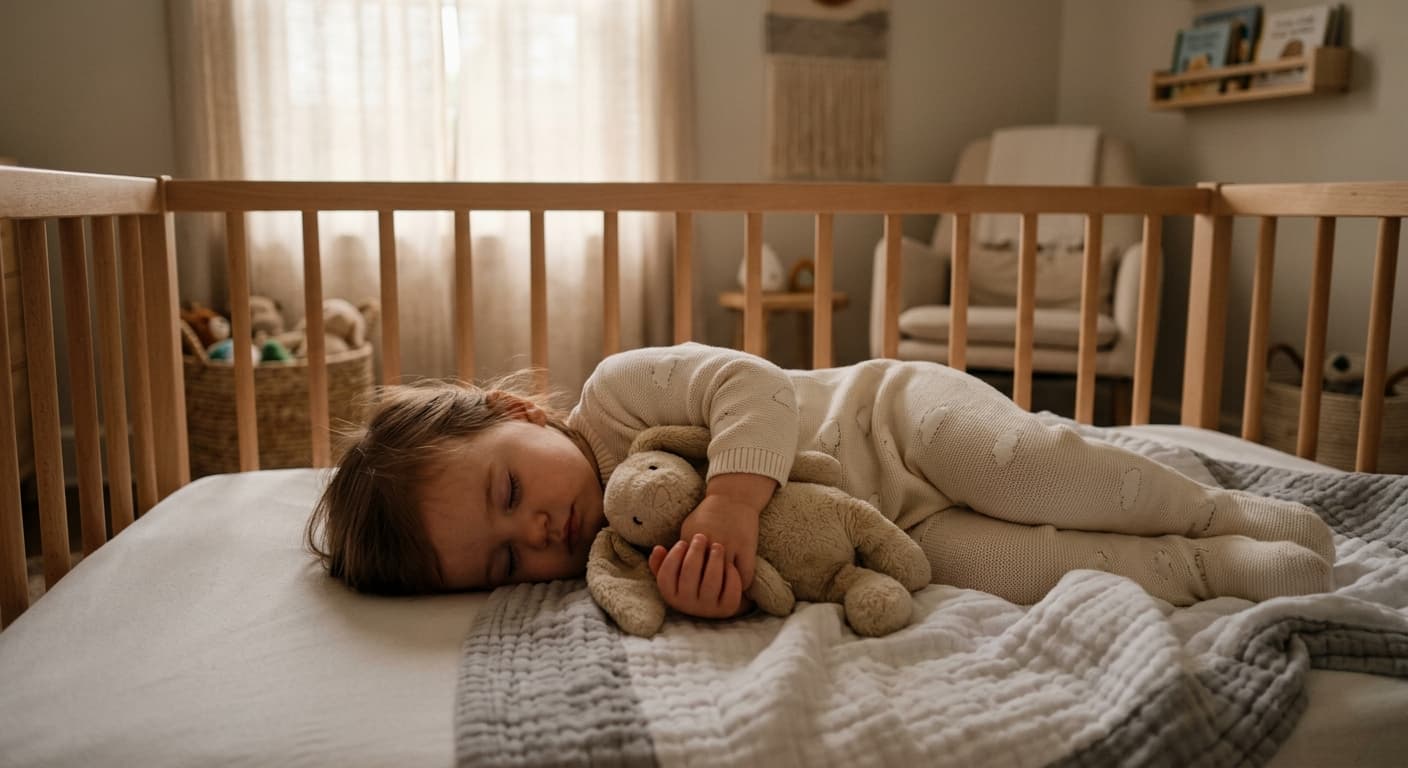
Before weaning, introduce a new comfort object — a soft lovey, small stuffed animal, or comfort blanket — that your baby associates with sleep and security. Make it present during all bedtimes for 2–3 weeks before weaning. The lovey fills some of the same soothing function as the pacifier, making the transition smoother.
Aden + Anais dream blankets are a popular choice — soft muslin that retains parent scent and is safe for crib use once the baby is past rolling milestones.
What to Expect: The Protest Phase
No method eliminates protest entirely. Expect:
- Nights 1–3: Maximum protest, possibly significant crying before sleep, more night waking
- Nights 4–7: Protest begins to diminish
- By night 10: Most children have adjusted
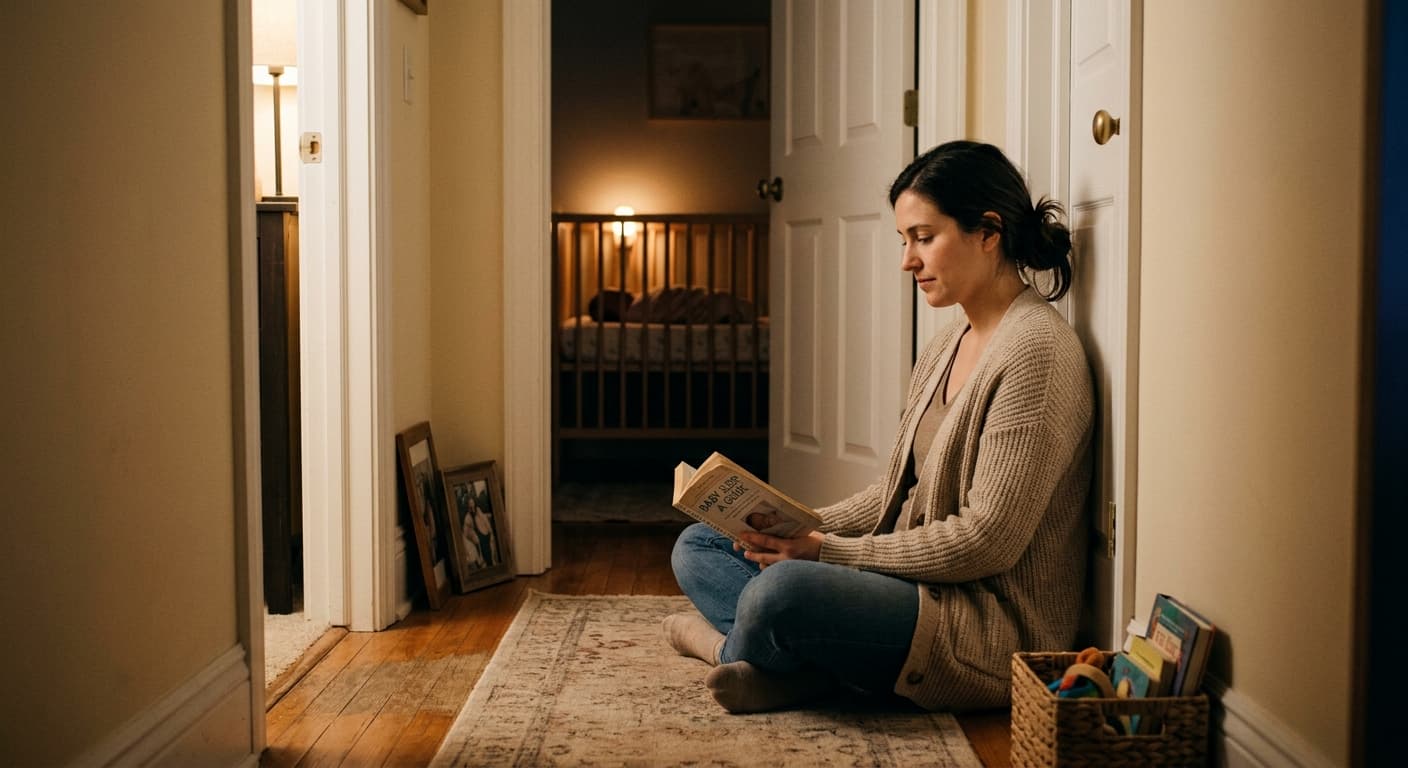
Don't rescue with the pacifier during the protest phase. Every time you offer the pacifier in response to crying, you reset the process and teach that crying long enough brings the pacifier back. Comfort in other ways — cuddles, your voice, back rubs — but don't reintroduce the pacifier unless you're willing to start over.
Dental Concerns
After 24 months, prolonged pacifier use can cause:
- Open bite: Front teeth don't meet when the mouth is closed
- Crossbite: Upper teeth don't meet lower teeth correctly
- Narrowing of the palate
The good news: most dental changes from pacifier use in children under 3 years reverse naturally after weaning, as long as weaning occurs before permanent teeth develop (typically age 5–6). Discuss with your pediatric dentist at the 18-month visit if concerned.
For related sleep help, see our sleep regression survival guide and how to establish a bedtime routine.
🏆 Bottom Line: The cold turkey method is fastest for toddlers 18+ months. The gradual method is gentler for younger babies. Either way, expect 3–7 nights of harder sleep before the new normal sets in — and don't rescue with the pacifier during that window.
Sources
- American Academy of Pediatrics (AAP) — Pacifier use and SIDS risk. healthychildren.org.
- American Academy of Pediatric Dentistry (AAPD) — Policy on thumb and pacifier sucking. aapd.org.
- Adair SM — "Pacifier use in children: A review of recent literature." Pediatric Dentistry, 2003.
- Sexton S, Natale R — "Risks and Benefits of Pacifiers." American Family Physician, 2009.
- Cleveland Clinic — Pacifier weaning tips for parents. clevelandclinic.org.
💬 Real Talk from Parents
Sleep training is 50% technique and 50% parental willpower.
Every baby sleep book contradicts the last one you read. That's normal.
The secret nobody tells you: most babies figure out sleep eventually. The books just help you survive until they do.
Paraphrased community consensus — not a direct quote.
Your next step
Onto the toddler stage — here's the gear that grows with them.
Research Sources
Hilly Shore Inc.
Editorial teamIndependent product research team behind Cribworthy. Reviews are grounded in published AAP / CDC / NHTSA / CPSC pediatric guidance, JPMA / GREENGUARD GOLD / OEKO-TEX certification verification, and aggregated buyer sentiment.
122 products reviewed · 22 categories covered · cites AAP, CDC, NHTSA, CPSC, FDA, ACOG.
Safety claims are verified against published pediatric guidelines and CPSC databases. See our editorial standards.