Skip This: Used Car Seats From Strangers
Skip this
Used car seats from strangers (Facebook Marketplace, Craigslist, OfferUp, etc.)
You can't verify crash history, storage conditions, recall status, or expiration. A car seat's crash performance depends on invisible structural integrity — one bet you shouldn't place on a stranger's honesty.
Quick Answer
Only when you know the seat's entire history. A seat handed down by a sibling or close friend, still inside its expiration date, never in a crash, with the label, manual, and pads intact, is fine to use. A seat from a stranger online is not, because you cannot verify a fender bender, a drop onto concrete, or years spent baking in a hot trunk.
Our Verdict
Buy new, or accept a hand-me-down only from someone whose driving and storage you can personally vouch for. Every seat sold in the United States has to meet the same federal crash standard, so an entry-level model is a real answer rather than a compromise. Retire the old one through a retailer trade-in event instead of reselling it to another family.
Key Takeaways
- ✓A used seat from a stranger on Facebook Marketplace is a seat whose history you cannot verify. You are trusting that the seller is honest about every car accident, drop, and storage condition the seat has seen.
- ✓Even then, get a CPST to verify installation and fit. Free seat checks are available at most fire stations.
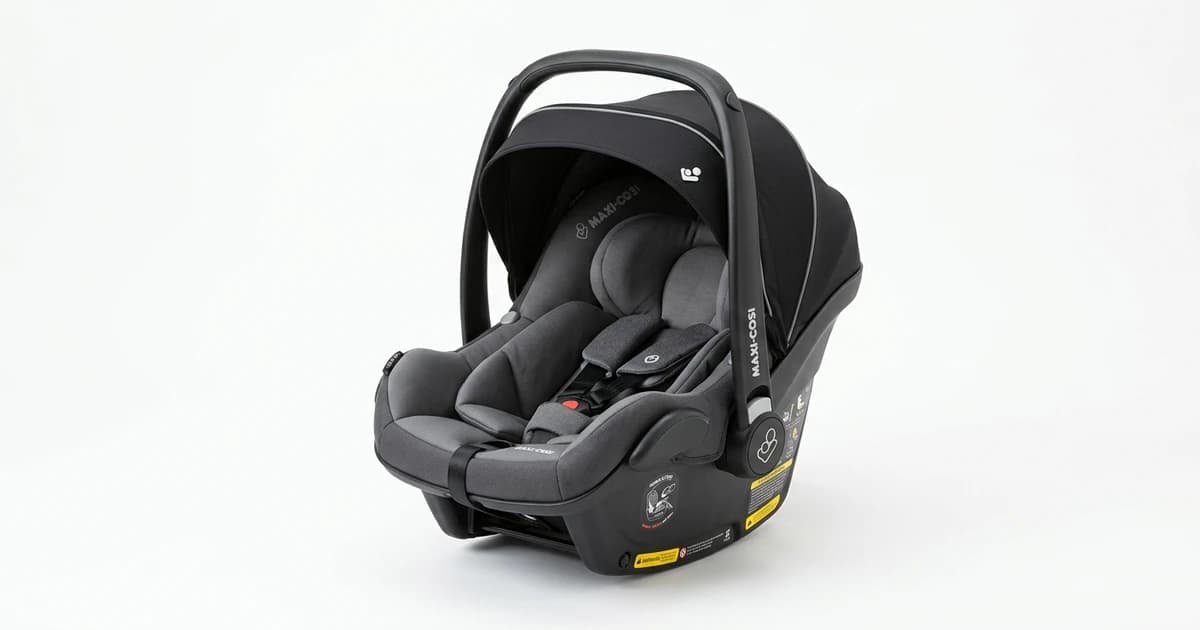
- ✓A new car seat costs less than you think. The Cosco Scenera NEXT is routinely under $60 and meets all current federal safety standards.
As an Amazon Associate I earn from qualifying purchases. Product prices and availability are subject to change.
Why we don't recommend buying used car seats
A car seat's crash protection depends on its shell, foam, harness webbing, and buckle all being structurally uncompromised. Any of those can be silently damaged by:
- A crash (even a minor fender-bender — NHTSA recommends replacing most seats after any moderate or severe crash)
- UV exposure (sun-baking weakens plastic and webbing)
- Expiration (most seats expire 6-10 years from manufacture; materials degrade)
- Drop damage, recalls, unknown history you can't verify from a stranger
A used seat from a stranger on Facebook Marketplace is a seat whose history you cannot verify. You are trusting that the seller is honest about every car accident, drop, and storage condition the seat has seen. That's a bet most CPSTs (Child Passenger Safety Technicians) will advise you not to make.
When a used car seat is actually okay
A car seat from a trusted source is generally fine if every single of the following is true:
- You know the full history — it came from a sibling, close friend, or direct family member.
- It has never been in a crash, even a minor one.
- It has all original parts, the original manual, and the manufacturer's label showing the manufacture date.
- It's within its expiration date. Check it with our car seat expiration checker before you accept it.
- It has not been recalled — check the CPSC recall database by model number.
- It has no cracks, worn webbing, frayed straps, sticky buckles, or stored-outside UV damage.
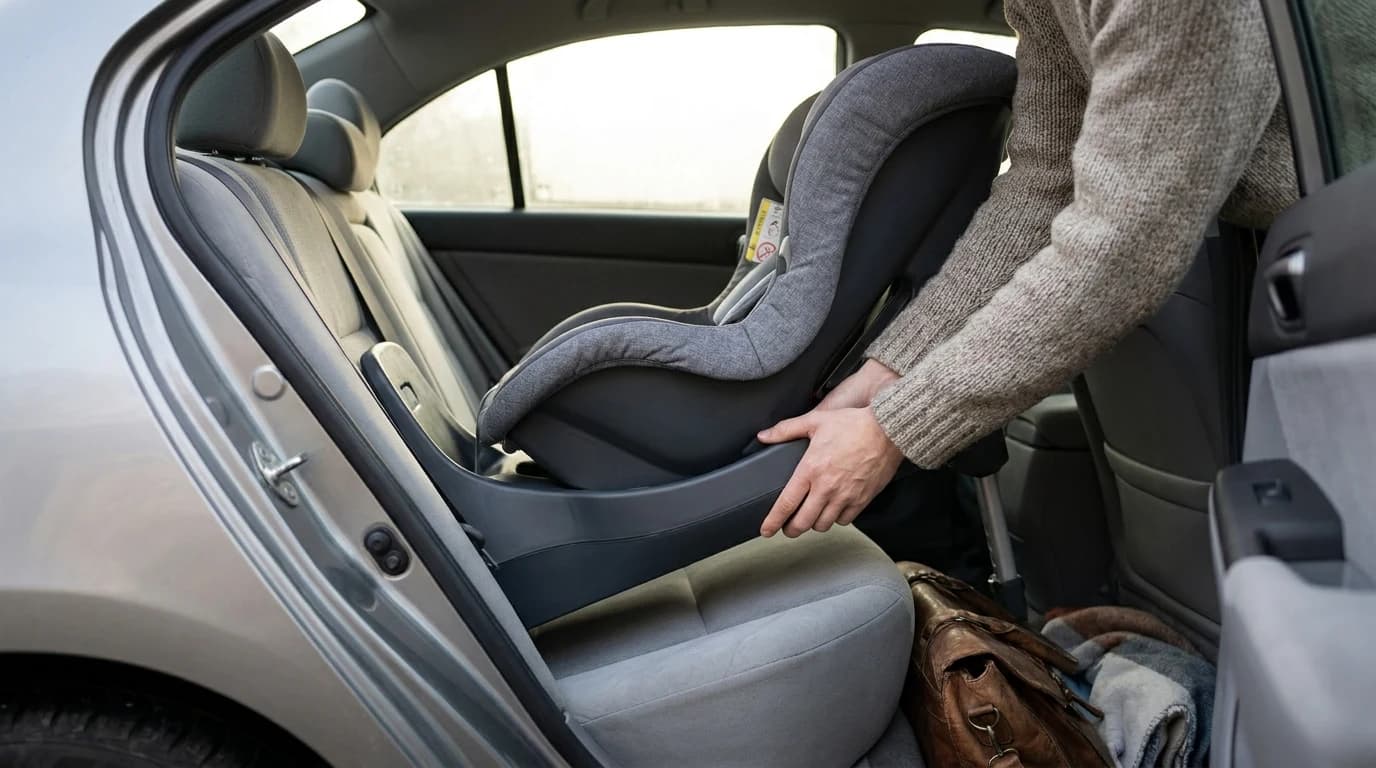
Even then, get a CPST to verify installation and fit. Free seat checks are available at most fire stations.
What to buy instead
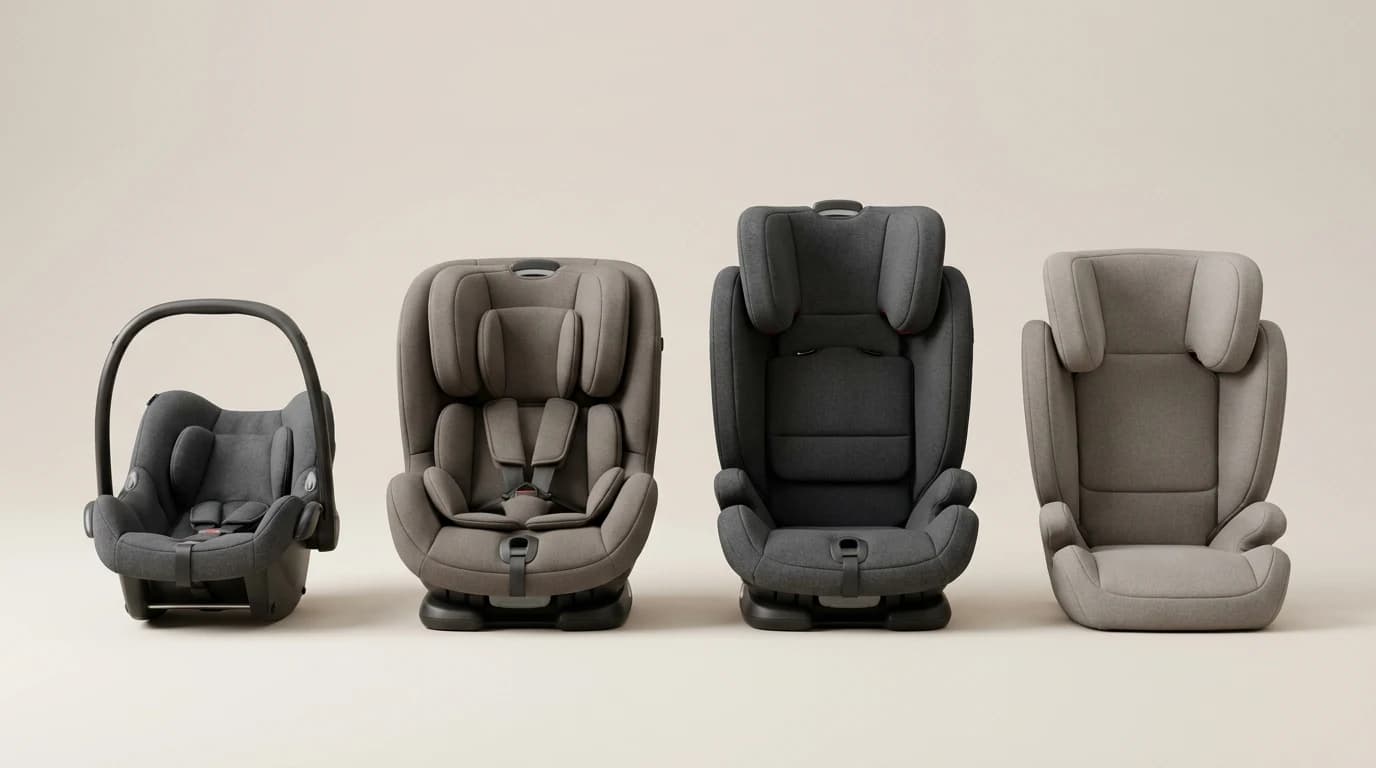
A new car seat costs less than you think. The Cosco Scenera NEXT is routinely under $60 and meets all current federal safety standards. The Graco 4Ever DLX — a 4-in-1 that takes a child from infant through booster — is around $320 new and is rated for 10 years (how it compares with the Chicco NextFit Max).
If budget is tight, some hospitals, WIC offices, and nonprofits distribute free or low-cost new car seats to parents who qualify. Ask your pediatrician's office for a local referral.
FAQ
What about a seat from Craigslist marked 'never in an accident'?
You have no way to verify that. And you're trusting a stranger's recollection of an event that could be silent damage (rear-ended at a stoplight, previous owner never thought it counted). Don't.
Can I just replace the cover or straps if they look worn?
Only with the manufacturer's original replacement parts, using the manufacturer's instructions. Aftermarket or generic parts are not crash-tested with that seat. The same caution applies to add-ons like seat protectors, which each brand's manual treats differently.
What's the deal with car-seat trade-in events?
Target, Walmart, and some manufacturers run trade-in events where you bring an old seat (expired, crashed, whatever) and get a discount on a new one. These are great: the old seat is destroyed responsibly, you get credit, nobody buys a compromised seat on the secondhand market.
Every CPST at a free seat-check event I've ever been to has the same shortlist: don't buy used from strangers, don't skip the 2-inch pinch test, don't rush out of rear-facing at 2.
Paraphrased community consensus — not a direct quote.
Research Sources
Hilly Shore Inc.
Editorial teamIndependent product research team behind Cribworthy. Reviews are grounded in published AAP / CDC / NHTSA / CPSC pediatric guidance, JPMA / GREENGUARD GOLD / OEKO-TEX certification verification, and aggregated buyer sentiment.
131 products reviewed · 22 categories covered · cites AAP, CDC, NHTSA, CPSC, FDA, ACOG.
Safety claims are verified against published pediatric guidelines and CPSC databases. See our editorial standards.