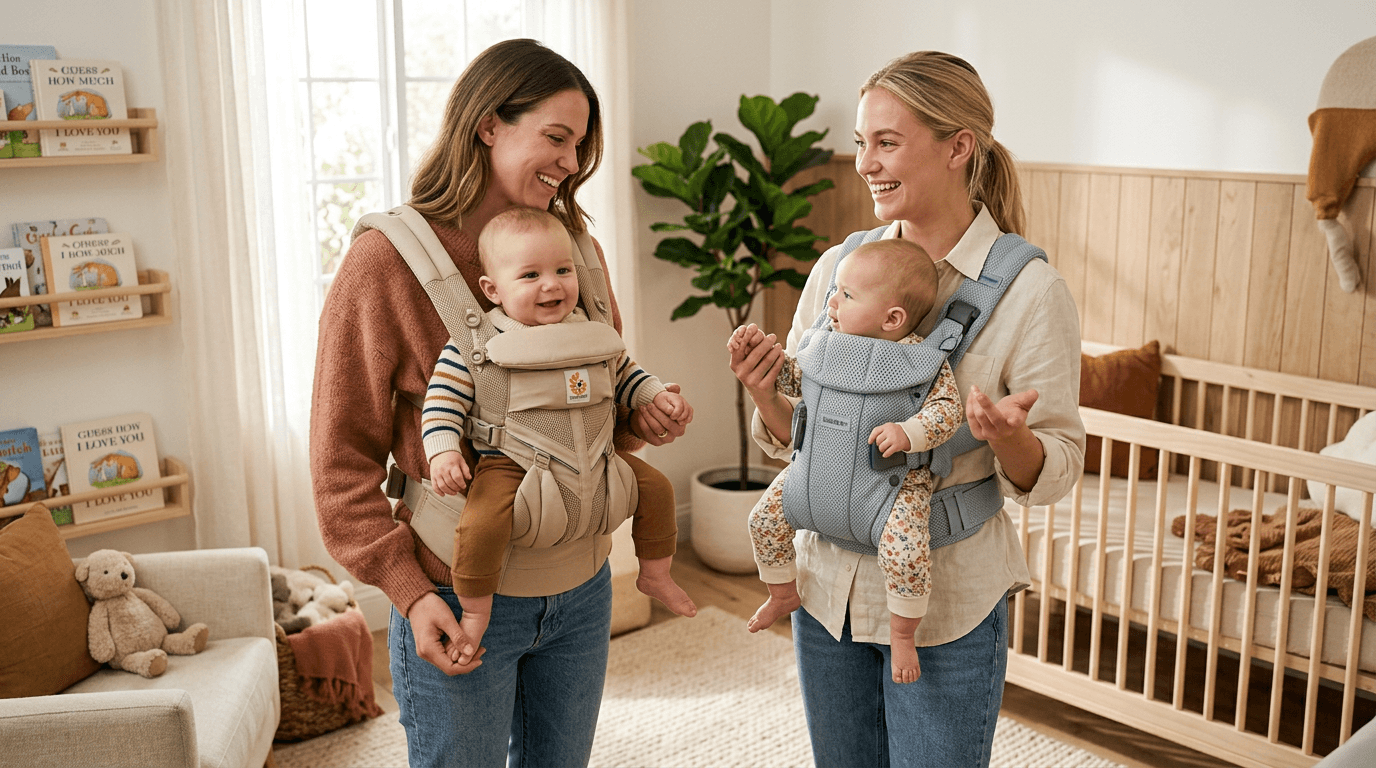
Best Baby Carriers of 2026: Wraps, Slings, and Structured Picks
Our #1 Pick
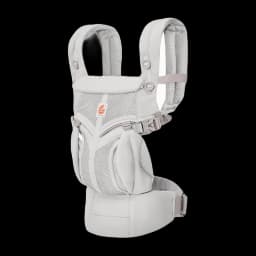
The Ergobaby Omni 360, about $134, is the best baby carrier for most families: four carry positions from 7 to 45 pounds, no infant insert required, and thigh-to-thigh seat support that keeps hips in the spread position specialists ask for. The main alternative is the Solly Baby Wrap near $70, a stretchy newborn wrap for parents who want closeness over buckles.
Best Overall
- All 4 carry positions
- No infant insert needed
- Cool Air Mesh breathability
Price checked Sep 12, 2026
Also Great
Best for Newborns: Solly Baby Wrap ($70) — Best for Newborns
Best Structured Carrier for Value: BabyBjörn Free ($100) — Best Structured Carrier for Value
Our Verdict
Buy the Omni 360 when you want one carrier covering birth through preschool and expect to share it between two adults. A stretchy wrap makes more sense under fifteen pounds, indoors, in the fourth trimester. Wildbird's ring sling is the quick-errand answer. Leave the Osprey hiking frame alone until your child sits unassisted.
Pick by situation
| If your situation is… | Pick | Why |
|---|---|---|
| Want one carrier from newborn through toddler | Ergobaby Omni 360 | Four carry positions, newborn-to-45lb without insert. The category-default for parents who want one carrier through the full age range. |
| First 12 weeks, want soft cocoon for skin-to-skin | Solly Baby Wrap | Modal fabric wrap, hip-healthy, the wrap most postpartum doulas recommend for the fourth trimester. Heat-warning in hot climates. |
| Hiking, day-trips, want a proper backpack rig | Osprey Poco Plus | Real backpack-style hiking carrier with kickstand and sunshade. Built for 12+ month walkers who still need a lift. |
| Want a ring sling that adjusts on the fly | Wildbird | Linen ring sling, single-shoulder asymmetric carry. Right pick for short trips and quick-up-quick-down with older babies. |
| Budget structured carrier under $200 | BabyBjörn Free | Mesh-lined, hip-healthy certified, no insert needed for newborns. The honest sub-$200 structured carrier. |
Each pick is one of the products ranked below — this row is for shortcutting based on your situation, not a separate recommendation.
#1Ergobaby Omni 360 4.6 | #2Solly Baby Wrap 4.6 | #3BabyBjörn Free 4.6 | #4Wildbird 4.4 | #5Osprey Poco LT Child Carrier 4.6 | |
|---|---|---|---|---|---|
| Verdict | Best Overall | Best for Newborns | Best Structured Carrier for Value | Best Ring Sling | Best for Hiking |
| Price | ~$179Buy on Amazon | ~$74Buy on Amazon | ~$109Buy on Amazon | ~$59.99Buy on Amazon | ~$224.95Buy on Amazon |
| Type | Baby Carriers | Baby Carriers | — | Baby Carriers | Framed hiking carrier |
| Weight | — | — | 33 lbs | — | — |
| Max Weight | — | — | — | — | 48.5 lbs (child + gear) |
| Buyer sentiment | Comfort Quality Adjustability Supportive Buyers praise comfort, quality, adjustability and supportive. Mixed feedback on ease of use and value for money. Based on 1,013 user mentions | Quality Softness Ease Of Use Comfort Buyers praise quality, softness, ease of use and comfort. Mixed feedback on value for money and secure fit. Based on 414 user mentions | Comfort Ease Of Use Quality Back Support Buyers praise comfort, ease of use, quality and back support. Mixed feedback on value for money. Based on 227 user mentions | Quality Ease Of Use Appearance Portability Fabric Stiffness Buyers praise quality, ease of use, appearance and portability. Mixed feedback on comfort and material. Some flag fabric stiffness. Based on 175 user mentions | — |
| Pros |
|
|
|
|
|
| Cons |
|
|
|
|
|
* Prices are approximate. Check the linked retailer for current pricing and availability.
Key Takeaways
- ✓Buy the Omni 360 when you want one carrier covering birth through preschool and expect to share it between two adults. A stretchy wrap makes more sense under fifteen pounds, indoors, in the fourth trimester. Wildbird's ring sling is the quick-errand answer. Leave the Osprey hiking frame alone until your child sits unassisted.
- ✓The best baby carrier for most families in 2026 is the Ergobaby Omni 360, which supports four carry positions from newborn to toddler (7-45 lbs) without needing an infant insert. For newborns who c...
- ✓The Ergobaby Omni 360 is our top pick because it does everything well. It works from newborn (7 lbs) through toddler (45 lbs) without an infant insert, offers four carrying positions including forw...
- ✓For the pure newborn snuggle experience, nothing beats a stretchy wrap. The Solly Baby Wrap is our favorite because it's incredibly lightweight and breathable (made from Lenzing Modal, a eucalyptus...
- ✓BabyBjörn redesigned their classic carrier and the result is impressive. The Free offers a 3D mesh fabric that's incredibly breathable, works from newborn without an insert, and has an intuitive de...
💬 Real Talk from Parents
Every parent's 'essential' list is different because every baby is different.
The baby gear you think you need and the gear you actually use are two very different lists.
Your most-used baby item will be something you almost didn't buy.
Your second kid will use half the gear and be twice as chill about it.
Buy used when you can, new when safety matters. Car seats new, toys used. Books used, crib mattress new. That's the rule.
Paraphrased community consensus — not a direct quote.
You need everything on the registry checklist before baby arrives.
Most babies need surprisingly little: a safe sleep space, car seat, diapers, feeding supplies, and a few outfits. Everything else can be bought as needed after you learn your baby's preferences.
More expensive baby gear means better quality.
Many mid-range products match or outperform premium ones in safety tests and durability. Price often reflects brand name and aesthetics, not actual performance. Read reviews, not price tags.

As an Amazon Associate I earn from qualifying purchases. Product prices and availability are subject to change.
Best Baby Carriers of 2026: Wraps, Slings, and Structured Picks
The best baby carrier for most families in 2026 is the Ergobaby Omni 360, which supports four carry positions from newborn to toddler (7-45 lbs) without needing an infant insert. For newborns who crave closeness, the Solly Baby Wrap provides a secure, womb-like hold that supports the recommended "M-position" hip posture. If you want quick on-and-off convenience, the BabyBjörn Free is the easiest structured carrier to use.
The International Hip Dysplasia Institute recommends that baby carriers support the infant's thighs in a spread position with hips bent (the "M-position") to promote healthy hip development. A 2019 study in the Archives of Disease in Childhood found that regular babywearing increased secure attachment behaviors and reduced infant crying by up to 43%.
| Pick | Best for | Fits | Price |
|---|---|---|---|
| Ergobaby Omni 360 | Overall | 7-45 lbs | Around $180 |
| Solly Baby Wrap | Newborn snuggling | Birth to about 15 lbs | — |
| BabyBjörn Free | Value in a structured carrier | Newborn to 33 lbs | Around $100 |
| Wildbird ring sling | Quick up-and-down carries | — | Around $70 |
| Osprey Poco Plus | Hiking | From around 6 months | Around $350 |
What types of baby carriers are available?
Before diving into recommendations, here's a quick breakdown of carrier types:
| Type | What it is | What it's best at |
|---|---|---|
| Wrap | A long piece of stretchy or woven fabric you tie around your body | Newborns; very cozy, steep learning curve |
| Ring sling | A length of fabric threaded through two rings | Quick to put on; short carries and hip carries with older babies |
| Structured carrier (SSC) | Buckles and straps with a padded waistband and shoulder straps | Most versatile and easiest to learn; infancy through toddlerhood |
| Meh dai | A padded panel with long fabric straps you tie | Comfort and adjustability; a hybrid of wrap and structured |
The CPSCCPSCThe US federal agency that issues product recalls and enforces safety standards on cribs, strollers, car seats, and other juvenile products. has established safety standards for soft infant and toddler carriers under 16 CFR 1226, which took effect in 2014. These standards address fall hazards, fabric strength, buckle integrity, and warning label requirements. The CPSC reported 14 infant deaths associated with sling carriers between 2003 and 2016, nearly all involving infants under 4 months in bag-style slings that were later recalled.
Best Overall: Ergobaby Omni 360
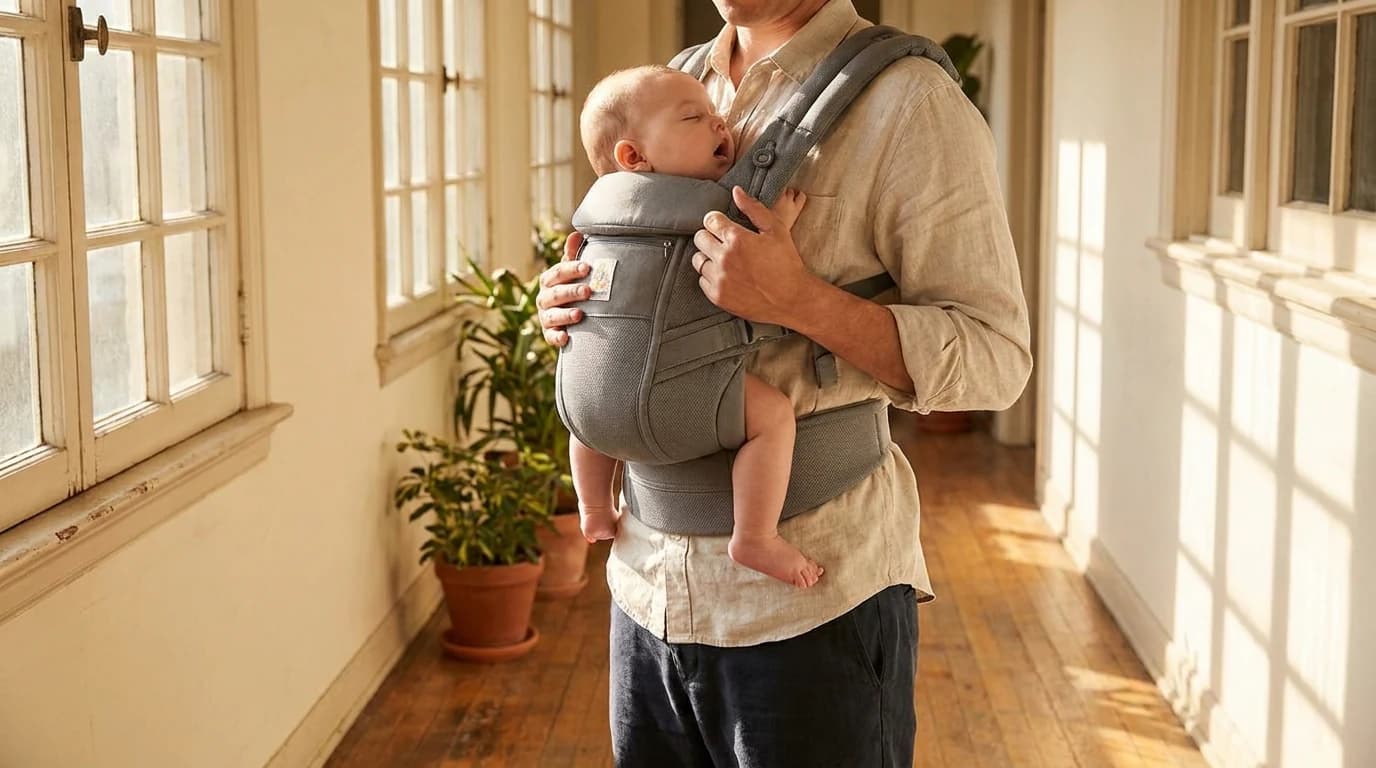
Buy on Amazon · $179 →The Ergobaby Omni 360 is our top pick because it does everything well. It works from newborn (7 lbs) through toddler (45 lbs) without an infant insert, offers four carrying positions including forward-facing, and distributes weight evenly across your hips and shoulders.
The crossable shoulder straps are a standout feature — they help smaller-framed parents get a better fit and prevent strap slippage. The lumbar support waistband makes a genuine difference on longer walks. At around $180, it's not cheap, but it's the only carrier many families will ever need.
Why we love it
- No infant insert needed — works from 7 lbs
- Four carry positions including forward-facing
- Crossable shoulder straps for better fit
- Excellent lumbar support for the wearer
Best for Newborns: Solly Baby Wrap
Buy on Amazon · $74 →For the pure newborn snuggle experience, nothing beats a stretchy wrap. The Solly Baby Wrap is our favorite because it's incredibly lightweight and breathable (made from Lenzing Modal, a eucalyptus-derived fabric), creating a cozy pocket for tiny babies without overheating either of you.
Skin-to-skin contact facilitated by babywearing has been shown to regulate infant heart rate, body temperature, and breathing. A 2016 Cochrane systematic review found that kangaroo-style carrying (similar to wrap babywearing) reduced neonatal mortality in low-birth-weight infants and improved breastfeeding outcomes.
Set expectations on the learning curve: plan to watch the tutorial video three or four times and practise before baby arrives. Once the technique clicks, babies melt into it and often fall asleep within minutes.
A wrap works best from birth through about 15 lbs, after which most parents transition to a structured carrier.
When a wrap beats a buckle
Reach for a wrap when:
- The baby is brand new and you want maximum closeness
- You're mostly at home or on short walks
- You have time to learn the tie before you need it
Reach for a structured carrier instead when:
- You need to get in and out quickly, repeatedly
- Two caregivers of different sizes will share it
- The baby is heavier and you want the weight on your hips
Best Structured Carrier for Value: BabyBjörn Free
Buy on Amazon · $109 →BabyBjörn redesigned their classic carrier and the result is impressive. The Free offers a 3D mesh fabric that's incredibly breathable, works from newborn without an insert, and has an intuitive design that's easier to figure out than almost any other structured carrier. The buckles click satisfyingly and the adjustments are straightforward.
What you give up for the lower price
At around $100, it's significantly cheaper than the Ergobaby while still offering excellent quality and comfort. The main trade-off is that it only has front-carry positions (no back carry), and it tops out at 33 lbs instead of 45 lbs. For many families, especially those who primarily front-carry, that's a perfectly acceptable compromise.
Best Ring Sling: Wildbird
Buy on Amazon · $59.99 →Ring slings shine for quick up-and-down carries — popping into the grocery store, soothing a fussy baby, or carrying on your hip while cooking. Wildbird slings are made from beautiful linen-blend fabric that's supportive without being stiff. They come in gorgeous colors and soften beautifully with washing.
The trick with ring slings is getting the right size and learning the threading technique. Wildbird's website has excellent sizing guides and tutorials. At around $70, they're an affordable addition to your carrier collection. Most babywearing parents end up owning both a structured carrier and a ring sling for different situations.
Best for Hiking: Osprey Poco Plus
Once your baby has solid head and neck control (around six months), a framed hiking carrier opens up trail adventures. The Osprey Poco Plus brings Osprey's legendary pack expertise to baby carrying. The suspension system is genuinely comfortable for long hikes, the sunshade is integrated, and the storage compartment is large enough for diapers, snacks, and layers.
Head and neck control comes first, always
The AAP recommends that framed backpack carriers be used only for infants who have full head and neck control, typically around 6 months of age. The CPSC standard for frame child carriers (16 CFR 1230) requires stability testing, leg-opening safety, and restraint system integrity to prevent falls.
It's heavy (7.2 lbs empty) and expensive (around $350), but if you're an outdoor family, it's an incredible piece of gear. Your baby gets a high vantage point and fresh air, and you get to keep hiking.
How do you babywear safely?
The T.I.C.K.S. guidelines (Tight, In view, Close enough to kiss, Keep chin off chest, Supported back) are endorsed by babywearing safety organizations worldwide. The AAP notes that airway occlusion is the primary risk in babywearing and recommends that caregivers always ensure the infant's face is visible and the chin is not flexed to the chest, which can restrict breathing.
The three checks, every single time
Run these before you take a step:
- Visible and kissable. Your baby's face should always be visible to you and close enough to kiss the top of their head.
- Chin off chest. Ensure baby's chin isn't pressed to their chest, which can restrict their airway. You should be able to fit a finger between their chin and chest.
- Supported back. Baby's back should be supported in a natural curved position, not ramrod straight.
The trap: a carrier that feels comfortable for you can still be wrong for the baby. Check the airway first and your own shoulders second.
So which baby carrier should you buy?
For most families, the Ergobaby Omni 360 is the best all-around carrier. It works from birth through toddlerhood and handles all carrying positions beautifully. Newborn parents should also consider a Solly wrap for those early snuggly weeks. Browse all our carrier reviews on the baby carriers page.
Related Reading
Add it to a registry instead
If baby hasn’t arrived yet, this is a classic registry item — worth adding rather than buying outright. Starting an Amazon Baby Registry is free, and you only pay for whatever your shower didn’t cover.
- Free Welcome Box of samples (Prime members, ~$35 value)
- Up to 15% completion discount on what's left when baby arrives
- Add items from any store — and free returns through baby's first year
Research Sources
Hilly Shore Inc.
Editorial teamIndependent product research team behind Cribworthy. Reviews are grounded in published AAP / CDC / NHTSA / CPSC pediatric guidance, JPMA / GREENGUARD GOLD / OEKO-TEX certification verification, and aggregated buyer sentiment.
115 products reviewed · 20 categories covered · cites AAP, CDC, NHTSA, CPSC, FDA, ACOG.
Safety claims are verified against published pediatric guidelines and CPSC databases. See our editorial standards.