What Size Diapers to Stock Up on Before Baby Arrives: A Practical Guide
Quick Answer
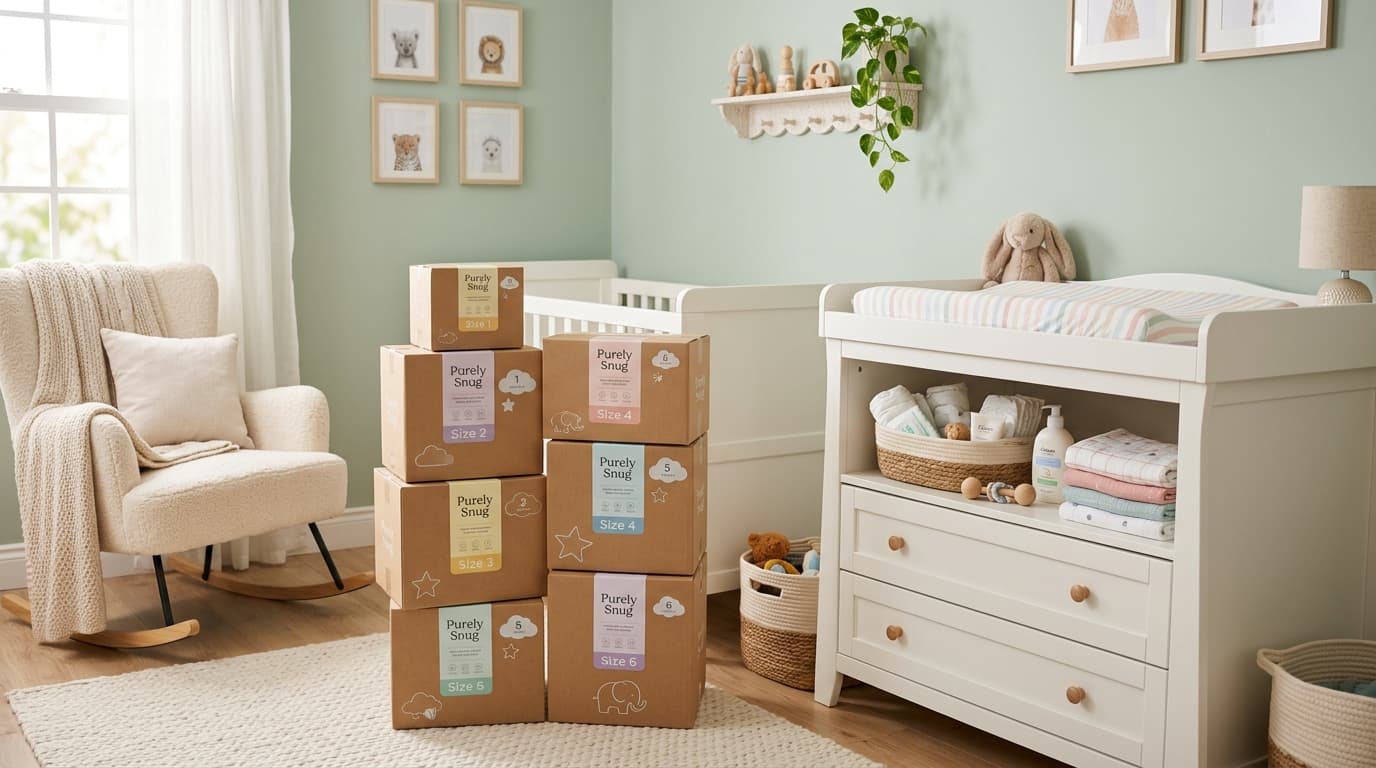
Buy 2 to 3 packs of Newborn, 4 to 5 packs of Size 1, and 2 to 3 packs of Size 2 — about 600 to 800 diapers in total. Size 1 deserves the biggest share because babies stay in it two to three months, while Newborn often lasts two to four weeks. If ultrasounds suggest a big baby, drop to a single Newborn pack.
Our Verdict
Weight the stockpile toward Size 1 and keep every receipt. Newborn is what people over-buy and then donate, and no bulk deal is worth losing exchange rights — leave packs sealed until you open the one in use. Mixing brands is a feature, not a compromise: fit varies with leg shape, and you want to learn which brand suits your baby before committing a case.
Key Takeaways
- ✓Weight the stockpile toward Size 1 and keep every receipt. Newborn is what people over-buy and then donate, and no bulk deal is worth losing exchange rights — leave packs sealed until you open the one in use. Mixing brands is a feature, not a compromise: fit varies with leg shape, and you want to learn which brand suits your baby before committing a case.
- ✓Stock up on 2-3 packs of Newborn size, 4-5 packs of Size 1, and 2-3 packs of Size 2 before baby arrives — roughly 600 to 800 diapers total. Size 1 is where most of your stockpile investment should ...
- ✓*As an Amazon affiliate, Cribworthy may earn from qualifying purchases. Our recommendations are based on independent research and real parent feedback. Prices and availability are subject to change.*
💬 Real Talk from Parents
You'll pack for every possible emergency the first month. By month six, you'll bring diapers and hope.
Diaper blowouts happen exclusively when you're wearing white. It's a law of physics.
A good diaper cream is worth its weight in gold during teething weeks.
The wipe warmer seemed silly until the first midnight cold-wipe screaming session.
Keep a mini diaper kit in every car. Just 3 diapers, wipes, and a change of clothes. Future you will be grateful.
Paraphrased community consensus — not a direct quote.
As an Amazon Associate I earn from qualifying purchases. Product prices and availability are subject to change.
What Size Diapers to Stock Up on Before Baby Arrives: A Practical Guide
Stock up on 2-3 packs of Newborn size, 4-5 packs of Size 1, and 2-3 packs of Size 2 before baby arrives — roughly 600 to 800 diapers total. Size 1 is where most of your stockpile investment should go, as babies typically spend 2 to 3 months in this size. According to the AAP, newborns use 10-12 diapers per day in the first weeks of life, and many babies outgrow Newborn size within 2 to 4 weeks. If your baby is measuring large on prenatal ultrasounds, buy only one Newborn pack and shift more toward Size 1.
How many diapers should you buy before baby arrives?
For most full-term babies (6-9 lbs at birth), here's what we recommend stocking before baby arrives:
According to the WHO growth standards, the average full-term newborn weighs between 6.5 and 8.8 pounds at birth and typically doubles their birth weight by 4-5 months. These growth curves mean most babies move through Newborn diapers quickly and spend the longest stretch in Size 1 (8-14 lbs) and Size 2 (12-18 lbs).
| Size | Weight Range | Packs to Buy | Why |
|---|---|---|---|
| Newborn (N) | Up to 10 lbs | 2-3 packs | Many babies outgrow this in 2-4 weeks |
| Size 1 | 8-14 lbs | 4-5 packs | The sweet spot — most usage happens here |
| Size 2 | 12-18 lbs | 2-3 packs | Baby will be in these for a while, but you'll have time to buy more |
Total before baby arrives: 8-11 packs. That's roughly 600-800 diapers, which sounds like a lot but covers approximately the first 2-3 months.
Why shouldn't you buy too many newborn diapers?
This is the most common mistake. Newborn diapers fit babies up to about 10 lbs, and the average baby reaches that weight by 4-6 weeks. Larger babies (8+ lbs at birth) may skip newborn size entirely and go straight to Size 1.
The CDC's growth chart data shows that the average baby reaches 10 pounds — the upper limit for most Newborn-size diapers — by approximately 4 to 6 weeks of age. Babies born above 8.5 pounds may fit better in Size 1 from birth, and the AAP recommends frequent diaper changes (every 2-3 hours or immediately after soiling) to prevent diaper rash.
You'll go through about 10-12 diapers per day in the newborn phase (yes, really), so a pack of 84 newborn diapers lasts about a week. Two to three packs covers most babies' time in this size. If your baby is measuring large on prenatal ultrasounds, buy just one newborn pack and more Size 1.
Why is Size 1 the best diaper size to stockpile?
Most babies spend 2-3 months in Size 1 diapers, using 8-10 per day. That's 500-900 diapers in this size alone. This is where your stockpile money is best invested.
Size 1 also has the widest overlap range (8-14 lbs), meaning it works for both smaller newborns and growing infants. Even if your baby is small and needs Newborn size first, those Size 1 packs will be waiting and ready.
How many Size 2 diapers should you buy in advance?
By the time baby hits Size 2 (around 3-4 months for average babies), you'll have a much better sense of your preferred diaper brand and your baby's body type. Diaper fit varies by brand — some babies do better in Pampers, others in Huggies, others in store brands. Buy 2-3 packs of Size 2 for the stockpile, then adjust based on what's working.
What is the smartest way to stock up on diapers before baby?
Buy on sale, not in bulk at full price
Diapers go on sale constantly. Amazon Subscribe & Save, Target Circle deals, and Costco/Sam's Club pricing can save 20-30% off retail. Sign up for deal alerts on your preferred brand.
Keep receipts and don't open until needed
Unopened packs with receipts can be returned or exchanged for different sizes at most retailers. This is your safety net if baby grows faster than expected.
Registry completion discounts are your friend
Most registry programs (Amazon, Target, BuyBuy Baby) offer a 15% completion discount. Register for diapers in multiple sizes and use the discount to stock up. See our baby registry guide for more strategies.
Mix brands in your stockpile
Don't buy 10 packs of the same brand before you know what works for your baby. Different brands fit different body types differently, and some babies react to specific brands. Buy 2-3 brands and see which one your baby does best in.
How many diapers does a baby use per day by age?
Here's a realistic breakdown of diaper usage over the first year:
- Months 0-1: 10-12 diapers/day (Newborn or Size 1)
- Months 1-3: 8-10 diapers/day (Size 1)
- Months 3-6: 8 diapers/day (Size 2 to 3)
- Months 6-12: 6-8 diapers/day (Size 3 to 4)
Over the first year, you'll use approximately 2,500-3,000 diapers. At an average cost of $0.20-0.30 per diaper, that's $500-900 in diapers alone. This is why sales and bulk buying matter.
Are cloth diapers a good alternative to disposables?
If you're considering cloth diapers, you'll still want a small stash of disposables for the first 2 weeks (meconium is brutal on cloth) and for outings, travel, and daycare (many daycares require disposables). A typical cloth diaper starter set costs $300-500 upfront but saves significantly over time.
A 2023 lifecycle analysis published in the Journal of Industrial Ecology found that cloth diapers produce 40-60% fewer carbon emissions than disposables over a child's diapering years, though the environmental benefit depends heavily on washing practices (water temperature, dryer use, and detergent type). The AAP takes no official position on cloth versus disposable diapers, noting that both are safe when changed promptly.
How many wipes and how much diaper cream do you need?
While you're stockpiling diapers, add these:
The AAP recommends using fragrance-free, alcohol-free wipes on newborn skin and applying a zinc oxide-based barrier cream at each change to prevent diaper rash. A 2021 study in Pediatric Dermatology found that prophylactic use of barrier cream reduced diaper dermatitis incidence by 38% compared to applying cream only after rash appeared.
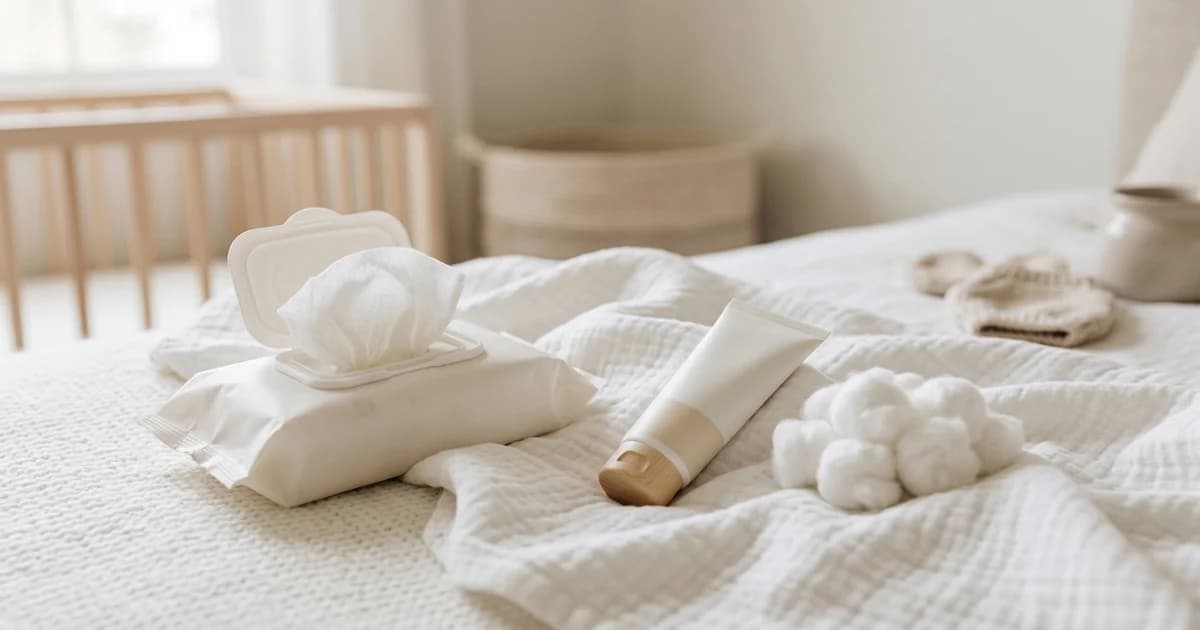
- Wipes: 4-6 large packs. Water-based, fragrance-free wipes are gentlest for newborn skin. Unlike diapers, wipes are one-size-fits-all and don't expire quickly.
- Diaper cream: 2-3 tubes of zinc oxide-based cream. Our diaper cream guide has specific product recommendations. You'll want one for the nursery, one for the diaper bag, and a spare.
What is the best diaper stockpile plan before baby arrives?
Stock 2-3 packs Newborn, 4-5 packs Size 1, and 2-3 packs Size 2 before baby arrives. Focus your spending on Size 1 (the longest-used size), buy on sale, keep receipts on unopened packs, and don't commit to a single brand until you see what fits your baby best.
This is one of those areas where a little preparation saves a lot of stress. You'll be glad you planned ahead when 3 AM hits and you're reaching for that fresh pack without having to run to the store.
Related Reading
- Newborn Essentials Checklist
- Best Diaper Creams of 2026
- How to Build Your Baby Registry
- Baby Gear on a Budget
As an Amazon affiliate, Cribworthy may earn from qualifying purchases. Our recommendations are based on independent research and real parent feedback. Prices and availability are subject to change.
Your next step
Stocking up before baby arrives? Get the big-ticket gear in place too.
Research Sources
Hilly Shore Inc.
Editorial teamIndependent product research team behind Cribworthy. Reviews are grounded in published AAP / CDC / NHTSA / CPSC pediatric guidance, JPMA / GREENGUARD GOLD / OEKO-TEX certification verification, and aggregated buyer sentiment.
115 products reviewed · 20 categories covered · cites AAP, CDC, NHTSA, CPSC, FDA, ACOG.
Safety claims are verified against published pediatric guidelines and CPSC databases. See our editorial standards.