When to Move Baby From Bassinet to Crib
Quick Answer
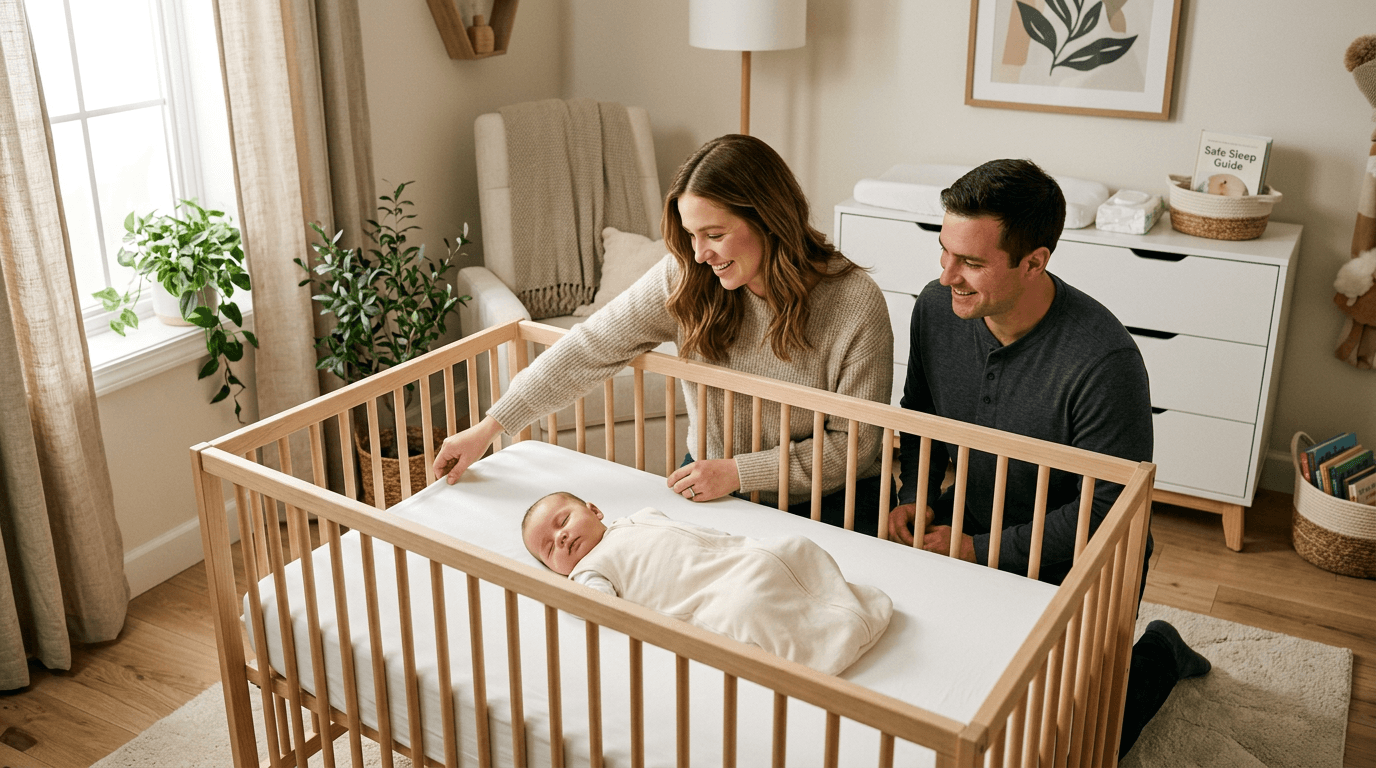
Move your baby from bassinet to crib when they reach the bassinet weight or mobility limit, start rolling, push up on hands and knees, or no longer fit comfortably. The crib should stay boring: firm flat mattress, fitted sheet only, baby on their back, no blankets, no pillows, no bumpers, and no toys.
Our Verdict
Move from bassinet to crib when the bassinet limit or your baby’s mobility makes the smaller sleep space less safe. Age is secondary. Keep the new setup firm, flat, empty, and on the back; use room-sharing if you can, but never keep an outgrown bassinet just to delay the crib.

As an Amazon Associate I earn from qualifying purchases. Product prices and availability are subject to change.
The bassinet-to-crib move is not really about age. It is about three limits arriving at once: your baby is getting bigger, more mobile, and more curious than the newborn sleep space was built to handle.
The safe answer is simple: move when your baby hits the bassinet's stated limit, starts rolling or pushing up, looks cramped, or sleeps better with more room. For many families that is around 3 to 5 months, but the manual and the milestone matter more than the calendar.
Quick answer
Move your baby from bassinet to crib when they reach the bassinet's weight or mobility limit, start rolling, push up on hands and knees, or no longer fit comfortably. Keep the sleep setup the same safe-sleep basics: on the back, firm flat mattress, fitted sheet only, no loose bedding, no bumpers, no toys, and ideally in your room until at least 6 months.
The transition triggers
| Trigger | What it means | Move now? |
|---|---|---|
| Weight limit reached | Bassinet is no longer rated for your baby | Yes |
| Rolling begins | Baby can change position unexpectedly | Yes |
| Pushing up on hands/knees | Baby may tip, climb, or shift forcefully | Yes |
| Cramped sleep | Head/feet press close to sides | Usually yes |
| Frequent wakeups from contact | More room may help | Consider it |
| Parent anxiety about distance | Room-share crib or mini crib can bridge | Not a safety trigger alone |
The manual beats averages. Some bassinets cap out early; some babies roll early. If either happens, the crib becomes the safer sleep space.
What stays the same after the move
The crib is not a chance to add coziness. AAP and CDC safe-sleep guidance stays consistent across bassinets, cribs, and portable play yards:
- Place baby on their back for every sleep.
- Use a firm, flat mattress with a fitted sheet.
- Keep blankets, pillows, stuffed toys, bumpers, and other soft items out.
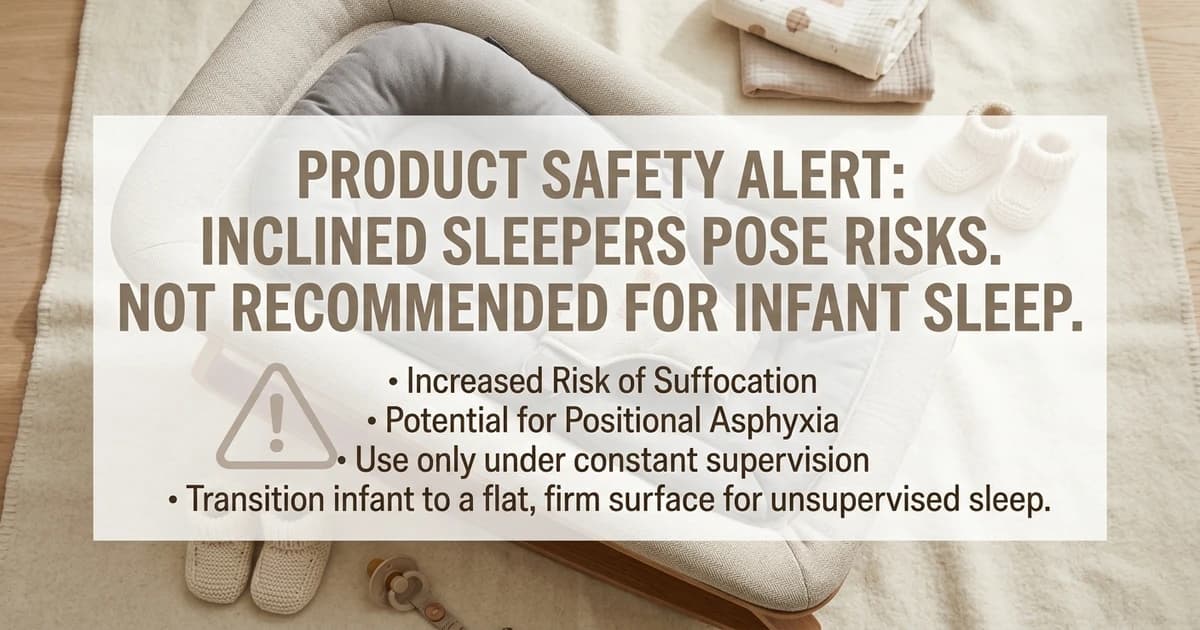
- Avoid inclined sleep surfaces and seated devices for sleep.
- Keep the sleep area in your room, ideally until at least 6 months.
That last point is why many families move from a bassinet to a crib in the parents' room first. The location can stay familiar while the sleep surface gets safer and roomier.
The 3-night crib transition plan
| Night | Goal | What to do |
|---|---|---|
| 1 | Familiarize | Put baby down in the crib for the first stretch only |
| 2 | Extend | Use the crib for bedtime and first wakeup return |
| 3 | Normalize | Use the crib for all night sleep if baby tolerates it |
Naps can go either way. Some babies learn the crib faster with daytime naps. Others nap terribly during transitions and do better when parents start at bedtime, when sleep pressure is higher. The safe setup matters more than the exact sequence.
If the crib is not in your room
If the full-size crib only fits in the nursery, you have three options:
| Constraint | Safer workaround |
|---|---|
| Full crib will not fit by your bed | Use a compliant mini crib or play yard in your room |
| Baby is already over bassinet limit | Move to the crib, then decide how to monitor |
| Parent needs baby closer for feeds | Put a safe sleep surface near the bed, not in the bed |
AAP's safe-sleep message is room-sharing without bed-sharing. If the bassinet is no longer safe, staying in it just to preserve room-sharing is the wrong trade. Use a room-sharing crib/play yard if possible; otherwise move to the safe crib and keep every other safe-sleep layer tight.
Do not use these as transition shortcuts
- Inclined sleepers or wedges. They are not safe sleepsafe sleepAAP guideline: baby sleeps Alone (no blankets, pillows, bumpers, or toys), on their Back, in a Crib or bassinet with a firm flat mattress. Room-sharing without bed-sharing is recommended for the first 6-12 months. surfaces.
- Pillows or rolled towels to make the crib feel smaller. Soft items do not belong in the sleep space.
- Weighted sleep products. Skip anything that restricts movement or adds pressure.
- Loose blankets for comfort. Use a properly sized sleep sack instead.
- Monitor cords near the crib. Keep cords well out of reach and never inside the crib area.
If the baby seems unsettled, change the routine around the crib, not the crib itself: same bedtime phrase, same dark room, same white noise placement, same feed/burp timing.
What most parents get wrong
The common worry is that a crib feels too big for a little baby. Big is not the problem. Soft, inclined, crowded, or outgrown is the problem.
A bare crib can look stark compared with nursery photos, but that is the point. The safe version is boring: firm, flat, empty, fitted sheet, baby on back. If the bassinet is too small or your baby is mobile, the boring crib is the upgrade.
Sources
- American Academy of Pediatrics — Safe Sleep (back sleeping, own sleep space, firm flat mattress, no soft items)
- CDC — Providing Care for Babies to Sleep Safely (firm flat crib/bassinet/play yard, room-sharing ideally until at least 6 months)
- HealthyChildren.org — How to Keep Your Sleeping Baby Safe (AAP policy explained for parents)
Research Sources
Hilly Shore Labs
Editorial teamIndependent product research team behind Cribworthy. Reviews are grounded in published AAP / CDC / NHTSA / CPSC pediatric guidance, JPMA / GREENGUARD GOLD / OEKO-TEX certification verification, and aggregated buyer sentiment.
115 products reviewed · 20 categories covered · cites AAP, CDC, NHTSA, CPSC, FDA, ACOG.
Safety claims are verified against published pediatric guidelines and CPSC databases. See our editorial standards.