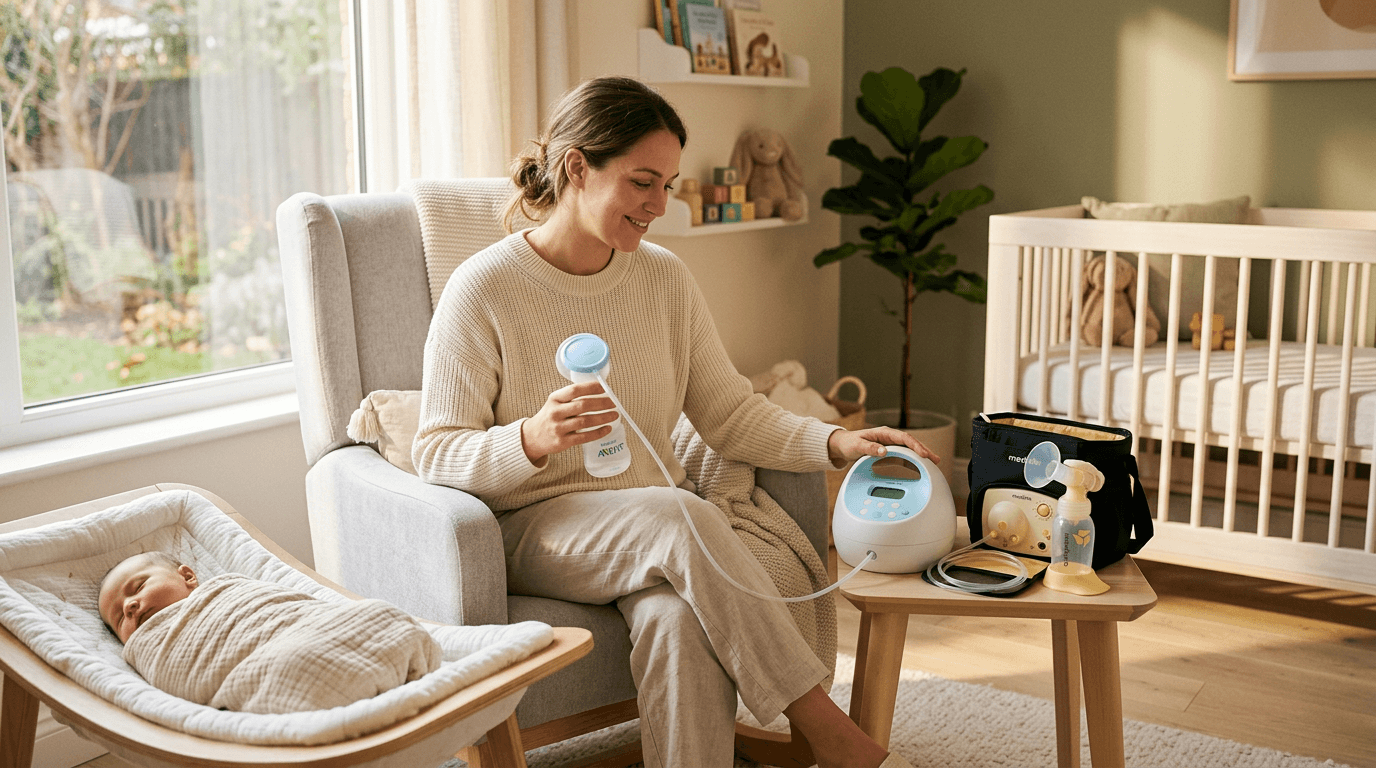
Best Baby Bottles 2026: Dr. Brown's vs Comotomo vs Spectra
Our #1 Pick
Dr. Brown's Options+ Anti-Colic, about $20 for a starter set, is the best baby bottle for most families: the internal vent measurably reduces air intake, which helps gassy and colicky babies settle. The trade-off is extra parts to wash. Comotomo at roughly $23 is the alternative for breastfed babies who refuse firm plastic nipples.
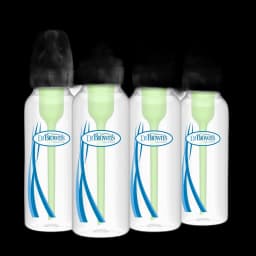
Best Bottle Overall
- Clinically proven to reduce colic
- Internal vent system works
- Removable vent for easy cleaning
Price checked Sep 12, 2026
Also Great
Premium Pick: Comotomo ($14) — Best Premium Bottle
Best Breast Pump: Spectra S1 Plus ($200) — Best Breast Pump
Our Verdict
Buy two or three bottles rather than a case until you learn what your baby accepts, since preferences are unpredictable and half-used sets do not go back. Pull the vent insert out once colic passes and washing gets simpler. A $13 Haakaa collects letdown you would otherwise lose. Bottle warmers are a nicety.
Pick by situation
| If your situation is… | Pick | Why |
|---|---|---|
| Reflux / colic / persistent gas concerns | Dr. Brown's Options+ Anti-Colic | Internal vent system reduces air intake; the bottle pediatricians most often recommend for gassy or reflux babies. Slow-flow nipple included. |
| Mixing breast + bottle, want a breast-shaped silicone | Comotomo | Squeezable silicone bottle with wide breast-mimicking nipple; the standard bridging bottle for combo-feeding moms. |
| Need a clinical-grade double electric pump for back-to-work | Spectra S1 Plus | Hospital-grade closed-system pump; rechargeable, quiet. The pump lactation consultants most often recommend for exclusive pumpers. |
| Want wearable cordless pumping during work calls | Elvie Stride | Wearable, tube-free, app-controlled. Trade: lower suction than tabletop. Right pick when discretion + mobility matter more than session efficiency. |
| Cheap manual catch-up pump for letdown sessions | Haakaa Silicone Breast Pump | Suction-cup manual pump; catches letdown on the off-breast during nursing. Cheapest milk-stash builder for nursing moms. |
Each pick is one of the products ranked below — this row is for shortcutting based on your situation, not a separate recommendation.
#1Dr. Brown's Options+ Anti-Colic 4.7 | #2Comotomo Baby Bottle 8oz Double Pack 4.7 | #3Spectra S1 Plus 4.6 | #4Elvie Stride 4.3 | #5Haakaa Silicone Breast Pump 4.6 | #6Dr. Brown's Deluxe Bottle Warmer 4.3 | |
|---|---|---|---|---|---|---|
| Verdict | Best Bottle Overall | Best Premium Bottle | Best Breast Pump | Best Wearable Pump | Best Manual Pump/Milk Catcher | Best Bottle Warmer |
| Price | ~$20.37Buy on Amazon | ~$180.79Buy on Amazon | ~$149.99Buy on Amazon | ~$12.94Buy on Amazon | ~$42.97Buy on Amazon | |
| Type | Feeding Bottles | Feeding Bottles | Feeding Bottles | Feeding Bottles | Feeding Bottles | Feeding Bottles |
| Buyer sentiment | — | — | Performance Battery Life Noise Level Portability Buyers praise performance, battery life, noise level and portability. Mixed feedback on reliability and suction. Based on 3,507 user mentions | Suction Value for money Leakage Mixed feedback on reliability and effectiveness. Some flag suction and value for money. Based on 1,026 user mentions | Ease Of Use Effectiveness Quality Ease Of Cleaning Pain Buyers praise ease of use, effectiveness, quality and ease of cleaning. Mixed feedback on suction. Some flag pain. Based on 8,288 user mentions | Heating Performance Mixed feedback on reliability. Some flag heating performance. Based on 165 user mentions |
| Pros |
|
|
|
|
|
|
| Cons |
|
|
|
|
|
|
* Prices are approximate. Check the linked retailer for current pricing and availability.
Key Takeaways
- ✓Buy two or three bottles rather than a case until you learn what your baby accepts, since preferences are unpredictable and half-used sets do not go back. Pull the vent insert out once colic passes and washing gets simpler. A $13 Haakaa collects letdown you would otherwise lose. Bottle warmers are a nicety.
- ✓The best baby bottle for most families in 2026 is the Dr. Brown's Options+ Anti-Colic. Its patented internal vent system significantly reduces air intake, which helps prevent colic, gas, and spit-u...
- ✓Dr. Brown's has been the pediatrician-recommended standard for years, and the Options+ lives up to the reputation. The internal vent system genuinely reduces colic, spit-up, and gas by creating a p...
- ✓If you're going between breast and bottle, the Comotomo is designed to mimic the breast experience as closely as possible. At about $14 per bottle, they're pricier than Dr. Brown's, but many breast...
- ✓The Spectra S1 Plus remains the gold standard for double electric breast pumps. The closed system is hygienic (no milk can enter the tubing), the settings are highly customizable with both massage ...
💬 Real Talk from Parents
Breast pump parts have more pieces than IKEA furniture.
You'll develop strong opinions about bottle nipple flow rates, and that's okay.
The 'best' bottle is whichever one your baby actually accepts.
Sterilizing bottles at 2 AM is a rite of passage nobody tells you about.
Try at least 3 different bottles before deciding your baby 'won't take a bottle.' Each one has a different flow and shape. Babies are picky.
Paraphrased community consensus — not a direct quote.
Switching formula brands frequently is harmful.
Most standard formulas have very similar nutritional profiles (they're all regulated by the FDA). Switching brands is fine — the exception is specialty formulas for allergies or medical conditions, which should be discussed with your pediatrician.
You should sterilize bottles before every single use.
The CDC recommends sterilizing bottles once when new, then again only if your baby is premature, under 2 months, or immunocompromised. For healthy babies over 3 months, hot soapy water or a dishwasher is sufficient.
As an Amazon Associate I earn from qualifying purchases. Product prices and availability are subject to change.
Best Baby Bottles and Feeding Gear of 2026
The best baby bottle for most families in 2026 is the Dr. Brown's Options+ Anti-Colic. Its patented internal vent system significantly reduces air intake, which helps prevent colic, gas, and spit-up — and it comes at a fraction of the price of premium competitors. For a breast-like feel that eases the transition between nursing and bottle feeding, the Comotomo silicone bottle is our top premium pick.
What the guidance actually says: the AAP recommends exclusive breastfeeding for approximately 6 months, with continued breastfeeding for 2 years or beyond as mutually desired. Whether you breastfeed, formula feed, or do a combination, the WHO emphasizes that the feeding method matters less than ensuring adequate nutrition and a responsive feeding relationship.
Best Bottle Overall: Dr. Brown's Options+ Anti-Colic
Buy on Amazon · $20.37 →Dr. Brown's has been the pediatrician-recommended standard for years, and the Options+ lives up to the reputation. The internal vent system genuinely reduces colic, spit-up, and gas by creating a positive-pressure flow similar to breastfeeding. The "options" part means you can remove the vent system when your baby is older and no longer needs it, making cleaning easier.
A 2019 clinical study published in the Journal of Pediatric Gastroenterology and Nutrition found that anti-colic venting systems reduced measurable air ingestion by up to 30% during feeding, which correlated with reduced symptoms of gas and fussiness in healthy term infants.
They come in both narrow and wide-neck versions, with various nipple flow rates. The plastic is BPA-free, and they're affordable at about $6 per bottle. The extra parts (the vent insert and reservoir) do add cleanup time, but if your baby has gas or reflux issues, the difference is worth it.
Why parents swear by them
- Internal vent system truly reduces gas and colic symptoms
- Available in multiple sizes and nipple flows
- BPA-free and dishwasher safe
- Removable vent for easier cleaning as baby grows
Best Premium Bottle: Comotomo
If you're going between breast and bottle, the Comotomo is designed to mimic the breast experience as closely as possible. At about $14 per bottle, they're pricier than Dr. Brown's, but many breastfeeding parents find the Comotomo reduces bottle refusal better than any other brand.
Why parents pick it
- Wide, soft silicone body feels natural in baby's mouth and can be squeezed, which some babies prefer
- Dual anti-colic vents prevent air intake without any extra internal parts to wash
- Simplified design means fewer parts
- Wide mouth makes them easy to fill and clean
Best Breast Pump: Spectra S1 Plus
Buy on Amazon · $180.79 →The Spectra S1 Plus remains the gold standard for double electric breast pumps. The closed system is hygienic (no milk can enter the tubing), the settings are highly customizable with both massage and expression modes, and the built-in rechargeable battery gives you portability without being tethered to an outlet.
Check your insurance before you buy: under the Affordable Care Act, most health insurance plans are required to cover the cost of a breast pump. The Office on Women's Health recommends contacting your insurance provider before purchasing, as many plans will provide a hospital-grade or personal pump at no out-of-pocket cost.
Most insurance plans cover a Spectra (check with your provider), making it essentially free for many parents. At retail around $200, it's a solid value regardless. The suction is strong but comfortable, and the backflow protector keeps everything sanitary. For pumping parents, this is the workhorse.
Best Wearable Pump: Elvie Stride
Buy on Amazon · $149.99 →Wearable pumps changed the game for pumping parents, and the Elvie Stride is our pick for combining portability with actual performance. Unlike some wearable options that sacrifice suction for convenience, the Stride maintains strong output. It's not as discreet as the original Elvie (there's a small hub that clips to your waistband), but the pumping performance is significantly better.
At around $170, it's more affordable than the original Elvie Pump while delivering better milk output. It's worth noting that wearable pumps generally don't fully replace a traditional pump for exclusive pumpers — they're better suited for on-the-go sessions and working parents who need flexibility.
Best Manual Pump/Milk Catcher: Haakaa Silicone Breast Pump
Buy on Amazon · $12.94 →The Haakaa isn't technically a pump — it's a silicone milk catcher that uses gentle suction to collect letdown from the opposite breast while you nurse. It's brilliantly simple:
- Suction it on.
- Nurse from the other side.
- Collect 1-4 oz of milk that would otherwise soak into a nursing pad.
At under $15, the Haakaa might be the highest-value baby product in existence. Many parents build a meaningful freezer stash using nothing but a Haakaa. It's also great for hand expression and gentle pumping during engorgement. If you're nursing at all, just buy one. You'll thank us.
Best Bottle Warmer: Dr. Brown's Deluxe Bottle Warmer
Buy on Amazon · $42.97 →You don't strictly need a bottle warmer, but at 3 AM, it's a lot easier than running hot water over a bottle. The Dr. Brown's Deluxe warms breast milk and formula to a safe, even temperature without hot spots. It's also useful for warming baby food jars later on.
It works with most bottle brands and sizes, and the automatic shutoff prevents overheating. At around $40, it's an affordable convenience that pays for itself in middle-of-the-night sanity.
What bottle feeding tips should new parents know?
Start slow with bottle introduction
If breastfeeding, many lactation consultants suggest waiting until nursing is well-established (around 3-4 weeks) before introducing a bottle. Have someone other than the nursing parent offer the first bottles.
The AAP suggests introducing a bottle between 3-4 weeks of age for breastfed infants.
- Introducing too early: can cause nipple confusion
- Waiting too long, past 6-8 weeks: can lead to bottle refusal
A 2018 study in the journal Breastfeeding Medicine found that the 3-4 week window had the highest acceptance rate for bottle introduction without negatively impacting breastfeeding.
Paced bottle feeding
Hold the bottle more horizontally and let baby control the pace: this mimics breastfeeding and prevents overfeeding. It's especially important for combo-feeding families.
The AAP recommends paced bottle feedingpaced bottle feedingHolding the bottle nearly horizontal so baby has to actively suck, mimicking breastfeeding rhythm. Prevents over-feeding and the breast-to-bottle preference flip. for all bottle-fed infants, particularly those who are also breastfed. Paced feeding mimics the slower flow of breastfeeding, reduces overfeeding risk, and helps babies recognize fullness cues. A 2016 study in Pediatrics found that infants who were fed using responsive, paced techniques were less likely to have rapid weight gain in the first 6 months.
Don't stockpile bottles before baby arrives
Every baby has preferences. Buy a few different brands and see which one your baby takes to before buying a full set.
So which baby bottle should you buy?
- All-around: Dr. Brown's Options+ bottles, for their proven anti-colic effectiveness and value
- For pumping: the Spectra S1 Plus is the standard-bearer
- For anyone nursing at all: a Haakaa
Check out the full feeding and bottles category for more detailed reviews. As an Amazon affiliate, we may earn from qualifying purchases made through our links.
Related Reading
Research Sources
Hilly Shore Inc.
Editorial teamIndependent product research team behind Cribworthy. Reviews are grounded in published AAP / CDC / NHTSA / CPSC pediatric guidance, JPMA / GREENGUARD GOLD / OEKO-TEX certification verification, and aggregated buyer sentiment.
115 products reviewed · 20 categories covered · cites AAP, CDC, NHTSA, CPSC, FDA, ACOG.
Safety claims are verified against published pediatric guidelines and CPSC databases. See our editorial standards.