Best Baby Swaddles and Sleep Sacks: Safe Sleep Starts Here
Our #1 Pick
Match the product to the stage, not the price. A snug newborn swaddle such as the Happiest Baby SNOO Sack works until your infant shows any attempt to roll, usually between two and four months. After that, switch to a wearable blanket with a TOG rating suited to your room temperature. Weighted options are not recommended, and loose blankets stay out of the crib entirely.
Best Newborn Swaddle
- Quality
- Functionality
- Appearance
Also Great
Best Value Swaddle: Love to Dream Swaddle Up Original ($25) — Best Value Swaddle
Best Transitional: Merlin's Magic Sleepsuit ($40) — Best Transitional
Our Verdict
The Love to Dream Swaddle Up is the best swaddle for most newborns, while the Kyte Baby Sleep Bag is the top sleep sack for older babies.
#1Happiest Baby SNOO Sack 4.5 | #2Love to Dream Swaddle Up Original 4.6 | #3Baby Merlin's Magic Sleepsuit Microfleece 4.6 | #4Kyte Baby Sleep Bag 4.7 | #5HALO SleepSack 4.6 | |
|---|---|---|---|---|---|
| Verdict | Best Newborn Swaddle | Best Value Swaddle | Best Transitional | Best Sleep Sack | Best Budget Sleep Sack |
| Price | ~$34.95Buy on Amazon | ~$46.94Buy on Amazon | ~$52.99Buy on Amazon | ~$34.95Buy on Amazon | |
| Type | Baby Swaddles Sleep Sacks | Baby Swaddles Sleep Sacks | Baby Swaddles Sleep Sacks | Baby Swaddles Sleep Sacks | Baby Swaddles Sleep Sacks |
| Buyer sentiment | Quality Functionality Appearance Sleep Quality Velcro Buyers praise quality, functionality, appearance and sleep quality. Mixed feedback on fit. Some flag velcro. Based on 257 user mentions | Sleep Quality Quality Comfort Softness Buyers praise sleep quality, quality, comfort and softness. Mixed feedback on fit and effectiveness. Based on 6,034 user mentions | Sleep Quality Appearance Comfort Buyers praise sleep quality, appearance and comfort. Mixed feedback on effectiveness and warmth. Based on 520 user mentions | Softness Quality Sleep Quality Comfort Buyers praise softness, quality, sleep quality and comfort. Mixed feedback on zipper quality and durability. Based on 254 user mentions | Quality Sleep Quality Ease Of Use Comfort Velcro Buyers praise quality, sleep quality, ease of use and comfort. Mixed feedback on fit and zipper quality. Some flag velcro. Based on 4,990 user mentions |
| Pros |
|
|
|
|
|
| Cons |
|
|
|
|
|
* Prices are approximate. Check the linked retailer for current pricing and availability.
Key Takeaways
- ✓The Love to Dream Swaddle Up is the best swaddle for most newborns, while the Kyte Baby Sleep Bag is the top sleep sack for older babies.
- ✓The Happiest Baby SNOO Sack is the best newborn swaddle for its secure design and Velcro wings that prevent unraveling. For sleep sacks (6 months and up), the Kyte Baby Sleep Bag offers the best co...
- ✓How to Transition from Swaddle to Sleep Sack
💬 Real Talk from Parents
Every baby sleep book contradicts the last one you read. That's normal.
The bassinet-to-crib transition feels scarier for you than for the baby.
You'll google 'baby sleep regression' at least once a month for the first year.
The swaddle is magic until the day it isn't, and that day comes without warning.
We tried every sleep method. What actually worked? Blackout curtains, white noise, and a consistent bedtime routine. The boring stuff.
Paraphrased community consensus — not a direct quote.
Babies should sleep in complete silence.
The womb is roughly 80-90 decibels — about as loud as a vacuum cleaner. White noise at 60-65 dB actually helps babies sleep by mimicking the familiar uterine environment.
Sleep training damages your baby's attachment.
Multiple peer-reviewed studies (including a 2012 Pediatrics study following children for 5 years) found zero difference in emotional health, behavior, or parent-child attachment between sleep-trained and non-sleep-trained children.
As an Amazon Associate I earn from qualifying purchases. Product prices and availability are subject to change.
Best Baby Swaddles and Sleep Sacks: safe sleep practices Starts Here
The Happiest Baby SNOO Sack is the best newborn swaddle for its secure design and Velcro wings that prevent unraveling. For sleep sacks (6 months and up), the Kyte Baby Sleep Bag offers the best combination of softness, breathability, and TOGTOGA wearable-blanket warmth rating. 0.5 TOG is lightweight (summer/warm rooms), 1.0 TOG is all-season, 2.5+ TOG is for cold rooms. Match to the room temperature, not the season outside.-rated temperature regulation. On a budget, the HALO SleepSack is a reliable choice endorsed by safe sleepsafe sleepAAP guideline: baby sleeps Alone (no blankets, pillows, bumpers, or toys), on their Back, in a Crib or bassinet with a firm flat mattress. Room-sharing without bed-sharing is recommended for the first 6-12 months. organizations.
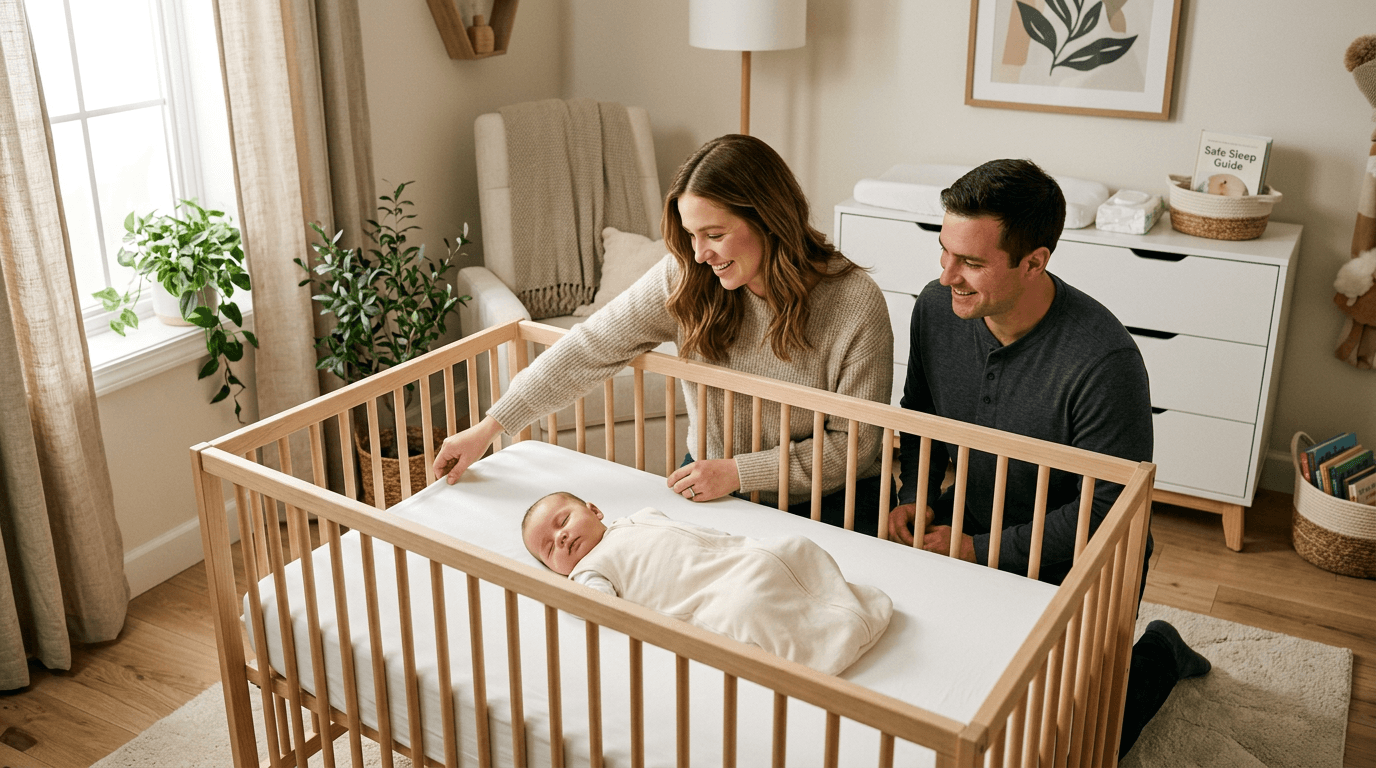
The AAP's 2022 updated safe sleep guidelines recommend that infants sleep on their backs on a firm, flat surface with no loose bedding. Wearable blankets (sleep sacks) are specifically endorsed as a safe alternative to loose blankets. The AAP also advises discontinuing swaddling as soon as an infant shows any signs of attempting to roll, which typically occurs between 2 and 4 months of age.
What are the different stages of swaddles and sleep sacks?
Newborn swaddles (0-3 months)
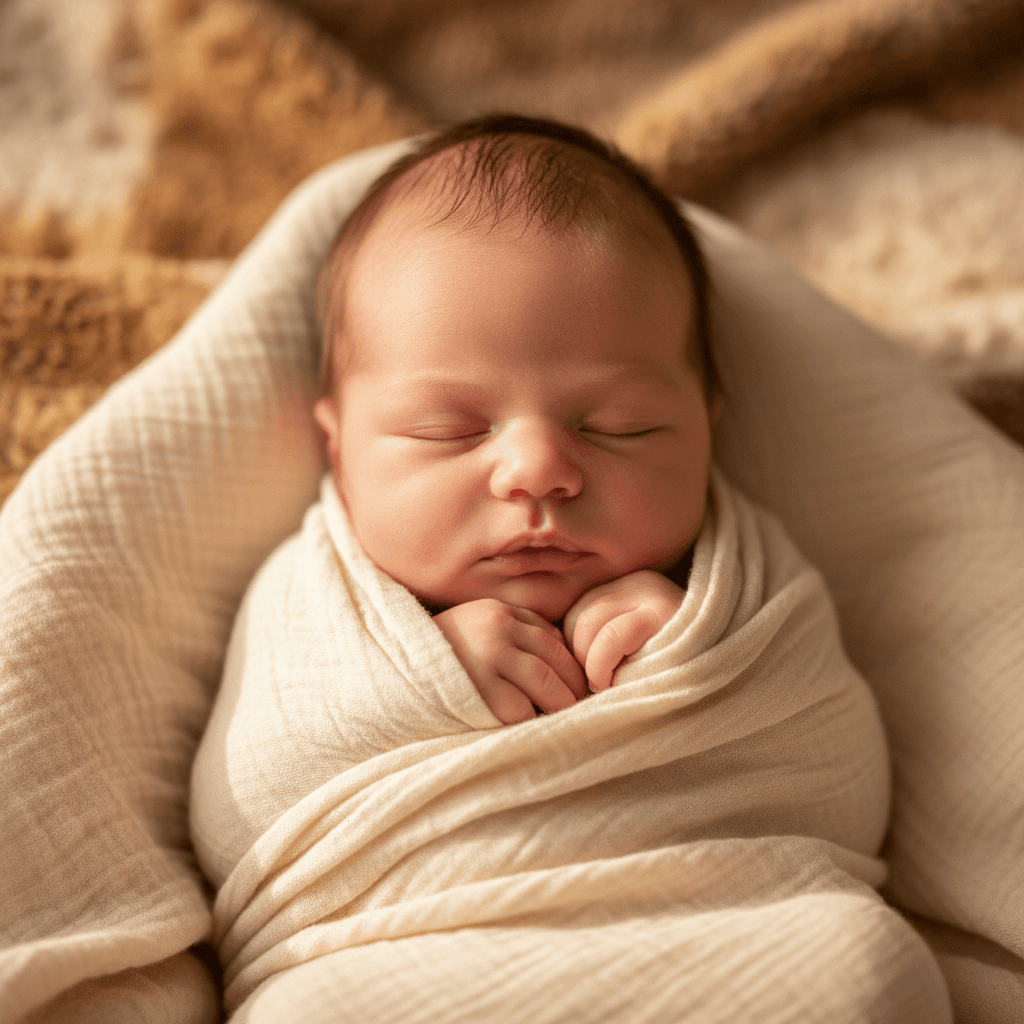
Traditional swaddles restrict arm movement, mimicking the snugness of the womb. Use until baby shows signs of rolling.
A 2016 meta-analysis published in Pediatrics examined the relationship between swaddling and SIDSSIDSSudden Infant Death Syndrome: unexplained death of an otherwise healthy infant under 1, usually during sleep. The AAP's ABCs of safe sleep (Alone, on Back, in a Crib) cut the risk by more than half. risk, finding that swaddled infants placed on their backs had no increased risk, but swaddled infants placed on their sides or stomachs had significantly elevated risk. This underscores the AAP's recommendation to always place swaddled infants supine.
Transitional swaddles (3-6 months)
These have removable arm wings or allow arms-out sleeping. They bridge the gap between full swaddle and sleep sack.
Sleep sacks (6 months+)
Wearable blankets that replace loose bedding. Arms are always free. Safe to use through toddlerhood and beyond.
TOG ratings
TOG measures thermal resistance. 0.5 TOG for warm rooms (75°F+), 1.0 TOG for moderate rooms (68-74°F), 2.5 TOG for cool rooms (61-67°F). Getting the right TOG prevents overheating — a SIDS risk factor.
The AAP does not issue specific TOG guidelines, but safe sleep experts generally recommend 0.5-1.0 TOG for rooms at 68-72°F (the AAP's recommended nursery temperature range). A 2021 study in BMJ Open found that overheating is an independent risk factor for SIDS, making proper TOG selection an important safety consideration.
Which newborn swaddle is the best?
Even if you don't have a SNOO bassinet, the SNOO Sack is an exceptional swaddle. The inner arm bands secure baby's arms in the natural "arms up" position, and the organic cotton is buttery soft. The double zipper makes diaper changes possible without a full unwrap.
The mesh ventilation panel prevents overheating — a genuine safety advantage. Available in multiple TOG weights. At around $35 per sack, it's pricier than basic swaddles but the quality justifies it. It clips into the SNOO if you have one but works perfectly as a standalone swaddle.
Pros
- Organic cotton construction
- Mesh ventilation panel prevents overheating
- Double zipper for easy diaper changes
- Works with or without SNOO bassinet
Cons
- Premium price at ~$35 each
- Sizing runs slightly small
- Need multiple for laundry rotation
What is the best value swaddle for newborns?
The Love to Dream takes a different approach — instead of pinning arms down, it holds them up in a natural "arms up" position. Many babies prefer this, as it allows self-soothing through hand-to-face contact while still preventing the startle reflex.
The dual zipper opens from the bottom for diaper changes, and the stretchy fabric accommodates a range of sizes. At around $25, it's affordable enough to buy several for rotation. The Love to Dream also makes a transitional version with removable arm wings.
Pros
- Natural "arms up" position allows self-soothing
- Dual zipper for diaper changes
- Stretchy, comfortable fabric
- Transitional version available
- ~$25 price point
Cons
- Some babies prefer arms-down swaddling
- Runs warm — may need lighter clothing underneath
- Limited pattern selection
Which transitional swaddle is best for the rolling stage?
When it's time to stop swaddling (usually when baby starts rolling around 3-4 months), the transition can be rough. The Merlin's Magic Sleepsuit bridges this gap with its padded design that muffles the startle reflex without restricting arm movement.
The AAP advises that the transition out of swaddling should occur at the first sign of rolling, regardless of age. A 2023 study in Sleep Medicine Reviews found that gradual transitions (such as one arm out, then both arms out) resulted in less sleep disruption than abrupt swaddle cessation in 68% of infants studied.
The puffiness looks unusual, but parents swear by the results. Many report that their babies sleep just as well in the Merlin as they did in a swaddle. It's a temporary solution — used for roughly 3-8 months — but those months of preserved sleep are worth the investment at around $40.
Pros
- Dramatically eases the swaddle transition
- Muffles startle reflex without restricting arms
- Parents report immediate improvement in sleep
- Fits 3-6 month age range
Cons
- Bulky appearance takes getting used to
- Not for use once baby can roll in it
- Limited to a few months of use
- Only available in cotton (can be warm)
Which sleep sack is the best overall?
Once baby is past the swaddling stage, the Kyte Baby Sleep Bag is our favorite wearable blanket. Made from bamboo rayon, it's incredibly soft and naturally temperature-regulating — warm in cool rooms, cool in warm rooms. Available in 1.0 TOG and 2.5 TOG weights.
The bamboo fabric has a silky quality that babies love, and it's hypoallergenic and moisture-wicking. The inverted zipper opens from the bottom for diaper changes. Available in beautiful muted colors. At around $40, it's premium-priced but the quality is evident from the first touch.
Pros
- Bamboo rayon is naturally temperature-regulating
- Incredibly soft, silky fabric
- Hypoallergenic and moisture-wicking
- Available in 1.0 and 2.5 TOG
- Beautiful color options
Cons
- Premium price at ~$40 each
- Bamboo rayon requires gentle washing
- Popular sizes/colors sell out quickly
What is the best budget sleep sack?
The HALO SleepSack is the sleep sack that hospitals use, and it remains an excellent choice. Available in cotton, fleece, and micro-fleece for different temperatures. The inverted zipper is intuitive, and sizing runs from newborn through age 5.
At $15-25 depending on material, it's easy on the budget. HALO also makes a swaddle version for newborns with adjustable wings. The brand's commitment to safe sleep education adds credibility — they donate sleep sacks to NICUs nationwide.
Pros
- Hospital-recommended brand
- Multiple material options for different temps
- Wide size range from newborn to age 5
- Very affordable at $15-25
- NICU partnerships add credibility
Cons
- Basic designs — not as trendy as competitors
- Cotton version can shrink if dried on high
- Some parents find the fit runs large
What do parents ask most about swaddles and sleep sacks?
When should I stop swaddling?
Stop swaddling when your baby shows signs of rolling over — typically between 3-4 months. Rolling while swaddled is dangerous because baby can't use their arms to reposition. Many parents transition to a sleep sack or transitional product like the Merlin's Magic Sleepsuit at this stage.
The CPSCCPSCThe US federal agency that issues product recalls and enforces safety standards on cribs, strollers, car seats, and other juvenile products. monitors injuries related to infant sleep products and has noted that swaddling past the rolling stage is a safety hazard. The AAP's 2022 safe sleep policy statement specifically states: 'When an infant exhibits signs of attempting to roll, swaddling is no longer appropriate.'
How many swaddles and sleep sacks do I need?
We recommend 3-4 swaddles for the newborn stage (to account for laundry and middle-of-the-night changes) and 2-3 sleep sacks in the current size. Buy the next size up when your baby is about to outgrow the current one.
Are weighted sleep sacks safe?
The AAP has not endorsed weighted sleep products for infants. Some weighted sleep sacks have been recalled. We recommend sticking with standard, non-weighted sleep sacks. If you're struggling with sleep, consult your pediatrician rather than using weighted products.
The AAP has not endorsed weighted sleep sacks, and the CPSC issued a safety warning in 2023 noting that weighted infant sleep products have not been proven safe. The Canadian Paediatric Society has similarly cautioned against weighted wearable blankets for infants.
What should baby wear under a sleep sack?
In a 1.0 TOG sack in a 68-72°F room, a long-sleeve onesie is usually sufficient. In a 2.5 TOG sack, a short-sleeve onesie is usually enough. If baby's chest feels warm to the touch (not hands or feet — those are often cool), remove a layer. Overheating is a SIDS risk factor.
So which swaddle or sleep sack should you buy?
For newborns, the Love to Dream Swaddle Up is our best-value pick, while the SNOO Sack is the premium choice. The Merlin's Magic Sleepsuit makes swaddle transitioning dramatically easier. For long-term sleep sack use, the Kyte Baby Sleep Bag is worth the investment, and the HALO SleepSack is a reliable budget choice. Browse all our picks on the sleep essentials page.
Related Reading
Research Sources
Hilly Shore Inc.
Editorial teamIndependent product research team behind Cribworthy. Reviews are grounded in published AAP / CDC / NHTSA / CPSC pediatric guidance, JPMA / GREENGUARD GOLD / OEKO-TEX certification verification, and aggregated buyer sentiment.
115 products reviewed · 20 categories covered · cites AAP, CDC, NHTSA, CPSC, FDA, ACOG.
Safety claims are verified against published pediatric guidelines and CPSC databases. See our editorial standards.