Best Pack and Plays 2026: Home Playards, Researched
Quick Answer
For a home playard, buy the Graco Pack 'n Play On the Go Zip ($89.99): one bassinet, one fold, nothing else to store. Choose the Graco Pack 'n Play Day2Dream if you also want a changing station on the main floor. Federal rules cover a play yard only until a child reaches 35 inches or can climb out, so it is a two-to-three-year product. The pad it ships with is the only mattress that belongs in it.
Our Verdict
Judge a home playard on two things: whether the bassinet folds with the frame, and whether you can close it one-handed while holding a baby. Changing toppers are situational, and inclined napper attachments are not a sleep surface at all.
Pick by your situation
| If your situation is… | Pick | Why |
|---|---|---|
| The nursery is a floor away from where the day happens | Graco Pack 'n Play Day2Dream | Bassinet plus a changing station, so the nap-and-change loop stays in one room without the stairs. |
| You want the simplest thing that does bassinet naps well | Graco Pack 'n Play On the Go Zip Playard | One full-size bassinet that zips into the frame and nothing extra to store, for households that already have a changing pad. |
| It has to work at home and on trips | Guava Lotus Travel Crib | Backpack-carried and lighter, trading the changing station for pack size and setup speed. |
Each pick is one of the products ranked below — this row is for shortcutting based on your situation, not a separate recommendation.
Swipe to compare every product.
| Comparison field | #1Graco Pack 'n Play On the Go Zip Playard Owner rating | #2Graco Pack 'n Play Day2Dream Owner rating | #3Guava Lotus Travel Crib Owner rating |
|---|---|---|---|
| Verdict | Best simple home playard | Best with bassinet and changer | Best if it travels too |
| Price | ~$89.99Buy on Amazon | ~$289.99Buy on Amazon | ~$249.90Buy on Amazon |
| Type | Home playard | Home playard | Travel-first play yard |
| Buyer sentiment | Easy to set up Quality Pack and play Sturdiness Buyers praise easy to set up, quality, pack and play and sturdiness. Based on 573 user mentions | Quality Assembly Portability Sturdiness Buyers praise quality, assembly, portability and sturdiness. Based on 299 user mentions | Portability Easy to set up Weight Quality Buyers praise portability, easy to set up, weight and quality. Based on 2,060 user mentions |
| Pros |
|
|
|
| Cons |
|
|
|
* Prices are approximate. Check the linked retailer for current pricing and availability.
Key Takeaways
- ✓A play yard is a regulated product class, and the regulation is more specific than the marketing.
- ✓The bassinet insert is not a bonus panel — it is separately regulated, which is a real quality signal.
- ✓The Graco Pack 'n Play On the Go Zip is the model in our catalog built around the first: a full-size bassinet that zips into the playard, and zips out when your baby outgrows it.
- ✓For a missing pad, ill-fitting sheet or proposed comfort layer, use the pad, sheet and replacement-part safety checklist. It explains which questions require the exact playard model and manufacturer support.
- ✓The federal class is wider than the shop category: a fold-up travel crib is a play yard too, certified against the same ASTM F406 requirements as the boxy one in your living room.
As an Amazon Associate I earn from qualifying purchases. Product prices and availability are subject to change.
Most pack and play guides rank the same handful of products on fold speed and fabric weight. For a home playard — the one that lives in your living room, not the one you fly with — the more useful questions are which of its modes you will actually use, and how long the safety rules say you get to use them. We researched the rule text rather than the spec sheets.
The federal rule decides when a playard expires, not the weight limit
A play yard is a regulated product class, and the regulation is more specific than the marketing. CPSC codified play yards at 16 CFR part 1221, incorporating ASTM F406, and defines the product as a framed enclosure with mesh or fabric sides that provides sleeping and playing accommodation for "a child who cannot climb out and is less than 35 in. (890 mm) in height."
That sentence sets two ceilings, neither of which is the number printed on the box:
- Height, not weight. Thirty-five inches arrives for many toddlers around the second birthday, typically before any stated weight limit does.
- Climbing, at any size. A smaller toddler who can get a leg over the rail is already outside what the standard covers, whatever the label allows.
Rule of thumb: a playard is a three-year containment product and a much shorter sleep product. It is furniture you retire, not gear that grows with the child.
Bassinet mode is a second product under a second rule
The bassinet insert is not a bonus panel — it is separately regulated, which is a real quality signal. CPSC states that play yards containing bassinet attachments "must meet the play yard requirements and the bassinet requirements," the latter codified at 16 CFR part 1218 around ASTM F2194. A playard sold with a bassinet has cleared two rulebooks, not one.
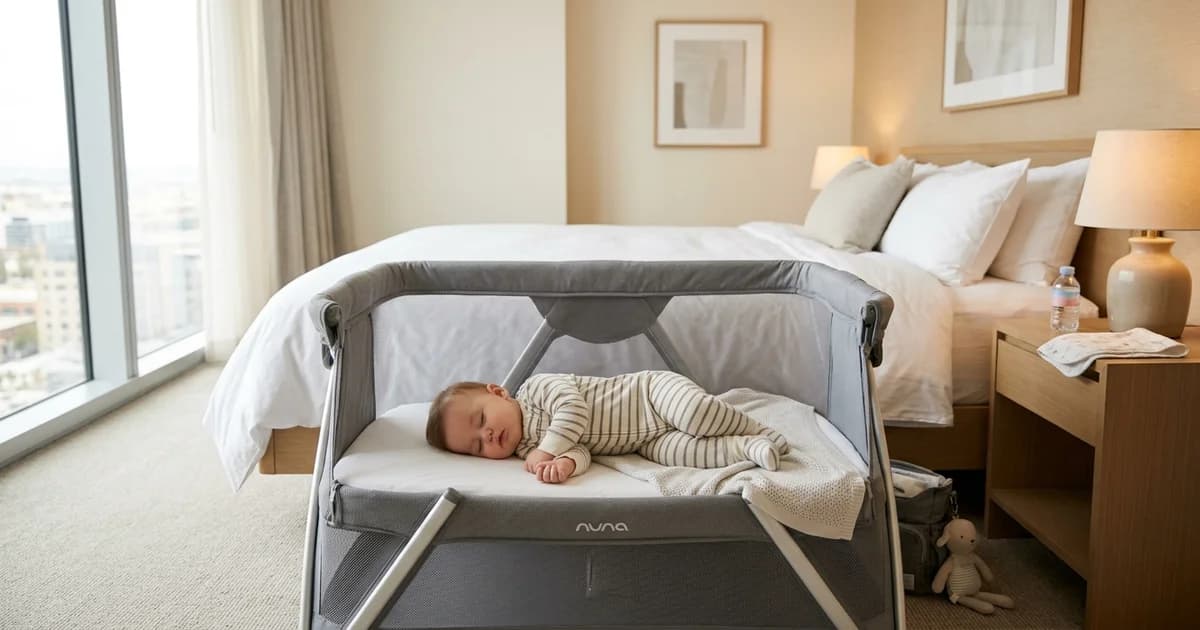
That matters at home more than on the road: bassinet mode puts the sleep surface at adult waist height, next to the sofa, for the months when naps happen wherever you are.
| Mode | What it is actually for | Roughly when it ends |
|---|---|---|
| Bassinet insert | Newborn naps at adult height, downstairs | When baby pushes up on hands and knees, or hits the insert's stated limit |
| Full playard floor | Floor-level sleep, then contained play | The 35-inch or climbing ceiling |
| Changing topper | Diaper changes without going upstairs | Commonly the first few months |
| Incline or napper attachment | Not infant sleep — see below | Never used for sleep |
The changing topper is the panel most likely to go unused
Changing toppers are the feature most often bought and least often kept, because their value depends entirely on your floor plan:
- Worth having if your nursery is on a different floor from where you spend the day, or stairs are a recovery constraint.
- Skip it if the playard shares a room with a dresser-top changing pad — you will use the one with the wipes already on it.
Two structural details decide whether the thing stays set up rather than living in a closet:
- Does the bassinet live inside the playard, or is it a separate piece you then have to store somewhere?
- Is the fold genuinely one-handed, with the baby on your hip?
The Graco Pack 'n Play On the Go Zip → is the model in our catalog built around the first: a full-size bassinet that zips into the playard, and zips out when your baby outgrows it. Graco describes the fold as quick and compact but does not call it one-handed, so practise it before you need it with a baby on your hip.
What goes inside it: nothing
For a missing pad, ill-fitting sheet or proposed comfort layer, use the pad, sheet and replacement-part safety checklist. It explains which questions require the exact playard model and manufacturer support.
CPSC's safe sleep guidance lists play yards among the products intended for infant sleep, alongside cribs, bassinets and bedside sleepers — and then adds the constraint that cancels most accessories: "Bare is Best" — nothing but a fitted sheet in a crib, bassinet or play yard.
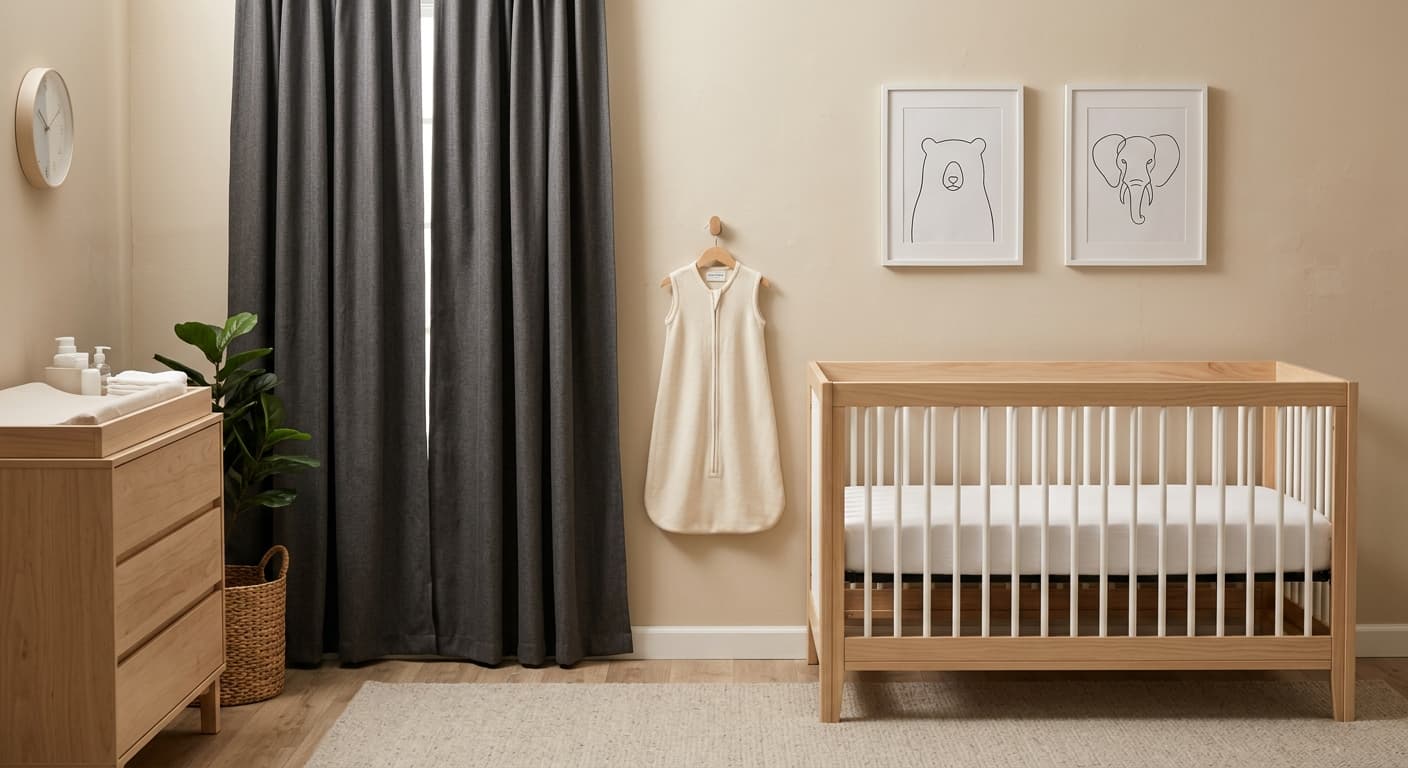
Bottom line: the pad your playard shipped with is the mattress. A fitted sheet is the only thing the guidance adds to it.
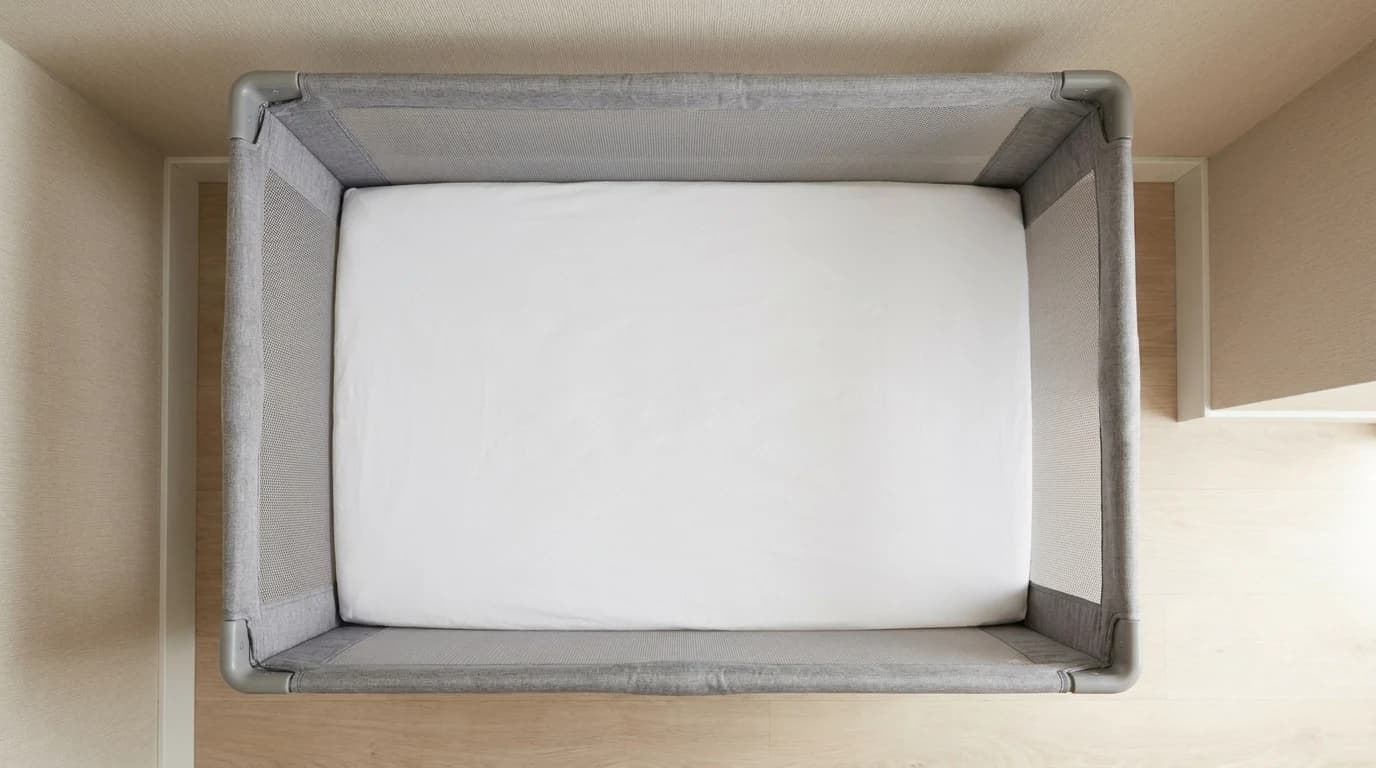
The AAP's parent guidance runs the same direction: use a firm, flat sleep surface — one that "shouldn't indent when your baby is lying on it" — and treat any surface inclining more than 10 degrees as unsafe for sleep. That is the rule that rules out the soft napper and rocker attachments some playards still bundle, and it is why we tell people to skip inclined infant sleepers entirely. It is also why, in December 2020, Graco recalled the inclined sleeper accessory sold with Day2Dream models 2034085, 2048753 and 2053215; only the accessory was recalled, and CPSC says the playard, bassinet and changer can still be used without it. If you want the full checklist for the room, our safe sleep environment guide covers it.
Three play yards, three different jobs
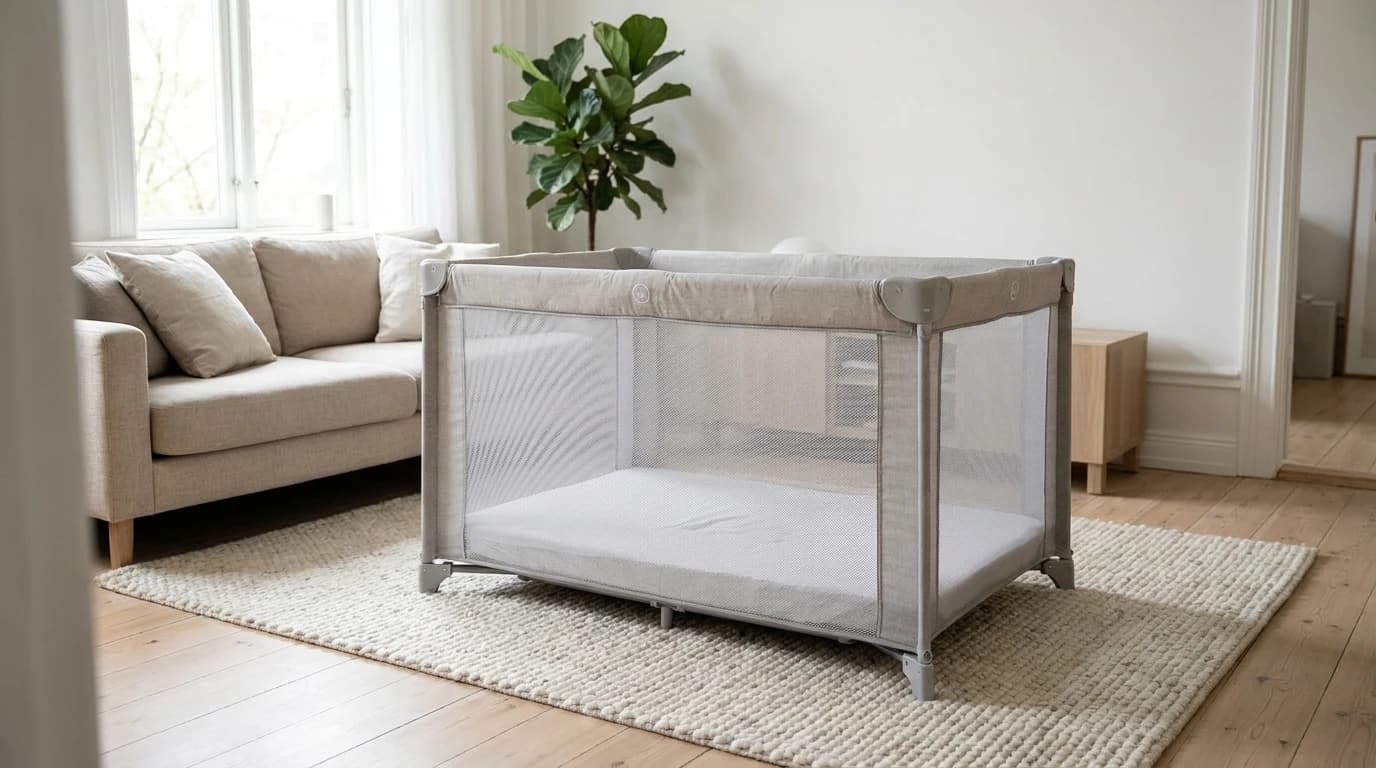
The federal class is wider than the shop category: a fold-up travel crib is a play yard too, certified against the same ASTM F406 requirements as the boxy one in your living room. Safety is not the variable between them — the job is.
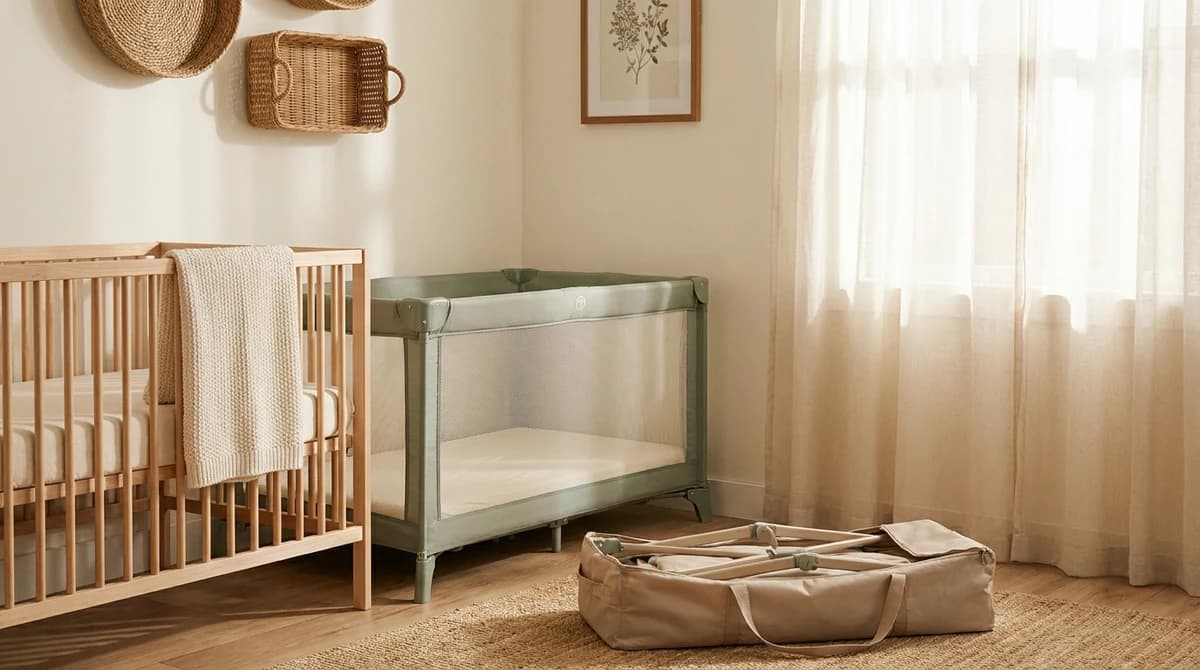
- The simple home playard. One bassinet, one fold, nothing else to store. The Graco Pack 'n Play On the Go Zip → is this shape, and it is the one to buy if the changing panel does not apply to you.
- The full-feature home playard. Bassinet plus changing station, for households where the nursery is a flight of stairs from where the day happens. The Graco Pack 'n Play Day2Dream → carries both.
- The one that also travels. Lighter and backpack-carried, trading daily-use features for pack size. The Guava Lotus → is our pick there.
The comparison table above has the current numbers on all three; the wider shortlist, ranked and price-checked, sits on our travel cribs and gear category page.
Traveling? You want the other guide
If the playard's main job is trips, the trade-offs invert — weight, bag size and setup time matter more than bassinet height or a changing panel. We cover those in best travel cribs, and if you are still choosing between form factors, pack-n-play vs travel crib vs mini crib is the one to read first.
Can a baby sleep in a pack and play every night?
Yes. CPSC lists play yards among the products intended for infant sleep, provided it meets current federal requirements and you use only the firm, flat pad it came with. Many families use one as the primary sleep space for the first year; the transition is covered in moving from bassinet to crib.
Do you need a separate mattress for a pack and play?
No — and adding one works against you. The included pad is the surface the playard was certified with, and CPSC's guidance allows nothing in the sleep space but a fitted sheet sized for that pad.
When is a child too big for a pack and play?
When they pass 35 inches in height or can climb out, whichever comes first. Both conditions come straight from the federal definition, and the climbing one can arrive well before the height one.
A thicker aftermarket mattress makes a pack and play more comfortable for overnight sleep.
The pad a playard ships with is the surface it was certified against. CPSC's safe sleep guidance allows nothing but a fitted sheet in a play yard, so a thicker mattress changes the tested surface and the fit at the edges.
The weight limit printed on the box tells you when a child outgrows the playard.
The federal definition at 16 CFR 1221 sets a height ceiling of 35 inches and excludes any child who can climb out. Either condition can arrive well before a stated weight limit does.
Research Sources
- CPSC, Play Yards Business Guidance — 16 CFR part 1221, ASTM F406, and the 35-inch/cannot-climb-out definition
- CPSC, Bassinets and Cradles Business Guidance — 16 CFR part 1218 and ASTM F2194
- CPSC, Safe Sleep — Cribs and Infant Products (“Bare is Best”; play yards listed as intended sleep products)
- American Academy of Pediatrics (HealthyChildren.org), A Parent’s Guide to Safe Sleep — firm flat surface, 10-degree incline limit
- CPSC, Infant Sleep Products Business Guidance — 16 CFR part 1236 and ASTM F3118
Hilly Shore Inc.
Editorial teamIndependent product research team behind Cribworthy. Reviews are grounded in published AAP / CDC / NHTSA / CPSC pediatric guidance, JPMA / GREENGUARD GOLD / OEKO-TEX certification verification, and aggregated buyer sentiment.
124 products reviewed · 22 categories covered · cites AAP, CDC, NHTSA, CPSC, FDA, ACOG.
Safety claims are verified against published pediatric guidelines and CPSC databases. See our editorial standards.