Harness Booster Car Seats: The Limit That Expires First
Quick Answer
A harness-to-booster (combination) car seat has three limits that expire at different times, and the first one to go is usually the installation. NHTSA sets the lower-anchor ceiling at 65 pounds minus the weight of the car seat, so a 25-pound combination seat must be reinstalled with the vehicle seat belt at around 40 pounds of child — while the harness itself keeps going to 65 pounds. Forty pounds is also the minimum for booster mode on most of these seats, which is why the two get confused. Reaching it means the install has to change, not that harness mode is over.
Our Verdict
Weigh the seat before you read anything else about it. Subtracting that number from 65 gives you the child weight at which the lower-anchor installation has to be swapped for the vehicle seat belt, and on a typical 25-pound combination seat that lands at 40 pounds — 25 pounds of growth before the harness itself expires. After that, the spec that decides how long harness mode lasts is the harness height limit, not the weight limit the marketing leads with.
#1  Chicco MyFit ClearTex Harness + Booster Car Seat Chicco MyFit ClearTex Harness + Booster Car Seat4.8 | #2 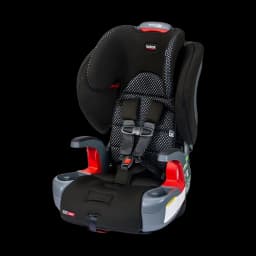 Britax Grow with You ClickTight Harness-2-Booster Car Seat Britax Grow with You ClickTight Harness-2-Booster Car Seat4.7 | #3 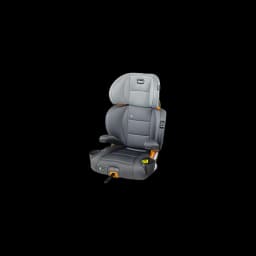 Chicco KidFit ClearTex Plus 2-in-1 Booster Car Seat Chicco KidFit ClearTex Plus 2-in-1 Booster Car Seat4.7 | |
|---|---|---|---|
| Verdict | The longer harness runway — 54 inches of harness height buys years on a tall child | The longer booster runway, and the seat-belt install that removes the LATCH question entirely | The honest answer when the harness years are already behind you |
| Price | ~$239.99Buy on Amazon | ~$359.99Buy on Amazon | ~$109.99Buy on Amazon |
| Current price | $239.99 | $359.99 | $109.99 |
| Modes | 5-point harness, then belt-positioning high-back booster | 5-point harness, then belt-positioning high-back booster | High-back booster, then backless booster |
| Harness mode | 25-65 lb, up to 54 in | 30-65 lb, 35-49 in | None — belt-positioning only |
| Booster mode | 40-100 lb, 38-57 in, 4 years and up | 40-120 lb, 44-63 in | 40-100 lb, 4 years and up |
| Seat weight | 25 lb | 25 lb | Lighter than a combination seat |
| Buyer sentiment | Comfort Installation Headrest adjustment Sturdiness Weight Buyers praise comfort, installation, headrest adjustment and sturdiness. Some flag weight. Based on 152 user mentions | Quality Installation Comfort Safety Buyers praise quality, installation, comfort and safety. Based on 895 user mentions | Quality Easy To Install Comfort Safety Buyers praise quality, easy to install, comfort and safety. Mixed feedback on latch system and secure fit. Based on 875 user mentions |
| Pros |
|
|
|
| Cons |
|
|
|
* Prices are approximate. Check the linked retailer for current pricing and availability.
Key Takeaways
- ✓Weigh the seat before you read anything else about it. Subtracting that number from 65 gives you the child weight at which the lower-anchor installation has to be swapped for the vehicle seat belt, and on a typical 25-pound combination seat that lands at 40 pounds — 25 pounds of growth before the harness itself expires. After that, the spec that decides how long harness mode lasts is the harness height limit, not the weight limit the marketing leads with.
- ✓A combination seat carries three separate ceilings, and a product listing usually names one. The American Academy of Pediatrics describes the category plainly: these seats are used forward facing w...
- ✓NHTSA publishes the arithmetic as a formula: lower anchor weight limit = 65 lbs – weight of car seat.
- ✓Forty pounds shows up twice in a typical combination-seat manual, in two unrelated roles that get collapsed into one.
- ✓For a tall child, the spec that ends harness mode is the height limit, and it is the one buyers compare least.
Hitting 40 pounds means it is time to convert the seat to booster mode.
Forty pounds is the minimum at which booster mode is permitted on most combination seats, not the point at which harness mode ends. Both seats compared here harness to 65 pounds, and the AAP recommends using a harness as long as the seat allows.
The harness is done when your child hits the harness weight limit.
Manufacturers publish a weight limit and a height limit, and whichever arrives first ends harness mode. Britax stops the harness at 65 pounds or 49 inches; Chicco stops it at 65 pounds or 54 inches. For a tall child the height limit lands years earlier.
Using the lower anchors on a booster breaks the 65-pound rule.
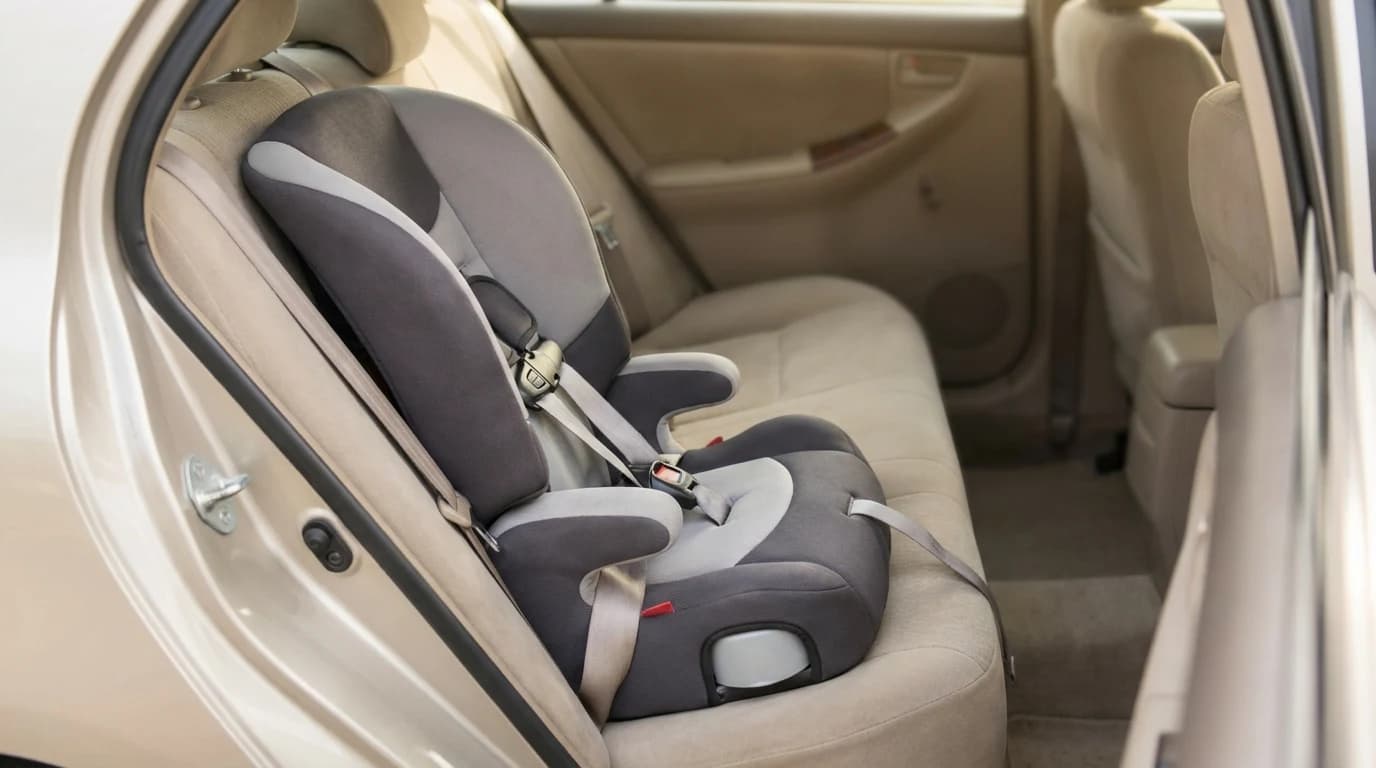
Britax states that on a belt-positioning booster the lower-anchor connectors only position the booster, the vehicle seat belt restrains the child, both are used together, and the lower anchor weight limits do not apply in that configuration.
As an Amazon Associate I earn from qualifying purchases. Product prices and availability are subject to change.
Two numbers on a harness-to-booster car seat land within a few pounds of each other and mean opposite things. One tells you to change how the seat is attached to the car. The other tells you a new mode has become available. Most parents only ever notice the second one.
The collision, in one line: on a 25-pound combination seat, the lower-anchor installation runs out at roughly 40 pounds of child — the same weight at which booster mode first becomes permitted. Same number, opposite instruction.
The three limits, and the order they actually arrive
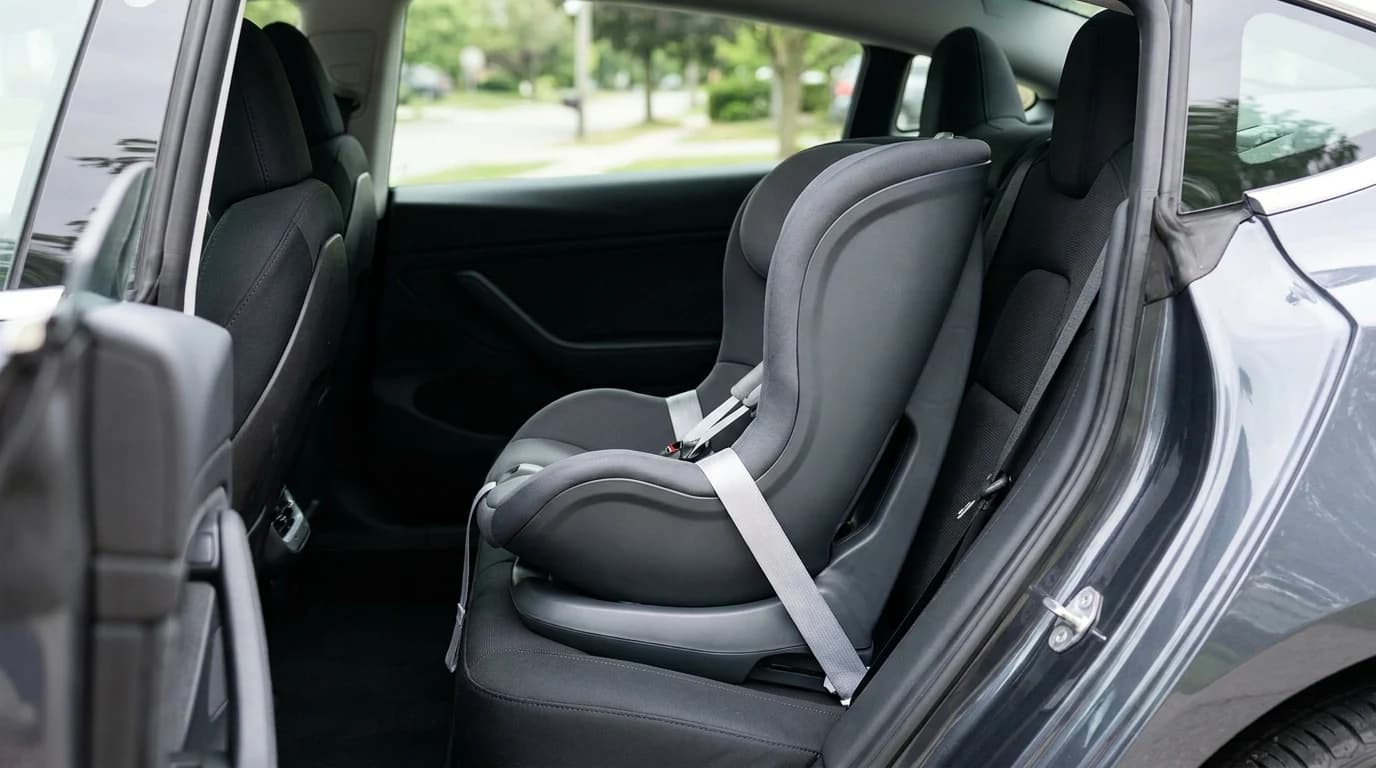
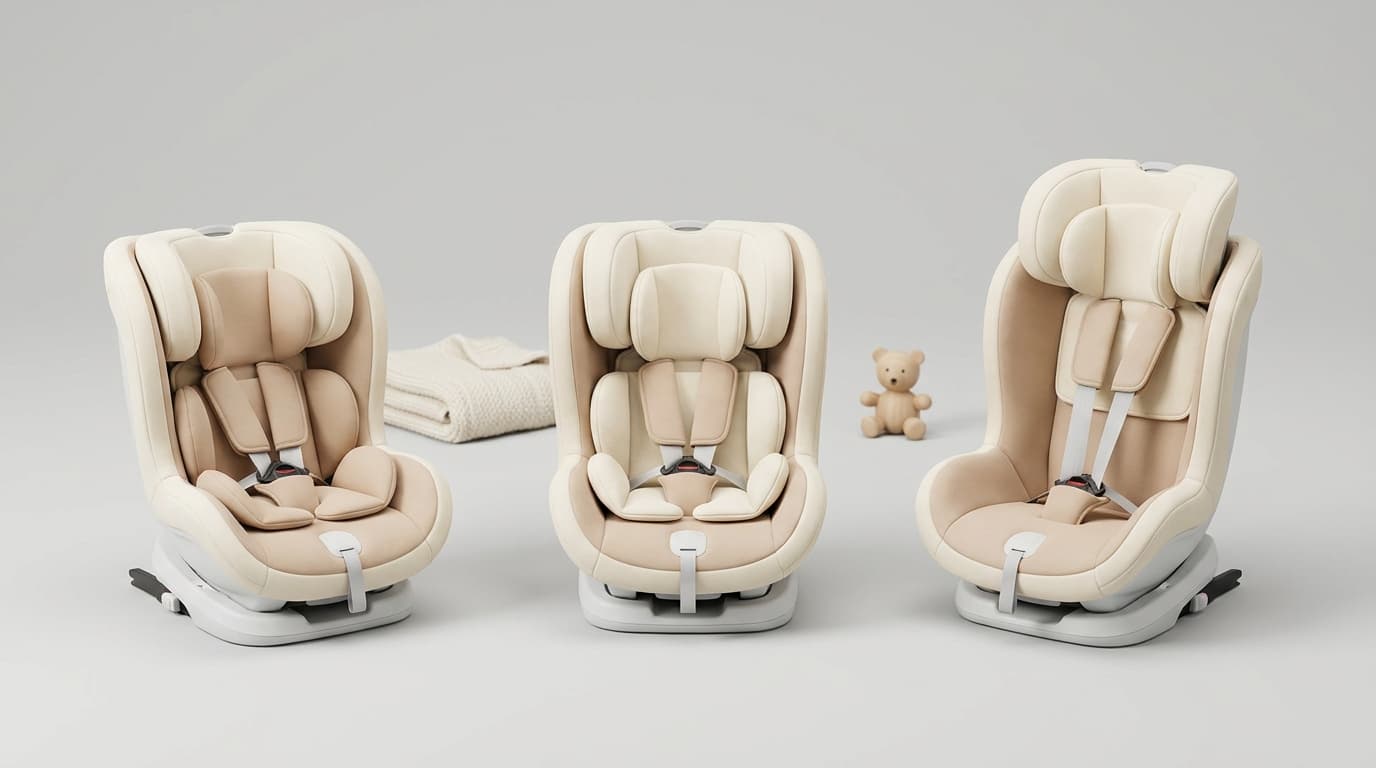
A combination seat carries three separate ceilings, and a product listing usually names one. The American Academy of Pediatrics describes the category plainly: these seats are used forward facing with a harness for children who weigh up to 40 to 65 pounds depending on the model, or without the harness as a booster.
| What runs out | Where that number comes from | What you do about it |
|---|---|---|
| The lower-anchor installation | 65 pounds minus the seat's own weight | Reinstall with the vehicle seat belt, keep the tether |
| Harness mode | The harness weight limit or the harness height limit | Convert the same shell to booster mode |
| Booster mode | How the adult belt fits the child, not a weight | Retire the booster |
Read that top-down: the first row is the one nobody puts on a box, and it arrives first.
The installation expires before the harness does
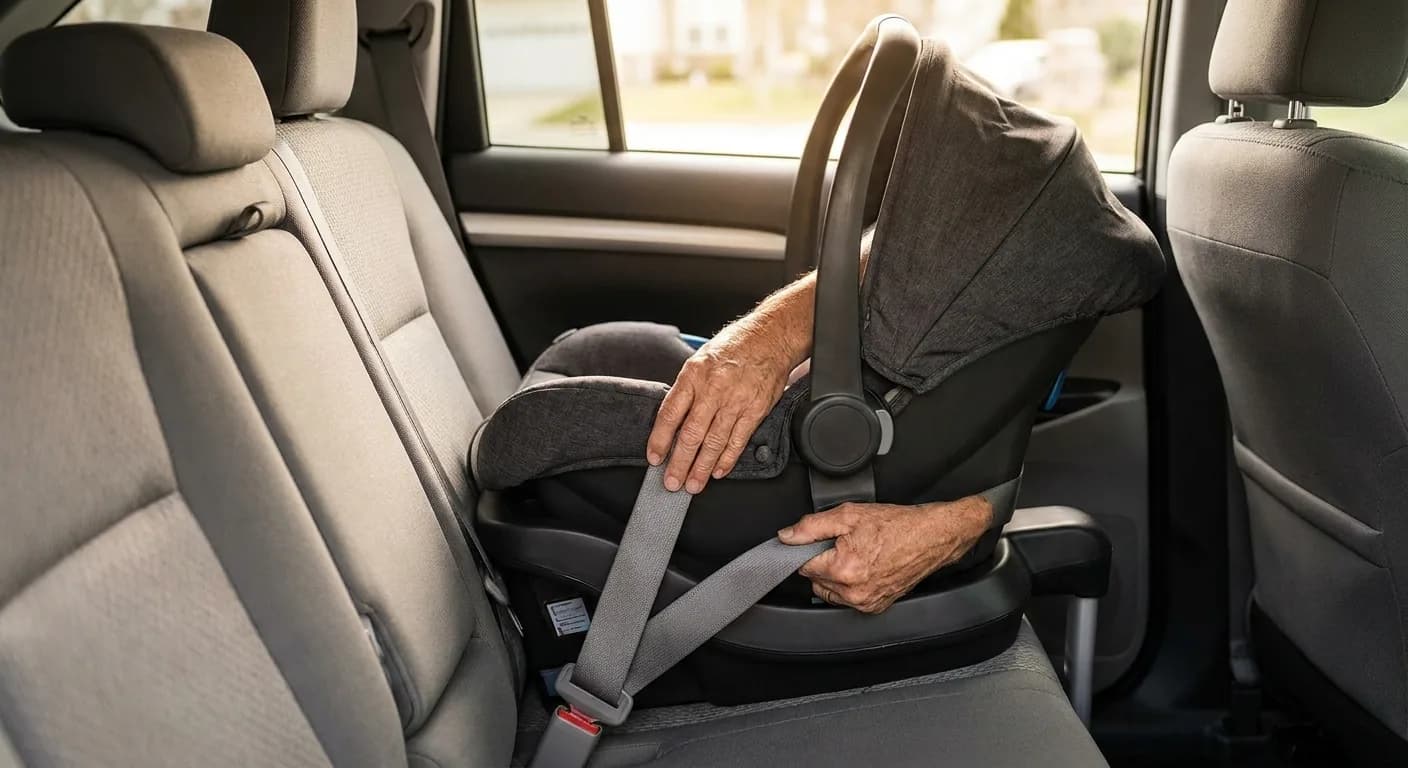
NHTSA publishes the arithmetic as a formula: lower anchor weight limit = 65 lbs – weight of car seat.
Britax lists the Grow With You ClickTight at a product weight of 25 pounds. Do the subtraction and the lower anchors are finished at 40 pounds of child, while the harness itself keeps going to 65. That is 25 pounds of growth — often well over a year — during which the seat is entirely legal in harness mode and the way it is bolted to the car is not.
Britax says to identify the limits for both the car seat and the vehicle, then go by the lower number. The AAP states the ceiling flatly: all lower anchors are rated for a maximum weight of 65 pounds, including the car safety seat and the child.
What that looks like in a driveway:
- Find the seat's weight in its manual, subtract it from 65, and write the answer somewhere you will see it again
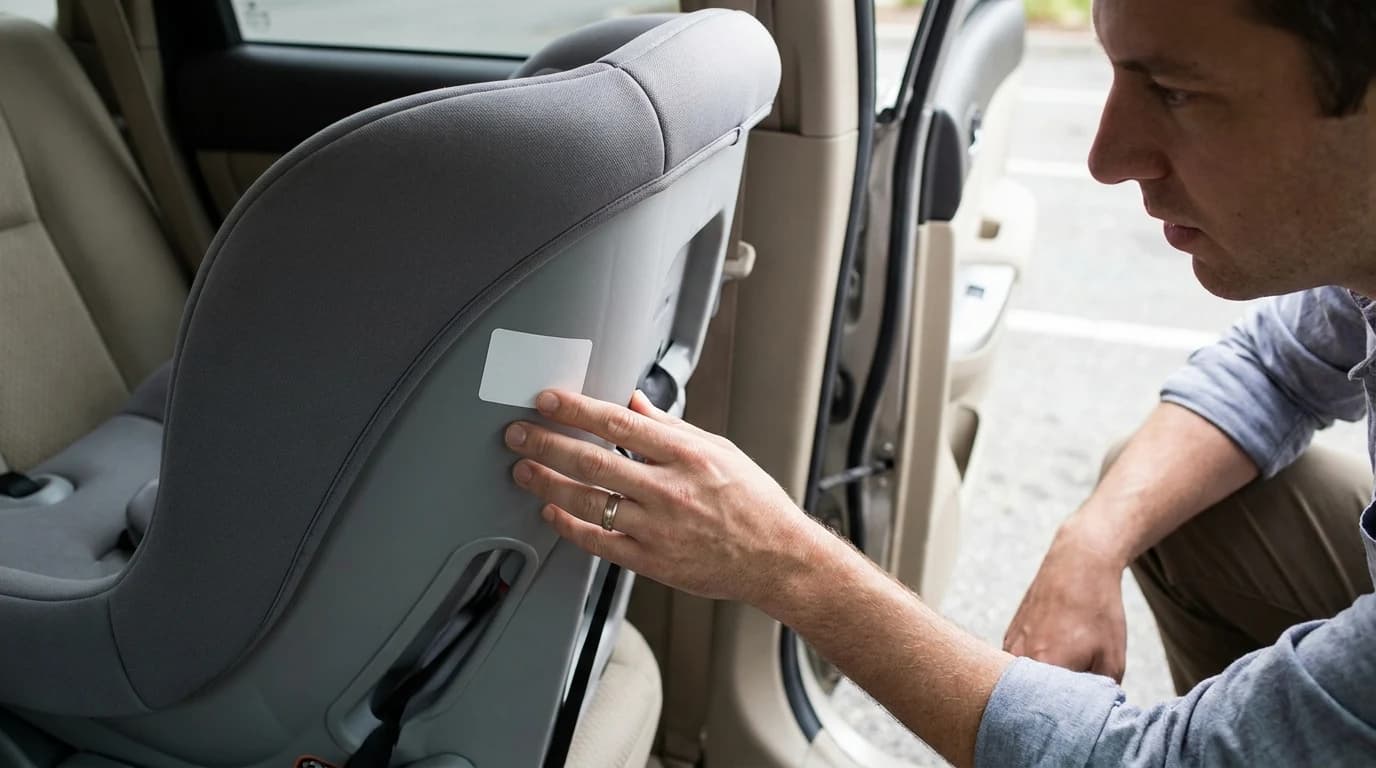
- Check the label on the side of the seat first — a stated limit there beats the subtraction
- At that weight, unclip the lower anchors and reinstall with the vehicle belt, following our step-by-step car seat installation guide
- Keep the top tether connected either way — it is not in the 65-pound calculation, and NHTSA recommends it on any forward-facing seat
- In harness mode, use lower anchors or the belt, never both, unless the seat's manual specifically permits it
Why 40 pounds is the most misread number in the manual
Forty pounds shows up twice in a typical combination-seat manual, in two unrelated roles that get collapsed into one.
What 40 pounds usually means:
- The minimum weight at which booster mode becomes allowed
- One of three gates — Chicco opens booster mode on the MyFit ClearTex at 40 pounds, 38 inches and four years old
What it does not mean:
- That harness mode has ended — both seats here harness to 65 pounds
- That you should switch: the AAP's guidance is to ride in a harness as long as possible, at least to four years of age
The practical read: treat the booster minimum as a door that opens, not an alarm that goes off. Nothing about reaching it says the harness is finished.
Two seats, the same harness weight, five inches apart
For a tall child, the spec that ends harness mode is the height limit, and it is the one buyers compare least.
Britax harnesses the Grow With You ClickTight to 65 pounds or 49 inches. Chicco harnesses the MyFit ClearTex to the same 65 pounds — but to 54 inches. Identical weight ceilings, a five-inch gap in height, and past age four it is usually height that arrives first.
Read both numbers, not one:
- A heavier, shorter child hits the weight figure first
- A tall, lean child hits the height figure first, sometimes years earlier
- Booster caps diverge as well — 100 pounds and 57 inches on the Chicco, 120 pounds and 63 inches on the Britax
- Neither seat rear-faces, so a combination seat replaces a convertible rather than extending one
Booster mode quietly changes what the connectors are for
Once the shell converts to booster mode, the lower anchors stop restraining your child, and the 65-pound rule stops applying to them.
Britax explains it directly: on a belt-positioning booster the lower-anchor connectors only help to properly position the booster in your vehicle, the vehicle seat belt restrains the child, both are used at the same time, and the lower anchor weight limits do not apply. The connectors have a different job under a different rule: keeping an empty booster from becoming a loose object.
When a combination seat is the wrong thing to buy
If your child already clears the booster minimums, most of a combination seat's price is a harness you will never use.
- Already past 40 pounds, four or older, and able to sit properly for a whole ride: a high-back booster does the same job for far less
- Still under 40 pounds in a convertible seat: you are buying for the harness years, and harness height is the spec that matters most
- Two vehicles or a carpool: the seat that gets moved is the light one
- Browse the full lineup on our toddler car seats and boosters page
Do I have to stop using LATCH at 65 pounds?
You stop when your child plus the seat together reach 65 pounds, which happens well before your child weighs 65 pounds. Check the label on the side of the seat for a stated limit; NHTSA's subtraction method is what to use when no limit is printed. Then reinstall with the vehicle seat belt and keep the top tether attached.
Is my four-year-old ready for booster mode?
Meeting the minimum weight, height and age is the entry requirement, not the readiness test. A booster only works if the child stays back against the seat with the belt correctly placed for the entire ride, every ride. The AAP's position is to stay in a harness as long as the seat allows. Our guide to when to switch car seat stages walks all four transitions in order.
Research Sources
- Vehicle and Car Seat Parts Explained — NHTSA (lower anchor weight limit = 65 lbs minus the weight of the car seat)
- Car Seats and Booster Seats — NHTSA (stage recommendations by age and size)
- Car Seats: Information for Families — HealthyChildren.org (AAP: combination seats 40-65 lb; lower anchors rated to 65 lb total)
- About LATCH — Britax (65-pound combined limit; lower anchor limits do not apply in booster mode)
- Grow With You ClickTight Harness-2-Booster — Britax (product weight 25 lb; harness 30-65 lb / 35-49 in; booster 40-120 lb / 44-63 in)
- MyFit ClearTex Harness + Booster Car Seat — Chicco (harness 25-65 lb, up to 54 in; booster 40-100 lb, 38-57 in, 4+ years)
Hilly Shore Inc.
Editorial teamIndependent product research team behind Cribworthy. Reviews are grounded in published AAP / CDC / NHTSA / CPSC pediatric guidance, JPMA / GREENGUARD GOLD / OEKO-TEX certification verification, and aggregated buyer sentiment.
115 products reviewed · 20 categories covered · cites AAP, CDC, NHTSA, CPSC, FDA, ACOG.
Safety claims are verified against published pediatric guidelines and CPSC databases. See our editorial standards.