Best Learning Towers 2026: Toddler Towers by Counter Height

Four toddler towers ranked by counter fit: Little Partners Explore 'N Store from age 2, Guidecraft Classic from 18 months. Plus six 2025-26 recalls.
Buying guides, product comparisons, and research-backed advice for new parents.
Showing 1–12 of 19 guides tagged #baby-safety

Four toddler towers ranked by counter fit: Little Partners Explore 'N Store from age 2, Guidecraft Classic from 18 months. Plus six 2025-26 recalls.

A five-minute check for baby products sold through social ads: recall searches, the labels federal rules require, seller red flags, off-site reviews.

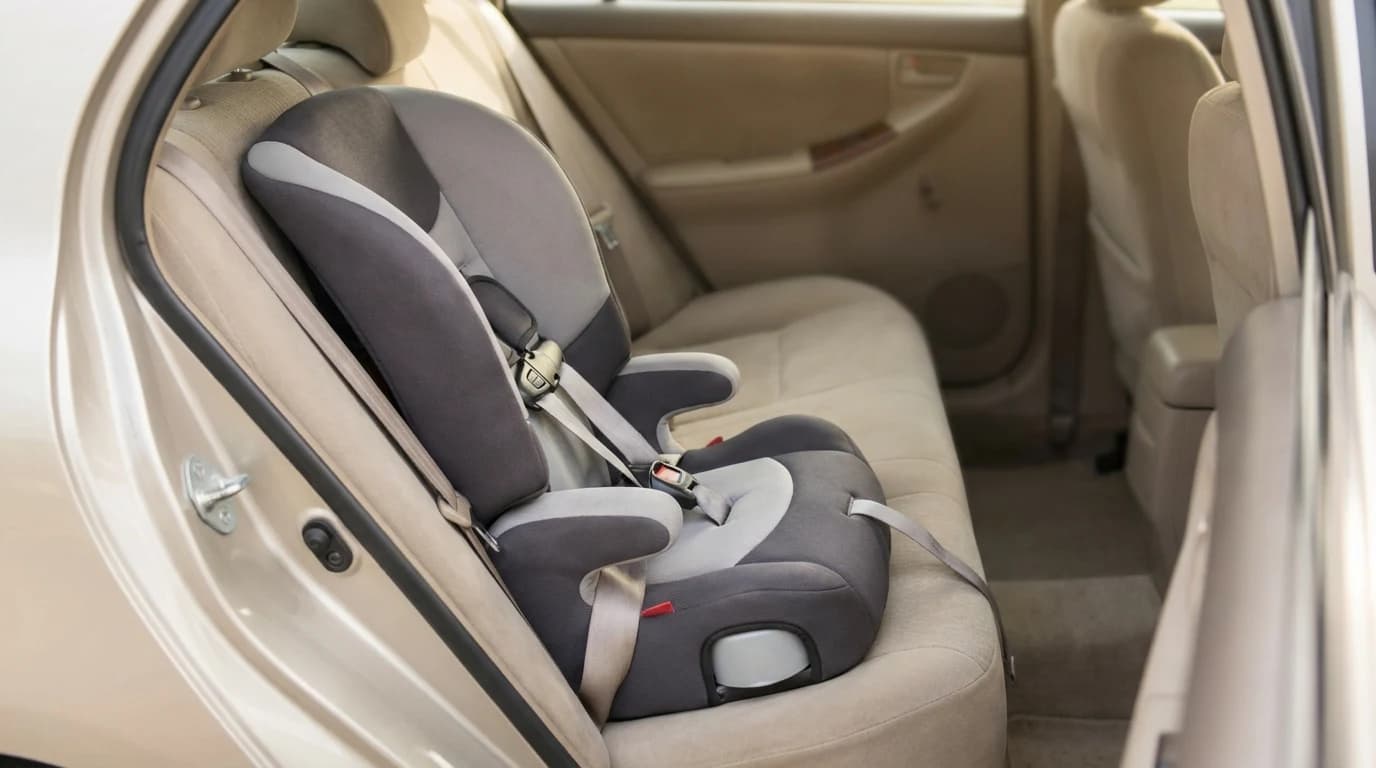
Harness-to-booster car seats carry three limits, and the lower-anchor install usually runs out first — around 40 pounds of child on a 25-pound seat.

White noise is safe for babies at the right volume — a 2014 Pediatrics study found many machines exceed safe limits, so follow the distance rule.

Pack the diaper bag by flight length — a short-haul vs long-haul packing matrix for flying with a baby, plus the TSA formula and breast milk rules.

One container plus a play mat is usually enough — a pediatric-guided look at whether you need a swing, bouncer, and floor seat, or just one of them.

Contact naps are normal, and movable. A gentle ladder to move contact naps into the crib, when to practice, and the one safe-sleep rule you cannot bend.

Activity gym, mat, stationary center, or walker — what each floor-play product does, the right age for each, and why pediatricians want walkers banned.

The CPSC recalled bottle-feeding pillows in 2026 — why self-feeding pillows are unsafe for babies, and the safe way to bottle-feed your baby instead.

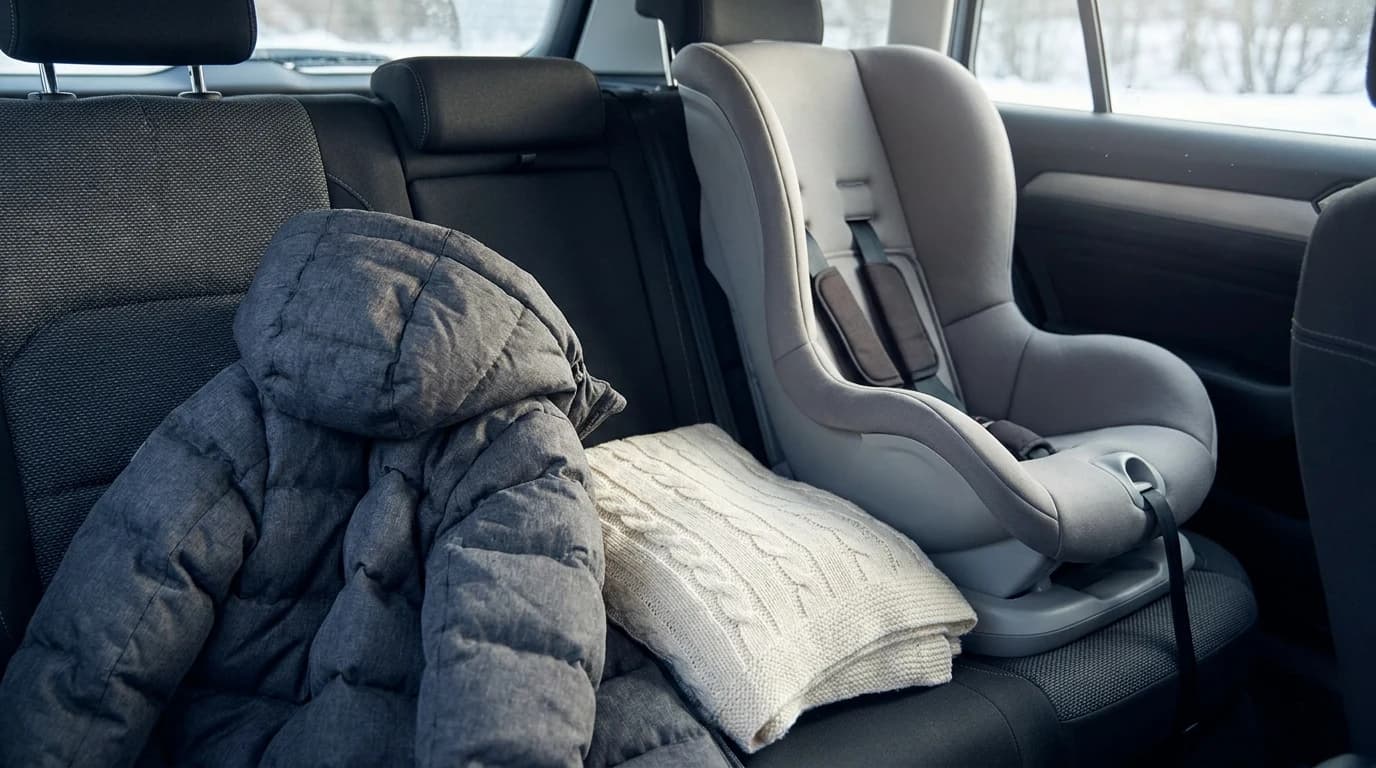
A bulky winter coat under a car seat harness is dangerous — the 2-step coat test that checks harness fit, plus safe ways to keep your child warm.

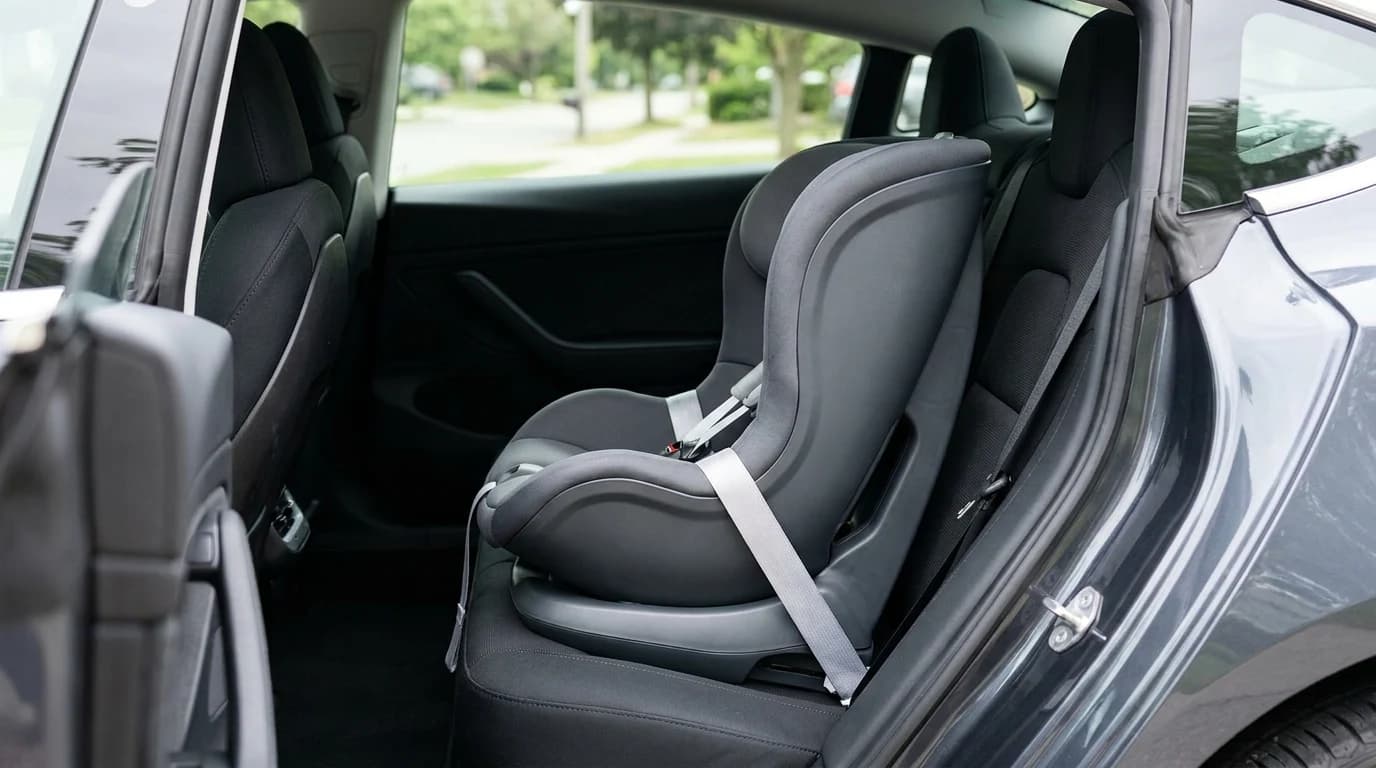
Car seat stage changes are triggered by the seat's height and weight limits, never age — when to move from rear-facing to forward-facing to booster.

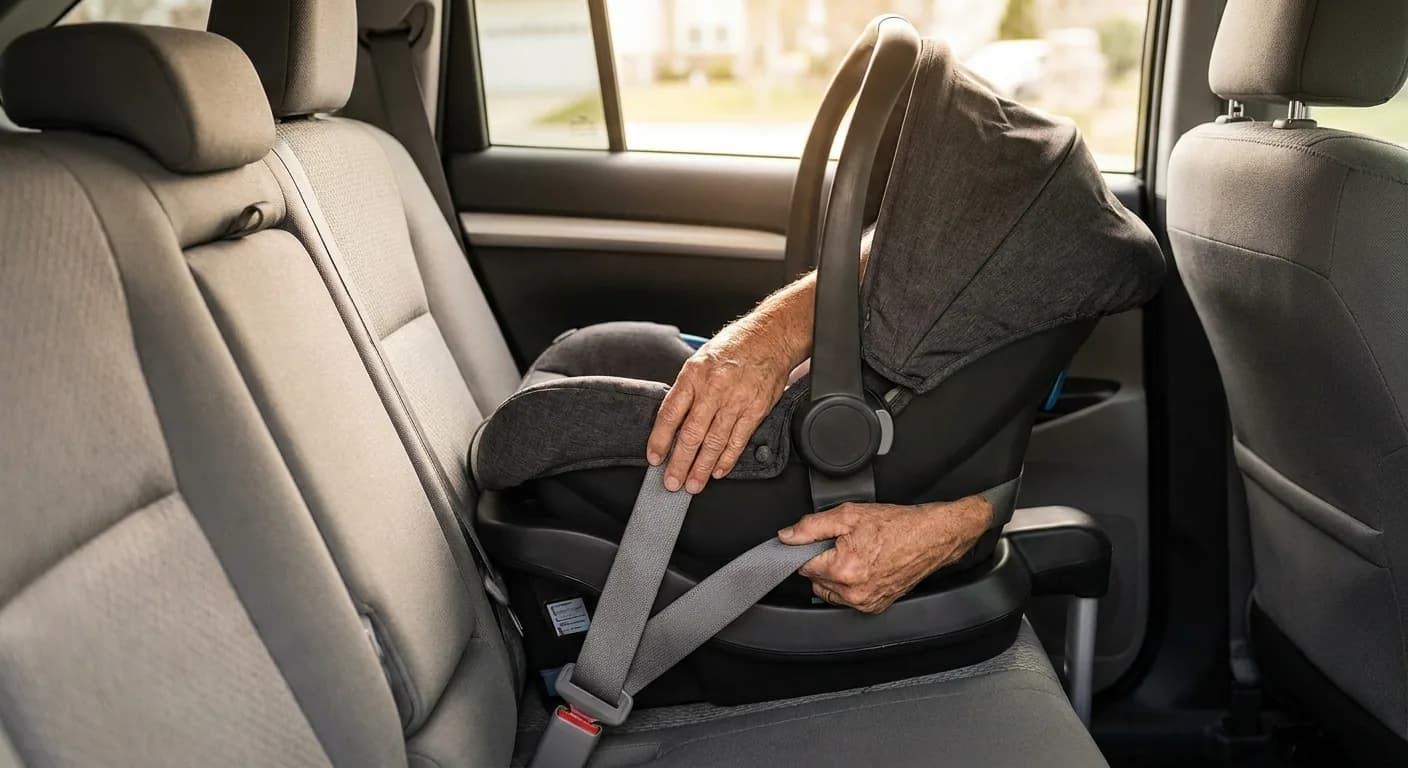
A correctly installed car seat moves less than 1 inch at the belt path — the back-seat rule, LATCH vs seat belt, recline, and tether, per AAP and NHTSA.