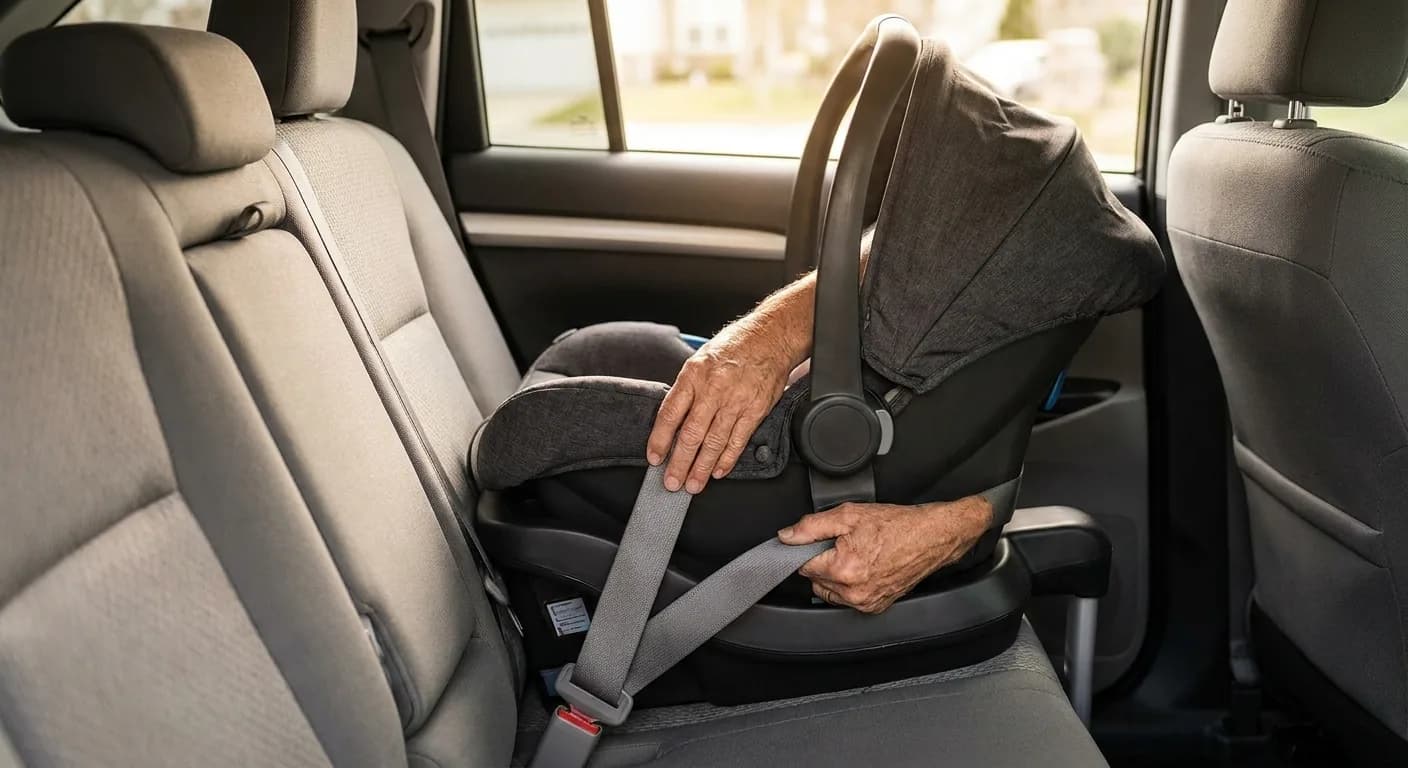
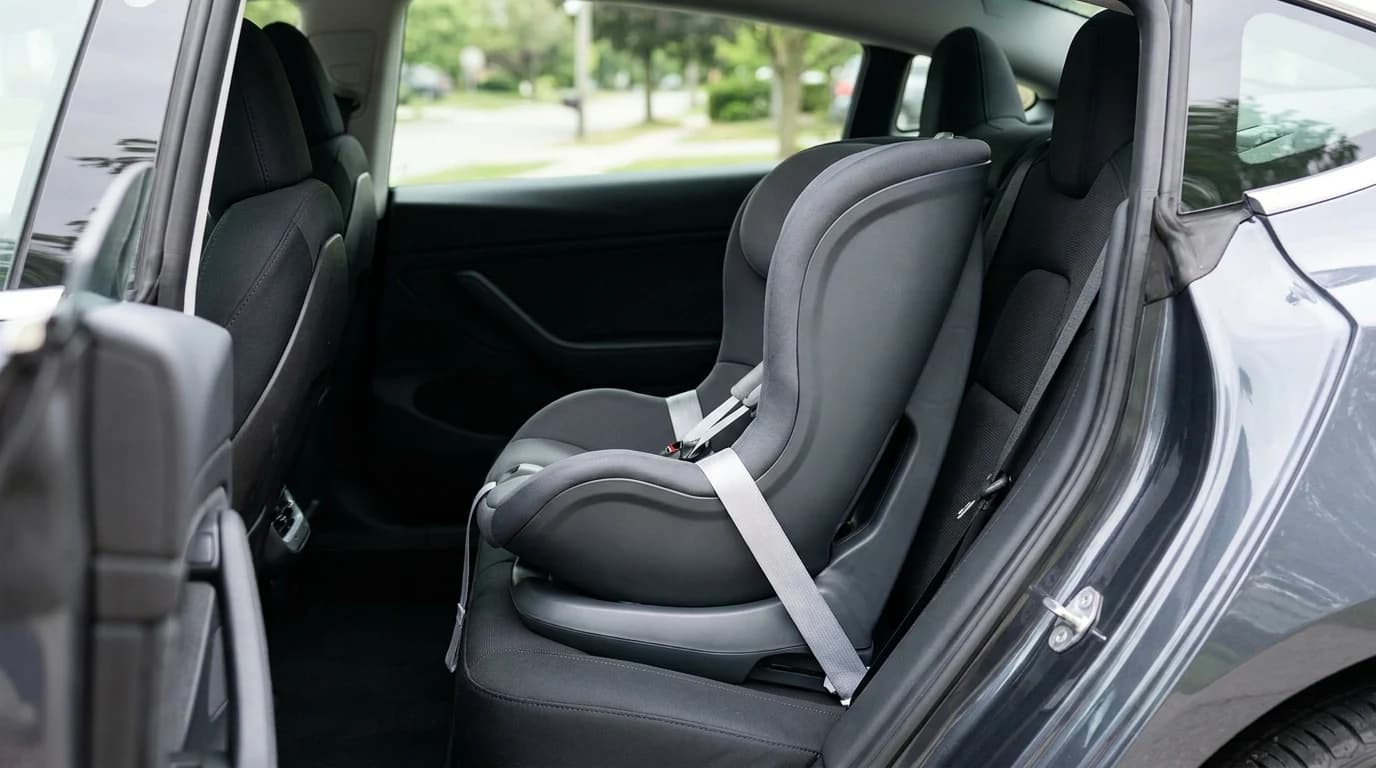
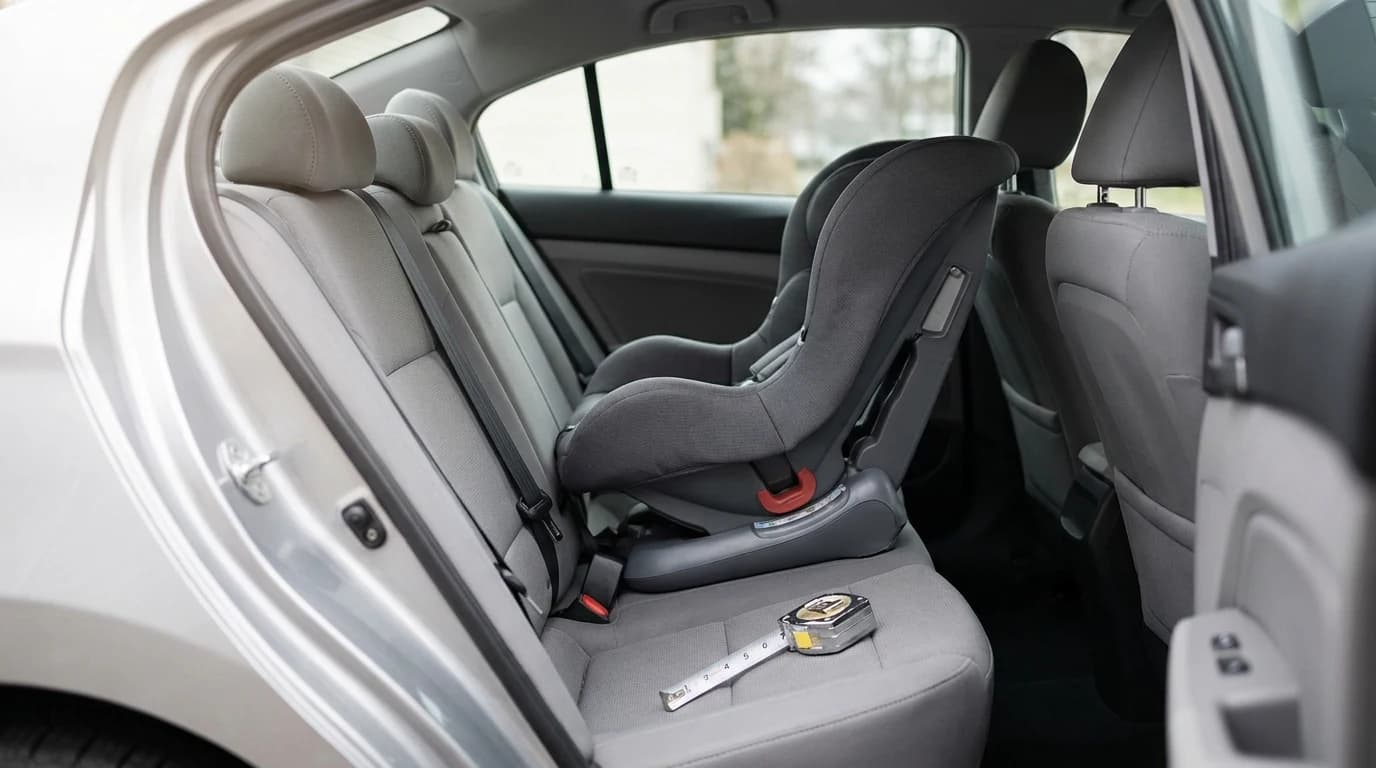
Winter Coats and Car Seats: Why Bulky Layers Are Dangerous
Quick Answer
Do not put your child in the car seat wearing a thick winter coat or snowsuit under the harness. In a crash, the coat's padding instantly compresses, leaving slack between your child and the straps, and a loose harness can let a child be thrown from the seat. Buckle your child in their regular clothes, tighten the harness until you cannot pinch the webbing at the shoulders, then add warmth over the harness with a blanket or their coat worn backward. This applies to every age, from newborn through booster.
Our Verdict
Bulky winter coats and car seat harnesses do not mix, at any age. Buckle your child in everyday clothes, tighten the harness until you cannot pinch the webbing at the shoulders, then add warmth on top with a blanket or a backward coat. Run the pinch test every ride, because the slack a puffy coat hides only shows up in a crash.
Key Takeaways
- ✓Bulky winter coats and car seat harnesses do not mix, at any age. Buckle your child in everyday clothes, tighten the harness until you cannot pinch the webbing at the shoulders, then add warmth on top with a blanket or a backward coat. Run the pinch test every ride, because the slack a puffy coat hides only shows up in a crash.
- ✓Do not put your child in the car seat wearing a thick winter coat or snowsuit under the harness. In a crash, the coat's padding instantly compresses, leaving slack between your child and the straps...
- ✓A puffy coat is invisible slack. The padding flattens on impact, so a harness that looked snug over the coat is suddenly loose around your child's body.
- ✓The danger is physics, not fabric. "If the child's coat is too bulky or puffy under their harness, that material can compress during a crash and create slack between the child and their harness," e...
- ✓You do not have to take anyone's word for it. Consumer Reports recommends this simple experiment:
As an Amazon Associate I earn from qualifying purchases. Product prices and availability are subject to change.
Strapping a baby into a car seat without a coat on a freezing morning feels backward. But the puffy coat that keeps your child warm in the parking lot is the same coat that can let them slip out of the harness in a crash. The fix takes thirty seconds and no special gear. Here is what the safety research says, and what to do instead.
Quick answer
Do not put your child in the car seat wearing a thick winter coat or snowsuit under the harness. In a crash, the coat's padding instantly compresses, leaving slack between your child and the straps, and a loose harness can let a child be thrown from the seat. Buckle your child in their regular clothes, tighten the harness until you cannot pinch the webbing at the shoulders, then add warmth over the harness with a blanket or their coat worn backward. This applies to every age, from newborn through booster.
Key takeaways
- A puffy coat is invisible slack. The padding flattens on impact, so a harness that looked snug over the coat is suddenly loose around your child's body.
- The pinch test is the whole rule. If you can pinch a fold of harness webbing at your child's shoulder, the harness is too loose, with or without a coat.
- Warm goes on top, never underneath. Blanket over the buckled harness, or coat on backward. Nothing bulky between your child's body and the straps.
- Same rule at every age. Infant seat, convertible, or booster, bulky layers under the belt or harness are unsafe.
Why a coat under the harness is dangerous
The danger is physics, not fabric. "If the child's coat is too bulky or puffy under their harness, that material can compress during a crash and create slack between the child and their harness," explains Emily A. Thomas, PhD, auto safety manager at the Consumer Reports Auto Test Center. "This extra slack could allow the child to move outside of the protection of the car seat shell."
The American Academy of Pediatrics puts it plainly: in a crash, "fluffy padding in a coat immediately flattens out from the force, leaving extra space under the harness. A child can then slip through the straps and be thrown from the seat." A harness only protects your child when it is tight against their body. A coat builds in the exact gap the harness is designed to remove, and you cannot see it because the coat looks snug right up until the moment it matters.
You tightened it against the coat, not against your child. This is why "but I tightened it really well over the coat" is the most dangerous sentence in winter car-seat safety.
The coat test: prove it to yourself in two steps
You do not have to take anyone's word for it. Consumer Reports recommends this simple experiment:
- Buckle in with the coat on. Put the coat on your child, sit them in the seat, fasten the harness, and tighten it until you can no longer pinch any webbing between your thumb and forefinger.
- Take the coat off and re-check, without touching the straps. Unclip the harness, lift your child out, remove the coat, put your child back in, and re-buckle, leaving the harness exactly as tight as you set it.
If you can now pinch the webbing, the coat is too bulky to wear under the harness.
That gap is the slack a crash would create instantly.
What to do instead: warm and safe
| Method | How it works | Why it's safe |
|---|---|---|
| Buckle in regular clothes, blanket on top | Harness against the body, blanket tucked over the buckled straps | Warmth never goes between child and harness; blanket is removable as the car heats up |
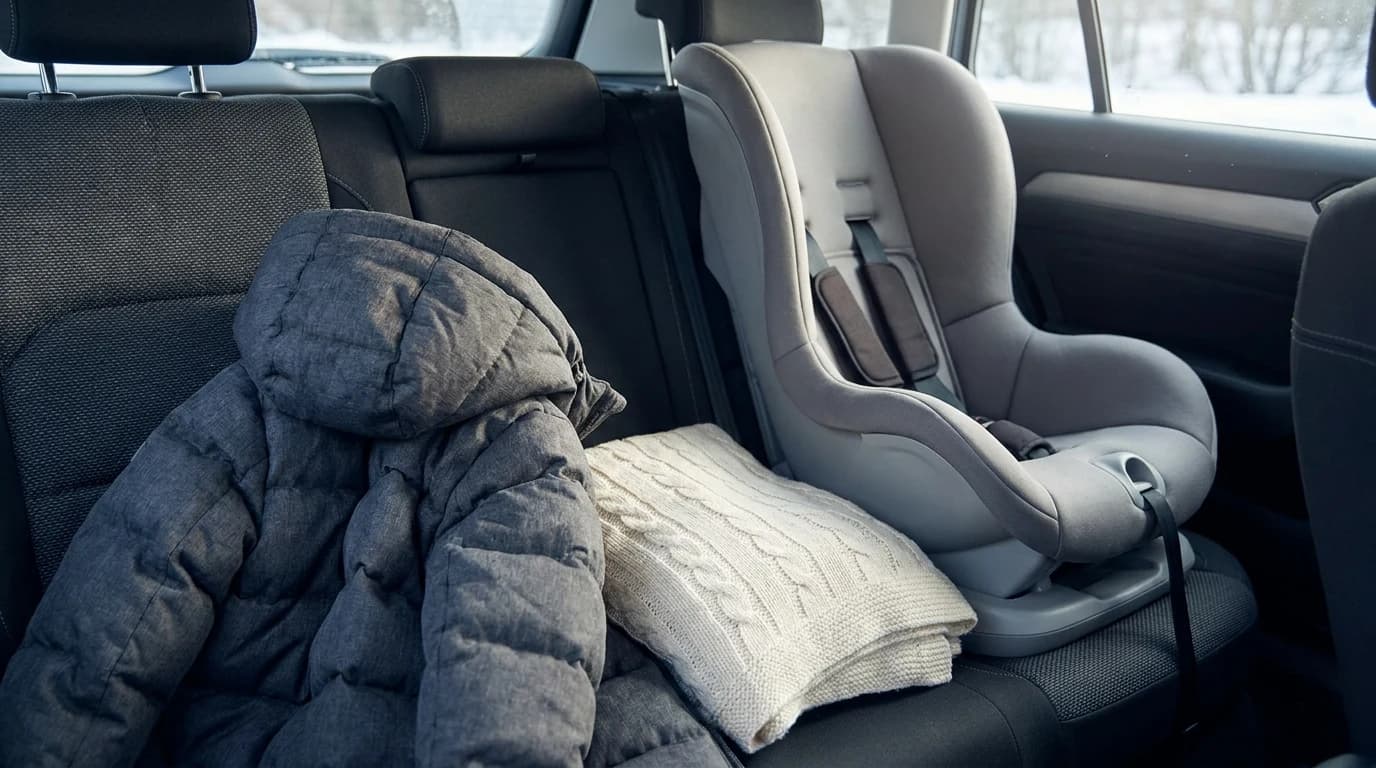
| Coat on backward | After buckling, slip arms through the coat's sleeves so the back lies over the harness like a cape | Keeps the chest and arms warm with no padding under the straps |
| Thin fleece or one snug layer | A close-fitting fleece adds warmth without compressible bulk | Does not interfere with a tight harness; "even thinner puffers can affect harness fit," so test it |
| Manufacturer-tested car seat cover (over the seat only) | A fitted cover or canopy made and crash-tested for your exact seat model | Tested with the seat so it does not compromise the harness; nothing goes under the baby |
A note on covers:
- No layer underneath your baby. As the AAP warns, "nothing bulky should ever go underneath your child's body or between their body and the harness straps."
- Leave the face uncovered to avoid trapped air.
- Fitted covers approved by your seat's manufacturer are safest, because they were crash-tested with that seat.
What most parents get wrong
The myth is that warmth and safety are a trade-off, so a tighter strap somehow makes up for a thick coat. It does not. A harness tightened over a coat is not actually tight, and once you remove the coat in your mind's eye, you are left with a child rattling around inside loose straps.
A second mistake is dressing the baby for the outdoors instead of the car. The AAP's rule of thumb: dress your infant in one more layer than you wear, but remove the coat and any bundling before buckling, then drape warmth over the straps once they are secure. The car heats up fast, so a removable top layer matters either way.
Finally, do not skip the check because "it was fine yesterday." Winter clothing changes day to day, and either of these creates the same gap a coat does:
- Bunched-up sweater bulk
- A hood caught under the strap
Run the pinch test every ride.
The bottom line
Bulky winter coats and car seat harnesses do not mix, at any age. Every ride, in order:
- Buckle your child in their everyday clothes.
- Tighten the harness until you cannot pinch the webbing at the shoulders.
- Add warmth on top with a blanket or a backward coat.
It costs you half a minute and removes the single most common winter mistake parents make. For the rest of your seat setup, make sure you have the harness and installation right and that your child is in the correct stage for their size.
Frequently asked questions
Can my baby wear a fleece or thin jacket in the car seat?
A thin, close-fitting fleece is usually fine because it does not add compressible bulk, but you still have to verify it. Buckle your child in, tighten the harness, and confirm you cannot pinch the webbing at the shoulders. As Consumer Reports notes, "even thinner puffers can affect harness fit," so the test, not the label, is what tells you it is safe.
How do I keep a newborn warm without a coat?
- Buckle the baby into the seat in regular clothes — a hat and an extra thin layer are fine, since they do not interfere with the harness.
- Tuck a blanket over the buckled straps, or use a cover that is tested for your specific seat.
- Never put a blanket or insert under the baby or between the baby and the harness.
Is it really unsafe, or just overcautious?
It is a real, measurable crash risk. The coat's padding compresses on impact and creates slack, and a loose harness can let a child be ejected. The same logic is why adults are advised not to wear a puffy coat under a seat belt.
Does the no-coat rule apply to booster seats too?
Yes. Any bulky layer between your child and the seat belt or harness creates slack, whether it is a five-point harness or a booster's lap-and-shoulder belt. Warmth always goes over the belt, not under it.
Sources
Research Sources
Hilly Shore Inc.
Editorial teamIndependent product research team behind Cribworthy. Reviews are grounded in published AAP / CDC / NHTSA / CPSC pediatric guidance, JPMA / GREENGUARD GOLD / OEKO-TEX certification verification, and aggregated buyer sentiment.
115 products reviewed · 20 categories covered · cites AAP, CDC, NHTSA, CPSC, FDA, ACOG.
Safety claims are verified against published pediatric guidelines and CPSC databases. See our editorial standards.