Highest Safety Rating Car Seats? What That Actually Means
Quick Answer
There is no useful public leaderboard for the highest safety rating car seats. The safest seat is the one that fits your child’s age, height, and weight; installs tightly in your vehicle; is used correctly every ride; has not expired or been recalled; and keeps your child in the right stage as long as the seat allows. A cheaper seat used correctly can be safer for your family than a premium seat that is hard to install or adjust.
Our Verdict
Stop shopping for a mythical safest-car-seat ranking. Shop for correct stage, child fit, vehicle fit, known history, easy repeatable installation, and a CPST check if you can get one.
What the rating means for your situation
| If your situation is… | Pick | Why |
|---|---|---|
| Comparing two seats with the same NHTSA star rating | Choose the one that fits your car and child best | NHTSA stars rate ease of use, not crash performance — every U.S.-certified seat passes the same federal FMVSS 213 crash standard. |
| Shopping for a newborn | Prioritize an easy, snug install (high ease-of-use) | Most real-world risk is misuse. A seat you install correctly every time beats a 'higher-rated' one used wrong. |
| You want the best side-impact information | Check the brand's own side-impact testing and IIHS booster ratings | There is no federal side-impact star, so manufacturer and IIHS (boosters) data is the most useful signal available. |
Use this row to shortcut by situation.
Key Takeaways
- ✓The safest car seat is the one that fits your child's age, height, and weight; installs tightly in your specific vehicle; is used correctly every ride; has not expired or been recalled; and keeps your child in the right stage as long as the seat allows.
- ✓A car seat can be excellent on paper and wrong for your car. If it cannot install tightly in the seating position you need, or if the harness fit is awkward on your child, it is not the right seat for your family.
- ✓CDC's child passenger safety guidance centers the same idea: children should be buckled in a car seat, booster seat, or seat belt appropriate for their age and size.
- ✓Ease is not fluff. A seat that is easier to install and adjust is more likely to be used correctly when you are tired, switching cars, or buckling a squirming toddler.
- ✓A less expensive seat that installs tightly, fits your child well, and is simple for every caregiver to use can be the safer choice than a premium seat that creates daily friction.
As an Amazon Associate I earn from qualifying purchases. Product prices and availability are subject to change.
Search for the safest car seat and you will run into a frustrating truth: there is no public U.S. crash-score leaderboard that ranks every child seat from safest to least safe. That does not mean all seats are equally easy to use, and it definitely does not mean the most expensive seat is automatically safer.
Quick answer
The safest car seat is the one that fits your child's age, height, and weight; installs tightly in your specific vehicle; is used correctly every ride; has not expired or been recalled; and keeps your child in the right stage as long as the seat allows. HealthyChildren, the AAP's parent site, says it plainly: no one seat is the best or safest. Fit and correct use beat a mythical safety ranking.
The Rating Misconception
| What parents search for | What actually matters |
|---|---|
| Highest safety rating | Correct seat stage and correct use |
| Safest brand | Fits child, vehicle, and caregiver routine |
| Most expensive seat | Easy installation you can repeat correctly |
| Extra side-impact claims | Proper harness fit and rear-facing as long as allowed |
| Five-star rating | Whether that rating is about ease, not crash superiority |
A car seat can be excellent on paper and wrong for your car. If it cannot install tightly in the seating position you need, or if the harness fit is awkward on your child, it is not the right seat for your family.
The Five-Part Safety Test
Use this before comparing brands.
| Test | Pass signal | Fail signal |
|---|---|---|
| Child fit | Within height and weight limits | Too tall, too heavy, or poor harness position |
| Vehicle fit | Tight install in the actual seating position | Moves too much or forces unsafe recline |
| Stage | Rear-facing/forward-facing/booster matches age and size | Child moved up early |
| Daily use | Harness snug, chest clip positioned, no bulky coat | Loose straps or shortcut habits |
| Seat history | New or fully known, registered, not recalled, not expired | Unknown used seat or missing labels/manual |
CDC's child passenger safety guidance centers the same idea: children should be buckled in a car seat, booster seat, or seat belt appropriate for their age and size. CDC also says children should remain rear-facing until they reach the maximum weight or height limit for that seat, then move through forward-facing, booster, and seat-belt stages.
Why Ease of Use Still Matters
Ease is not fluff. A seat that is easier to install and adjust is more likely to be used correctly when you are tired, switching cars, or buckling a squirming toddler. The difference between a good seat and the right seat is often whether the caregiver can repeat the setup accurately.
HealthyChildren's car-seat guidance says to read both the vehicle manual and the seat manual every time you install. It also recommends professional installation help, especially for expectant parents. That is not because parents are careless; it is because vehicles, belts, lower anchors, tethers, recline angles, and harness routing create a lot of room for small mistakes.
What to Do Instead of Chasing Rankings
- Choose the correct stage first. Infants and toddlers ride rear-facing as long as the seat allows. Do not rush forward-facing just because age two arrived.
- Check height and weight limits. The label and manual decide the transition, not a birthday.
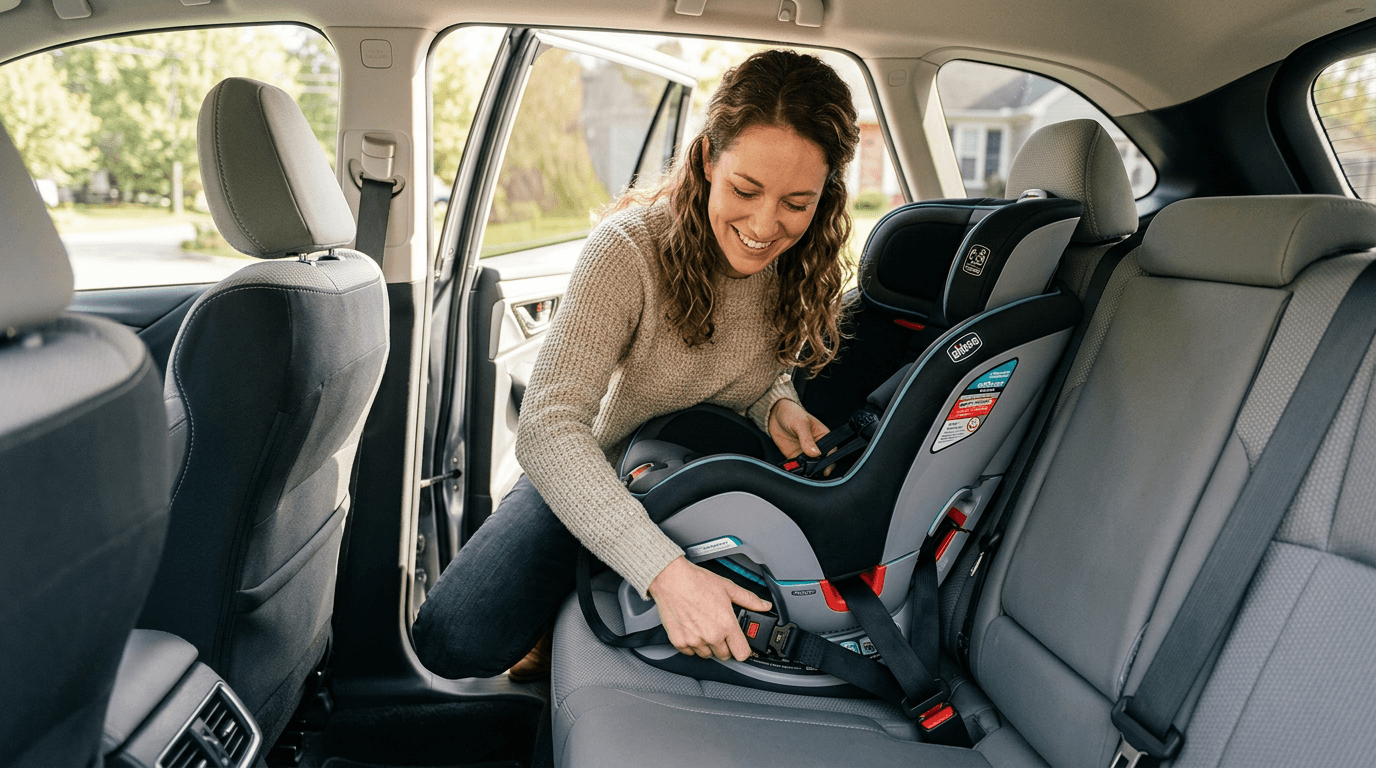
- Try the seat in your car if possible. A narrow back seat, deep bucket seat, or awkward buckle can change everything.
- Install once without shortcuts. Use seat belt or lower anchors according to the manuals, not both unless both manuals explicitly allow it.
- Get a CPST check. Safe Kids' National CPS Certification program connects families with technicians who teach you how to install and use the seat correctly.
- Register the seat. Recall notices only help if the manufacturer can reach you.
When a Cheaper Seat Is the Better Seat
A less expensive seat that installs tightly, fits your child well, and is simple for every caregiver to use can be the safer choice than a premium seat that creates daily friction. The safest seat is not the one with the fanciest shell. It is the one that gets used correctly on the normal Tuesday morning when everyone is late.
That is also why secondhand seats are tricky. If you do not know the full crash history, expiration date, recall status, and parts history, you are missing safety information. For more on the gear-buying decision, see our used car seat safety guide and how to choose a car seat.
Red Flags That Matter More Than Brand
- Unknown used-seat history
- Missing manual or missing labels
- Expired seat
- Recalled seat that was never repaired
- Harness slots below the shoulders on a forward-facing child
- Harness too loose to pass a pinch test
- Bulky coats under the harness
- Forward-facing seat used without the top tether when one is required and available
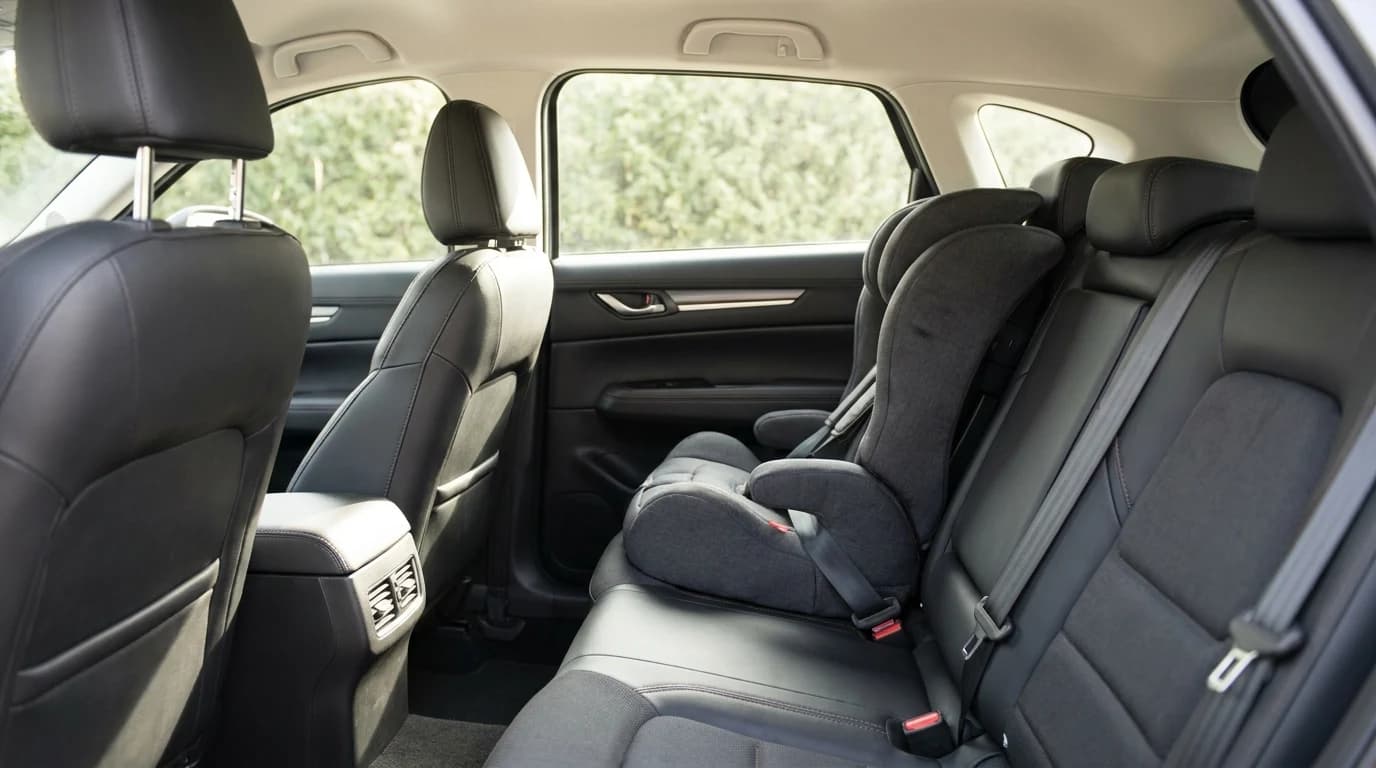
- Booster used before the child can sit properly the whole ride
Bottom Line
There is no useful public shortcut called the highest safety rating. The evidence-backed shortcut is boring but powerful: correct stage, correct fit, tight install, snug harness, known history, and a CPST check when you can get one. Buy the seat that lets you do those things every ride.
Sources
- HealthyChildren.org: Shopping for Car Seats: Tips for Parents — no one seat is the best or safest; best seat fits child, vehicle, and correct use.
- HealthyChildren.org: Car Seats: Information for Families — AAP guidance on seat types, installation, rear-facing, LATCH, and fit.
- CDC: Child Passenger Safety — age/size-appropriate restraints, rear-facing/forward-facing/booster stages, and back-seat guidance.
- National CPS Certification: Get a Car Seat Checked — how CPST checks work and what technicians review.
Research Sources
Hilly Shore Inc.
Editorial teamIndependent product research team behind Cribworthy. Reviews are grounded in published AAP / CDC / NHTSA / CPSC pediatric guidance, JPMA / GREENGUARD GOLD / OEKO-TEX certification verification, and aggregated buyer sentiment.
124 products reviewed · 22 categories covered · cites AAP, CDC, NHTSA, CPSC, FDA, ACOG.
Safety claims are verified against published pediatric guidelines and CPSC databases. See our editorial standards.