Month 4: The Sleep Regression Survival Kit
Quick Answer
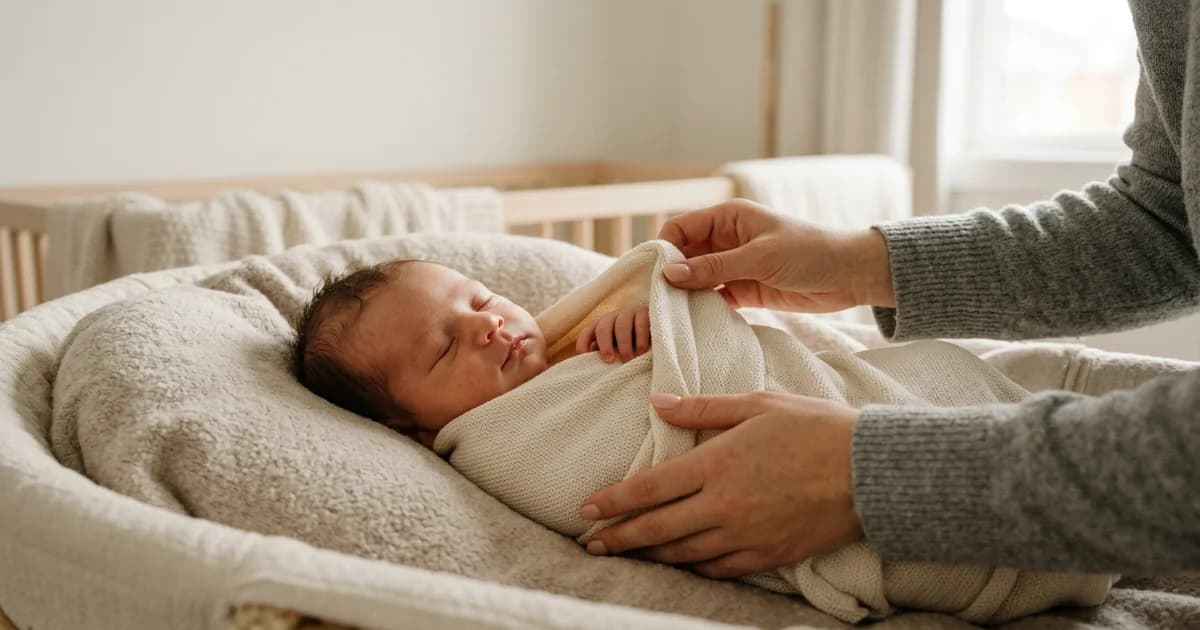
Month four delivers rolling and a lasting shift in sleep architecture at the same time, so the gear worth buying is whatever makes the room and the sleepwear safe. Blackout curtains, a sleeveless transitional sack, and a sound machine parked well across the room cover nearly everything. Once your baby rolls, arms come out of the swaddle for every single sleep, with no exceptions.
Our Verdict
Buy the blackout curtains and an arms-out sack first, since they answer the two genuine problems this stage creates. Add a sound machine only in a noisy home, kept low and far from the crib rather than beside it. Skip the wearable vitals monitor: it sells reassurance, not protection. Leave feeding equipment alone until your pediatrician gives you a start date for solids.
Key Takeaways
- ✓Month 4 hits with a combination punch: the infamous 4-month sleep regression, the start of rolling over, and the first time baby is genuinely interested in the world around them. This guide is survival-oriented.
- ✓Week 1-2 of the regression: Survive. Don't change everything at once. Keep a consistent bedtime routine and ride it out.
- ✓Month 4 is hard. The regression is real but temporary. The gear above actually helps. Your baby's brain is doing exactly what it's supposed to do — reorganizing sleep cycles for the rest of their life.
As an Amazon Associate I earn from qualifying purchases. Product prices and availability are subject to change.
Month 4: The Sleep Regression Survival Kit
Month 4 hits with a combination punch: the infamous 4-month sleep regression, the start of rolling over, and the first time baby is genuinely interested in the world around them. This guide is survival-oriented. You need help right now.
What's happening at 4 months
Physical milestones:
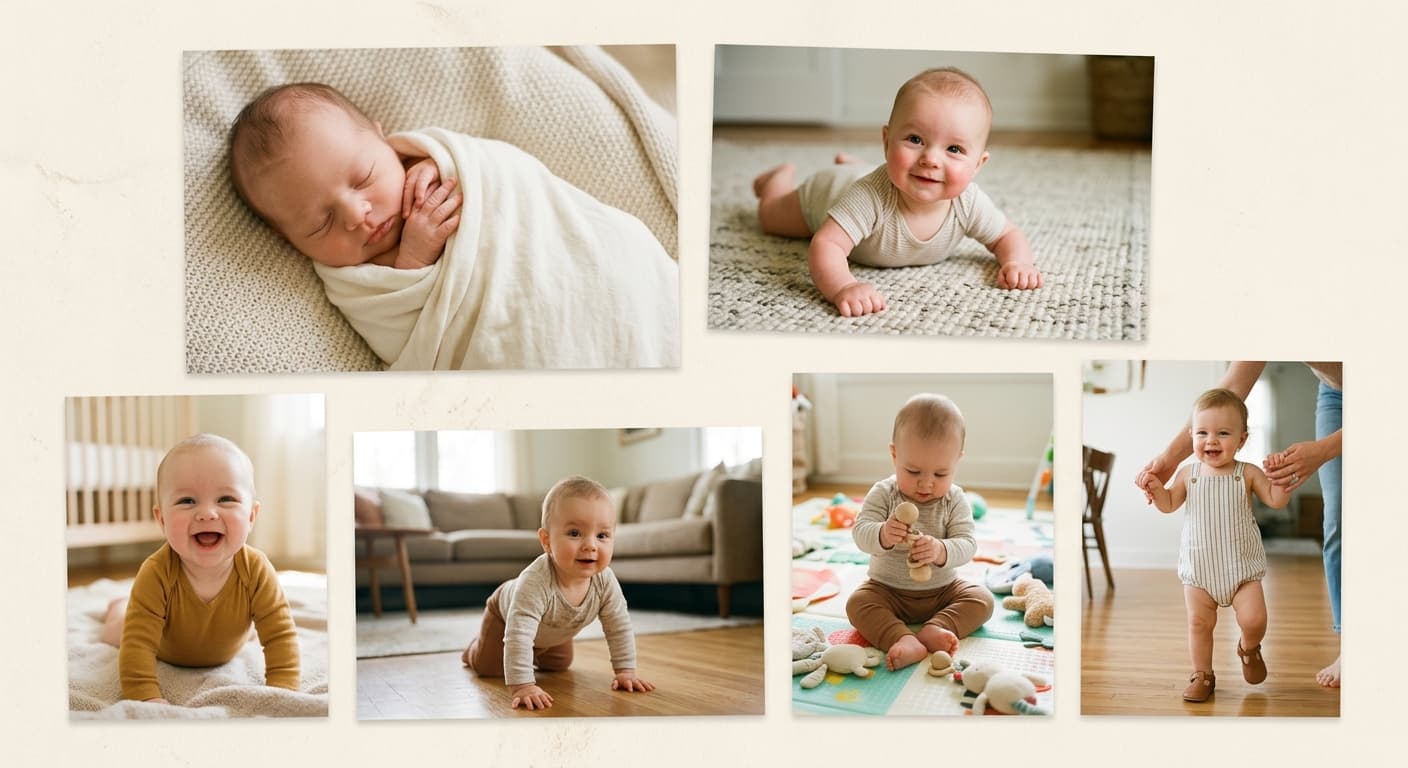
- Rolling over (front to back first, then back to front) — this is a big deal for sleep safety
- Better head control in all positions
- Grabbing at toys intentionally
- Putting everything in mouth (oral exploration phase)
- Clearer "conversations" — cooing back and forth with you
- May start laughing out loud
- More differentiated cries (hungry vs tired vs bored)
Sleep:
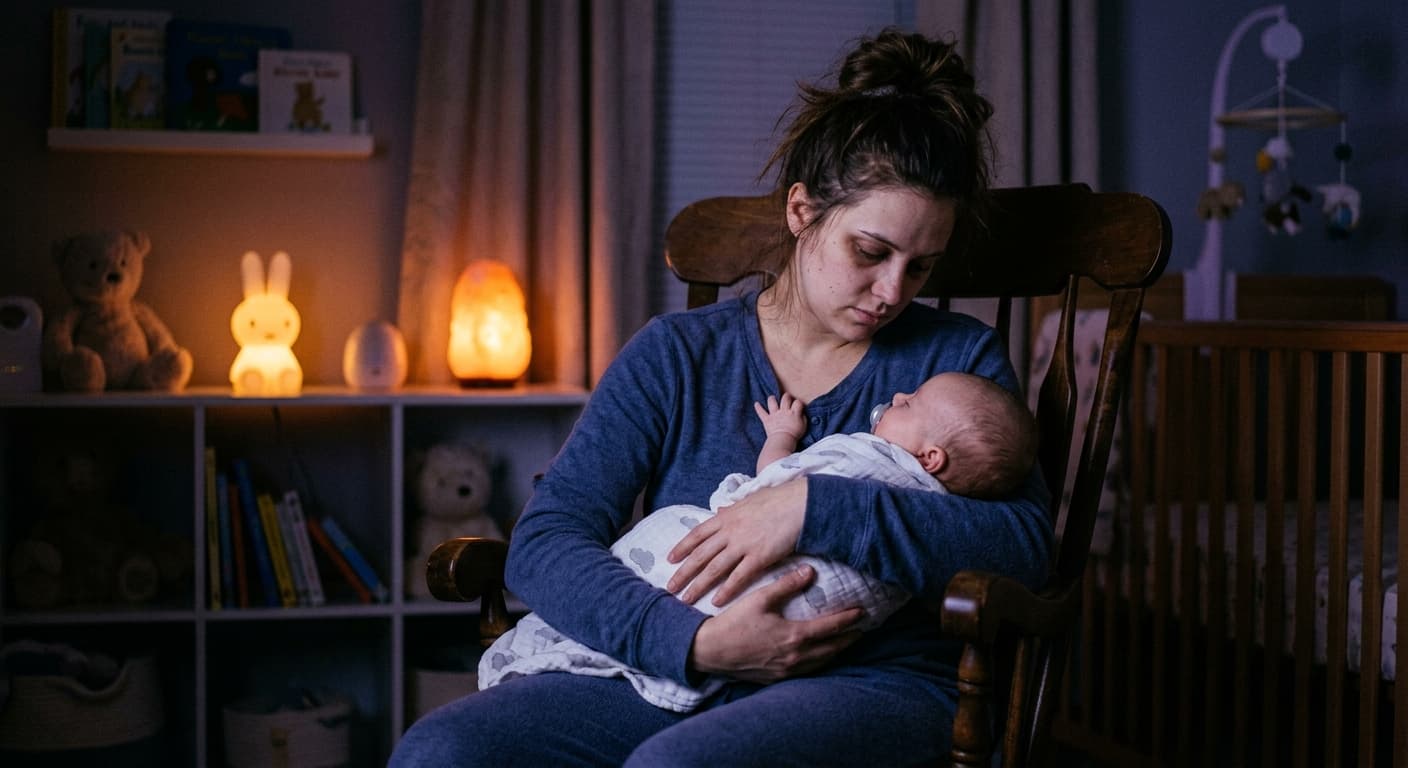
- The 4-month sleep regression is real and almost universal
- Sleep cycles shift from newborn patterns to adult-like patterns
- Baby becomes more alert and wakes between cycles
- Naps may shorten (the dreaded 30-45 min catnap)
- Night wakings increase even for previously-good sleepers
The must-have 4-month gear
If you get nothing else, get these. In priority order:
1. Blackout curtains — $30-80
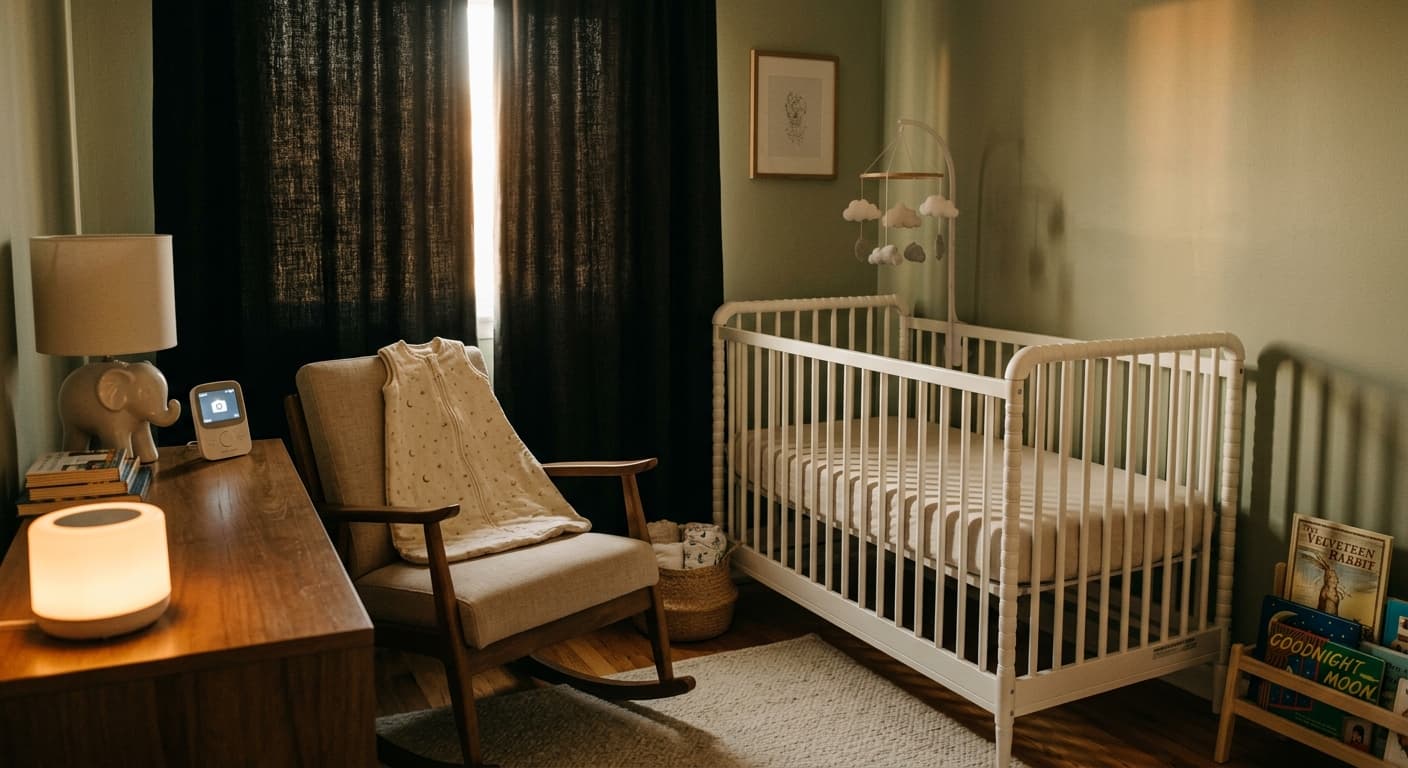
The single highest-impact purchase at this stage. Your baby's melatonin production is maturing, and even ambient light from a hallway, nightlight, or streetlight delays it.
Best picks: Nicetown Blackout Curtains ($35) or Sleepout Home Portable Blackout Curtain ($80 — removable, great for travel).
Test: Your nursery should be dark enough that you can't see your hand clearly.
2. Transitional sleep sack — $35-45
Once baby shows any signs of rolling, the traditional swaddle becomes a suffocation risk. Time to transition.
Best picks:
- Merlin Magic Sleepsuit ($40) — transitional, looks like a puffy onesie, mimics some swaddle pressure
- Zipadee-Zip ($35) — star-shaped, allows more movement, less constrictive
- Halo Sleepsack ($30) — no swaddle features, just a proper sleep sack for rolling babies
Read: How to Transition Out of the Swaddle.
3. Upgraded white noise — $35-70
If you've been using a cheap white noise machine or a phone app, upgrade now (why a white noise app falls short of a sound machine). Consistent, proper white noise helps mask baby's wake-ups between sleep cycles.
Best picks:
- Hatch Baby Sound Machine ($80) — programmable, app-controlled, grows with your child
- Yogasleep Dohm ($55) — mechanical (not electronic), actual airflow white noise
- LectroFan Micro 2 ($35) — compact, battery-powered, travel-friendly
Volume: under 50 dB at the crib, the recommended noise limit for hospital nurseries cited in a 2014 Pediatrics study. Keep the machine across the room and use the lowest setting that masks household sounds.
4. Wearable monitor (optional but recommended) — $299
If you have the budget, the Owlet Dream Sock or similar gives peace of mind during a rough patch. Tracks heart rate and oxygen during sleep. Not medically necessary for healthy full-term babies, but the peace of mind is real during a regression.
Alternative: A good baby monitor with breathing detection like the Nanit Pro.
5. Post-regression sleep books (optional) — $15-20
If you think you want to sleep train once baby is through the regression, start reading now. Popular options:
- The Sleep Lady's Good Night, Sleep Tight (gradual method)
- Healthy Sleep Habits, Happy Child (Weissbluth, fading method)
- Solve Your Child's Sleep Problems (Ferber, graduated extinction)
See our Ferber vs Gradual vs No-Cry comparison for the honest breakdown.
Your action plan for the regression
Week 1-2 of the regression: Survive. Don't change everything at once. Keep a consistent bedtime routine and ride it out.
Week 2-3: If you haven't already, transition out of the swaddle (rolling is a safety issue now). Add blackout curtains. Upgrade white noise. Earlier bedtime if baby is going down after 8 PM.
Week 3-4: Consider whether you want to start sleep training. If you do, pick a method and commit for 5-10 days. If you don't, continue riding it out.
Week 4-6: Most regressions resolve by now. Baby's new sleep cycles stabilize. You may get some sleep back.
Daytime gear additions
Activity/tummy time
- Exersaucer (NOT for unsupervised use — 15 minutes max per session, starting around 4 months)
- Bumbo-style seat (controversial — some pediatricians discourage, use very briefly if at all)
Toys
- Teething toys (Sophie la Girafe, Itzy Ritzy rings)
- Rattles and grippable toys
- More books — they're starting to engage with pictures
Feeding (if considering starting solids early)
- Don't. AAP recommends 6 months for solids. Check signs of readiness later.
Common month 4 mistakes
-
Panicking and buying 10 sleep products. Pick the essentials, give them 2 weeks, then evaluate.
-
Abandoning your routine during the regression. Consistency is what gets you through.
-
Starting solids to "help sleep." Research shows this doesn't work and can create new problems.
-
Comparing to other babies. The friend whose 4-month-old sleeps 10 hours straight is an outlier. Your baby is normal.
-
Dropping the swaddle too late. Once rolling starts, the swaddle is a suffocation risk. Don't wait.
-
Starting sleep training while sick/teething. Wait for a stable window. Pushing through illness is counterproductive.
4-month well visit
Expect:
- Height/weight/head circumference check
- Developmental assessment (smiling, head control, tracking)
- Second round of vaccines (DTaP, Hib, IPV, PCV, rotavirus)
- Discussion of starting solids next month (6 months standard recommendation)
Questions to ask:
- Is baby meeting expected milestones?
- Any concerns about sleep we should discuss?
- Signs of reflux or food sensitivity?
- Vitamin D (if breastfeeding)?
- When to start solids for our baby specifically?
Month 4 to-dos
- 4-month well-child visit scheduled
- Blackout curtains installed
- Transitional sleep sack purchased
- White noise machine at correct volume and distance
- Drop the swaddle if rolling is starting
- Start reading about sleep training methods (even if undecided)
- Prepare mentally: this phase ends
Bottom line
Month 4 is hard. The regression is real but temporary. The gear above actually helps. Your baby's brain is doing exactly what it's supposed to do — reorganizing sleep cycles for the rest of their life. You will get through this.
Related reading:
💬 Real Talk from Parents
You'll google 'baby sleep regression' at least once a month for the first year.
Sleep training is 50% technique and 50% parental willpower.
The secret nobody tells you: most babies figure out sleep eventually. The books just help you survive until they do.
Paraphrased community consensus — not a direct quote.
Research Sources
Hilly Shore Inc.
Editorial teamIndependent product research team behind Cribworthy. Reviews are grounded in published AAP / CDC / NHTSA / CPSC pediatric guidance, JPMA / GREENGUARD GOLD / OEKO-TEX certification verification, and aggregated buyer sentiment.
124 products reviewed · 22 categories covered · cites AAP, CDC, NHTSA, CPSC, FDA, ACOG.
Safety claims are verified against published pediatric guidelines and CPSC databases. See our editorial standards.