Breastfeeding Essentials 2026: 8 You Need, Plus What to Skip
Quick Answer
Eight items cover it: two or three nursing bras, nursing pads, nipple cream, a feeding pillow, milk storage bags, a silicone letdown catcher, at least ten burp cloths, and the pump your insurance already owes you under the Affordable Care Act. Order that pump before delivery. Everything beyond those eight — warmers, covers, supplements — is a preference, not a requirement.
Our Verdict
Skip the fancy lactation teas and $60 nursing pillows. Invest instead in an IBCLC visit if anything feels off — one appointment is worth more than any product on this list.
Key Takeaways
- ✓Breastfeeding is technically "free" — your body makes the milk. In practice, breastfeeding parents end up buying a whole kit of support gear: pumps, pillows, bras, creams, catchers, warmers, storage bags.
- ✓Cost: Often covered by insurance. $100-200 out of pocket per visit if not.
- ✓If you're considering formula supplementation, know this: it's completely OK. Many families do combo feeding and thrive.
- ✓The breastfeeding essentials are fewer than the internet suggests. 2-3 bras, nursing pads, nipple cream, a good pillow, and your insurance-provided pump are 90% of what you need. Everything else is optional.
As an Amazon Associate I earn from qualifying purchases. Product prices and availability are subject to change.
Breastfeeding Essentials: The Gear You Actually Need
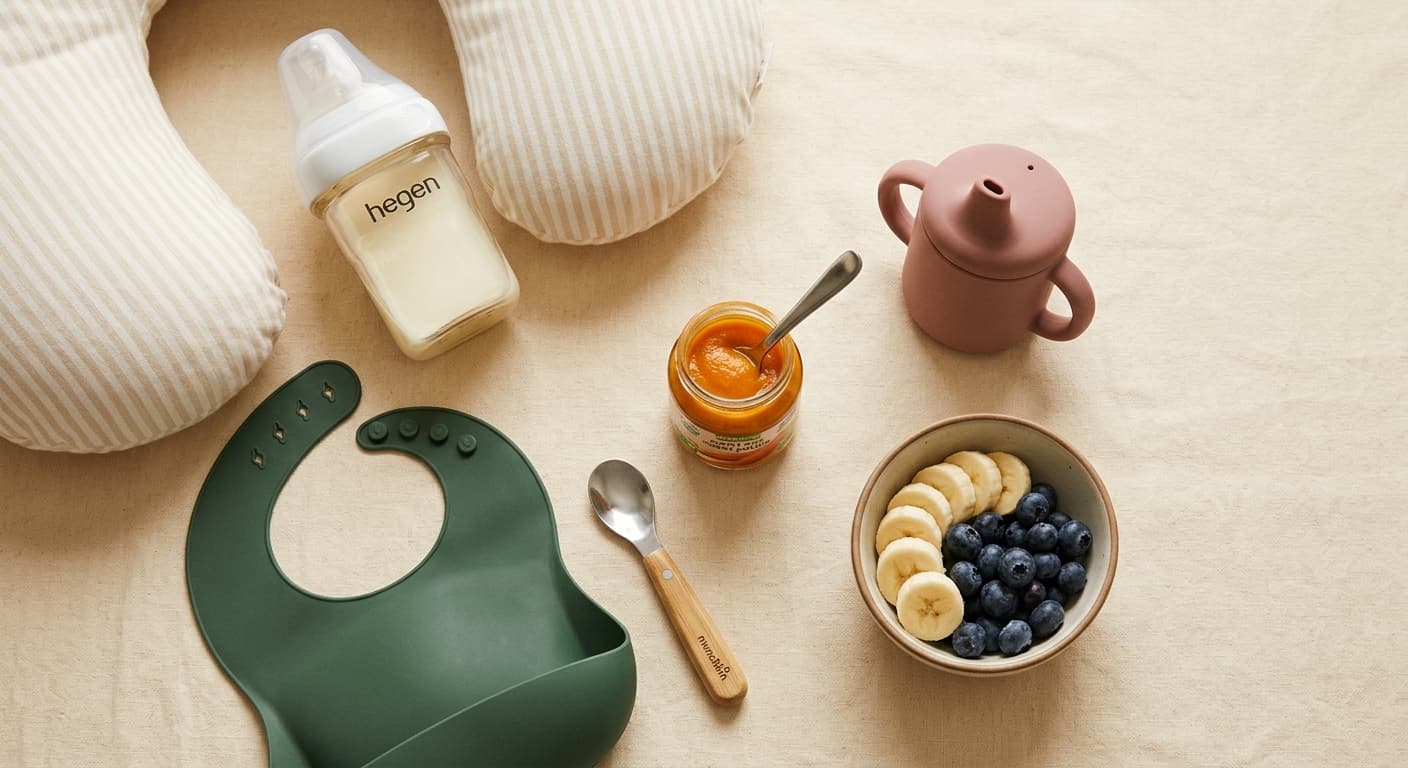
Breastfeeding is technically "free" — your body makes the milk. In practice, breastfeeding parents end up buying a whole kit of support gear: pumps, pillows, bras, creams, catchers, warmers, storage bags. This guide covers what you actually need based on real parent feedback, and what you can skip.
The essentials
1. Nursing bras (2-3 minimum)
Skip the random Amazon packs — invest in 2-3 quality nursing bras that fit you well.
What to look for:
- Soft fabric (no underwire in the early weeks)
- Clasps that open one-handed
- Enough support for your bust size
- Breathable
Recommended brands: Kindred Bravely, Bravado, Elomi (for larger cup sizes)
Cost: $30-60 per bra. Get 2-3.
2. Nursing pads (disposable or washable)
Leaky breasts are universal. Nursing pads save your shirts.
- Disposable: Lansinoh, Medela — convenient, good for out-and-about
- Washable: Bamboobies, Kindred Bravely — more sustainable, soft
Most parents buy both: disposable for on-the-go, washable for home.
Cost: $15 for a starter pack of each.
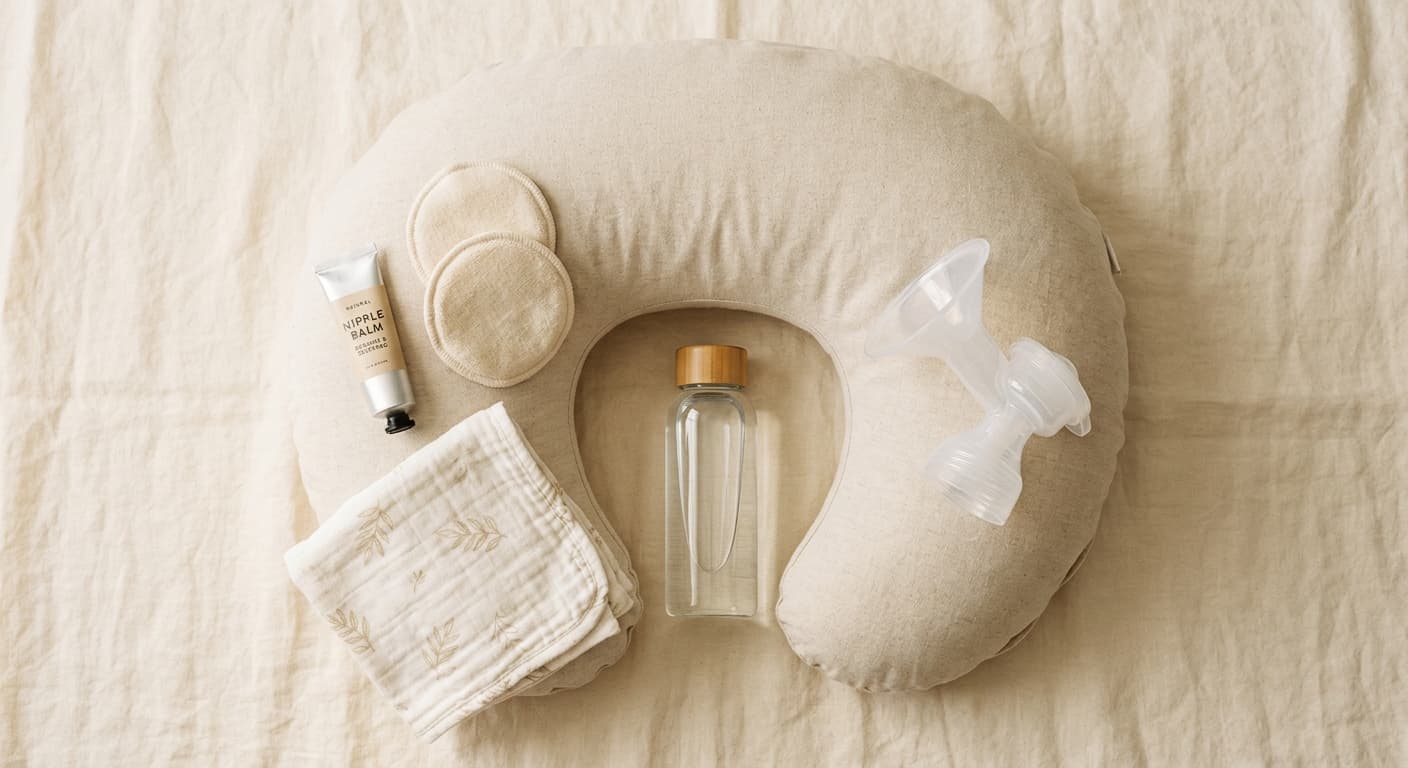
3. Nipple cream
Early breastfeeding is rough on nipples. Lanolin-based creams and plant-based options both work.
Top picks:
- Lansinoh Lanolin (classic, highly effective)
- Earth Mama Organic Nipple Butter (plant-based, all-natural)
- Motherlove Nipple Cream (organic, safe to ingest)
Tip: Apply after every feed for the first 1-2 weeks. It's the difference between "normal soreness" and "I'm going to quit" pain.
Cost: $15-20.
4. Nursing pillow
A good nursing pillow saves your back, shoulders, and arms during the first 6 months of endless feedings.
Top picks:
- Boppy Original ($35) — cheapest, most popular, works fine for most body types
- My Brest Friend ($45) — firmer, wraps around with a buckle, better for back support
- Bebe au Lait ($40) — premium alternative
Which to pick: My Brest Friend is firmer and more supportive but more restrictive. Boppy is softer and more flexible. Most parents do fine with Boppy.
Cost: $35-45.
5. Breast pump (FREE through insurance)
Do not buy a pump until you've checked your insurance coverage. Most US insurance plans cover one pump free through the Affordable Care Act.
How to get your free pump:
- Call Aeroflow, Yummy Mummy, Edgepark, or Babylist's insurance team (all authorized suppliers)
- Provide your insurance information and due date
- They confirm coverage and ship the pump 30 days before your due date
Covered pumps (usually free):
- Medela Pump in Style (most common free option)
- Spectra S1 / S2 (highly-rated, often free)
- Lansinoh Smartpump
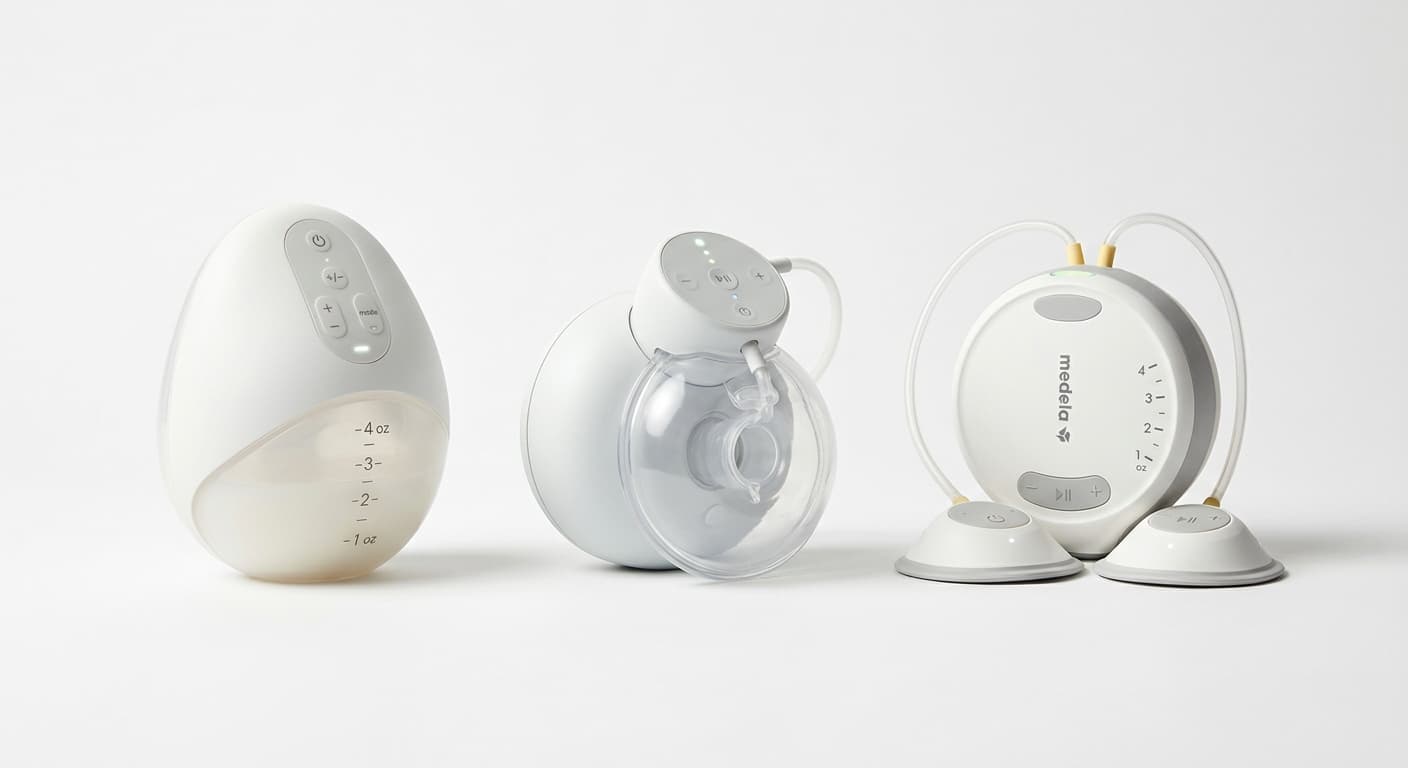
Upgrade pumps (usually $100-300 out of pocket):
- Willow Go (wearable)
- Elvie (wearable)
- Medela Freestyle Hands-Free (wearable)
See our Willow vs Elvie vs Medela comparison for wearable pump details.
6. Milk storage bags
For storing pumped milk in the freezer. We compare five brands against the CDC's storage rules in our best breast milk storage bags guide.
Top picks:
- Lansinoh Breastmilk Storage Bags ($10-15 for 100)
- Medela Pump & Save ($10-15)
Tip: Store in small quantities (2-4 oz each). Easier to thaw the right amount.
7. Haakaa silicone milk catcher ($15)
Not strictly essential, but highly recommended. The Haakaa passively collects milk from the "other breast" while you nurse on one side.
Why: You'd otherwise leak that milk into nursing pads. The Haakaa catches 1-3 oz per nursing session, which adds up to meaningful extra storage.
Cost: $15 for one.
8. Burp cloths (10+, seriously)
You cannot have too many. Spit-up happens constantly in the first 6 months.
Best: Aden + Anais cotton muslin (absorbent, washes well) or simple cloth diaper prefolds (most absorbent).
Cost: $25-40 for a pack of 10-12.
Nice-to-haves (not essential)
Lactation massager ($15-20)
The LaVie Lactation Massager is popular for relieving clogged ducts. Most parents don't need it but it's a lifesaver when you do.
Nursing cover ($20-30)
Some parents want privacy while nursing in public. Others don't bother. A muslin blanket works just as well as a dedicated cover.
Hot/cold breast therapy packs ($20)
Lansinoh Thera Pearl packs can be warmed (for let-down) or chilled (for engorgement). Useful in the first few weeks.
Nipple shield ($10-15)
Only if you have specific flat or inverted nipple challenges. Most parents don't need this. Can create dependency if overused.
Things you don't actually need
"Breastfeeding teas" and supplements
No rigorous evidence they work. If you have supply concerns, talk to a lactation consultant, not a supplement brand.
Fancy nursing scarves
A muslin swaddle works.
Breastfeeding journal apps
Most parents use a simple notes app. Or don't track at all once things are established.
$60+ nursing pillows
The Boppy at $35 works just as well as premium options for most people.
Lactation consultant (IBCLC)
This is more valuable than any product. An International Board Certified Lactation Consultant can help with:
- Latch issues
- Supply concerns
- Pain during feeding
- Milk transfer concerns
- Return to work planning
Cost: Often covered by insurance. $100-200 out of pocket per visit if not.
When to see one:
- Baby isn't gaining weight
- Breastfeeding is painful after week 2
- You suspect supply issues
- Baby refuses breast
- Before returning to work
Find one through ilca.org or your hospital's lactation program.
Common breastfeeding mistakes
-
Assuming all pain is normal. Some discomfort in the first week is normal; shooting pain or persistent cracking is not. See an IBCLC.
-
Not drinking enough water. Breastfeeding requires significant hydration. Aim for 80-100 oz per day.
-
Scheduled pumping to "increase supply." Counter-intuitively, pumping between feeds can throw off supply. Work with an IBCLC if supply is a concern.
-
Using nipple shields long-term. Can reduce supply and create baby's dependency. Only use with IBCLC guidance.
-
Comparing to other moms. Every supply is different. What matters is baby gaining weight.
-
Skipping the first pediatric weight check. This is how you verify baby is actually getting enough milk in the first 2 weeks.
When to consider formula supplementation
If you're considering formula supplementation, know this: it's completely OK. Many families do combo feeding and thrive.
Signs you may benefit:
- Baby isn't gaining weight on breast alone
- Mom's mental health is suffering from exclusive breastfeeding demands
- Return to work and can't pump enough
- Medical reasons (medications, surgery recovery)
Fed is best. A well-fed formula-fed baby is healthier than a stressed breast-only situation.
Bottom line
The breastfeeding essentials are fewer than the internet suggests. 2-3 bras, nursing pads, nipple cream, a good pillow, and your insurance-provided pump are 90% of what you need. Everything else is optional.
More important than any product: a supportive environment, an IBCLC on speed dial if things get hard, and permission to combo feed or switch to formula if that's what's right for your family.
Related reading:
Combo feeding saved my sanity. Breast milk when I could, formula when I couldn't. Baby thrived either way.
Paraphrased community consensus — not a direct quote.
Research Sources
Hilly Shore Inc.
Editorial teamIndependent product research team behind Cribworthy. Reviews are grounded in published AAP / CDC / NHTSA / CPSC pediatric guidance, JPMA / GREENGUARD GOLD / OEKO-TEX certification verification, and aggregated buyer sentiment.
122 products reviewed · 22 categories covered · cites AAP, CDC, NHTSA, CPSC, FDA, ACOG.
Safety claims are verified against published pediatric guidelines and CPSC databases. See our editorial standards.