The Complete Baby Registry Guide 2026: What You Actually Need
Quick Answer
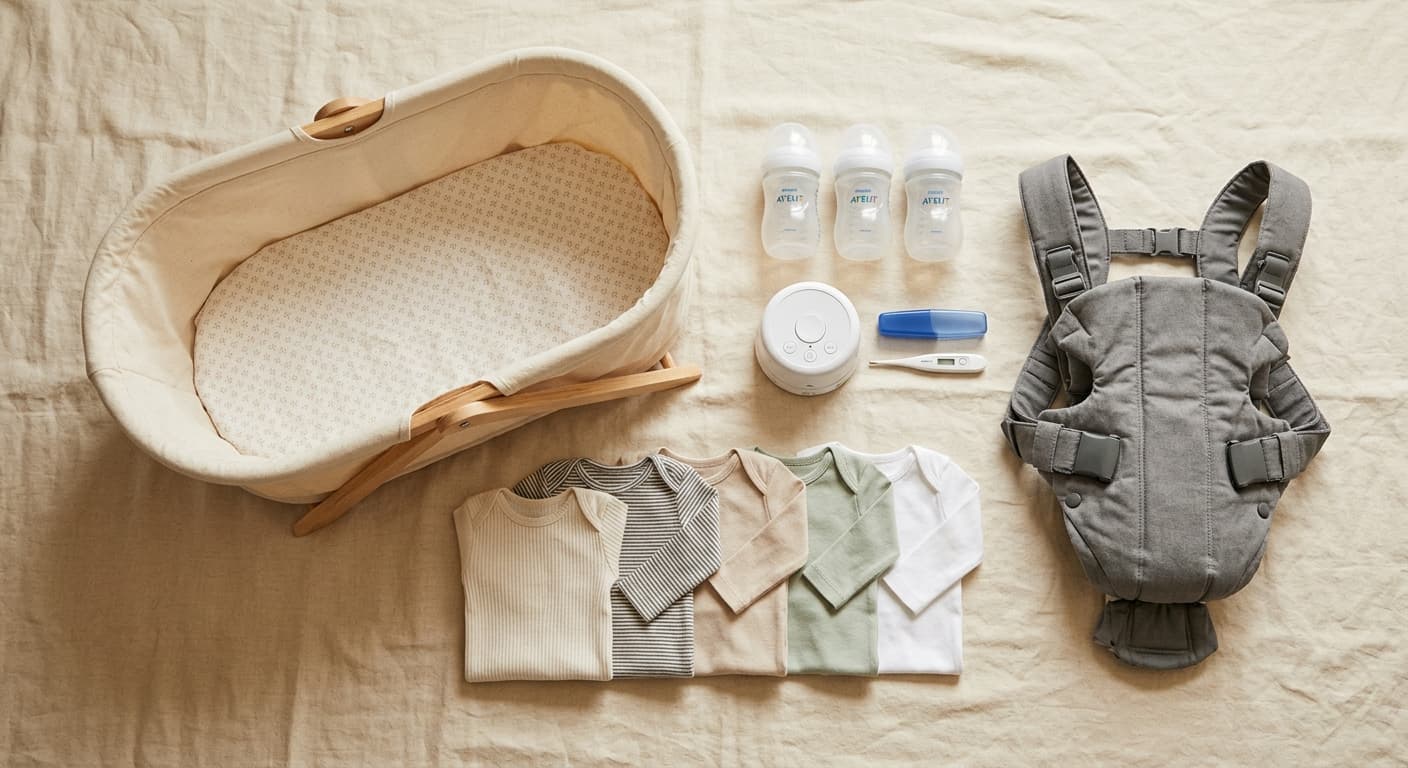
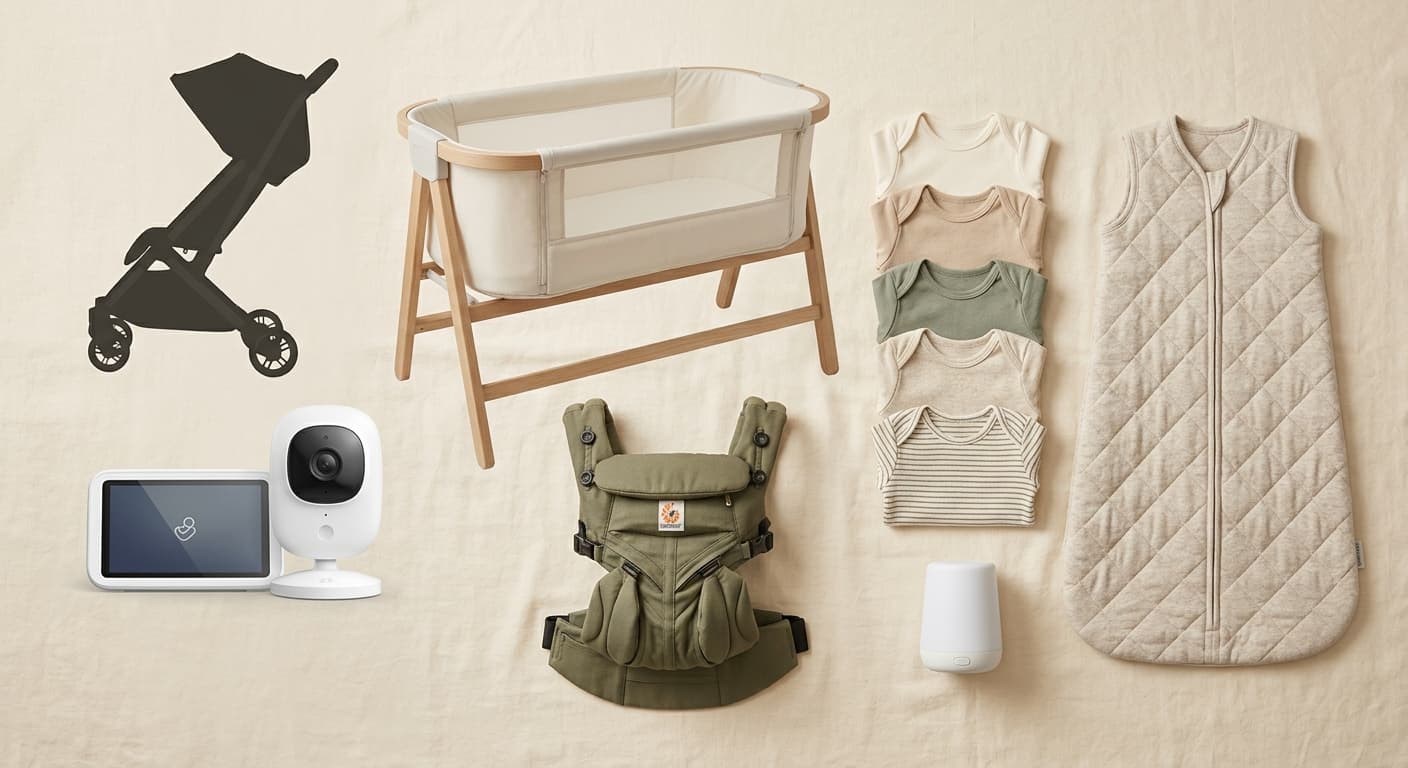
Most first-time parents need about 30 registry essentials: a safe sleep surface, firm mattress, fitted sheets, sleep sacks, bottles or nursing supplies, diapers and wipes, a diaper bag, simple newborn clothing, an infant car seat, stroller, monitor, carrier, first-aid basics, and bath basics. Skip the registry filler: wipe warmers, bottle warmers, crib bumpers, baby powder, newborn shoes, and duplicate sleep setups. Start around 20 to 24 weeks, keep the list practical, and use budget tiers to decide where to splurge.
Our Verdict
Build the registry around the 30 items you will actually use, then add nice-to-haves only after sleep, feeding, diapering, clothing, car seat, stroller, monitor, and first-aid basics are covered. Buy new when safety history matters, especially car seats and crib mattresses; use secondhand for low-risk items like books, toys, and extra clothes.
Swipe to compare every product.
| Comparison field | #1  Hatch Baby Sound Machine Hatch Baby Sound MachineOwner rating | #2 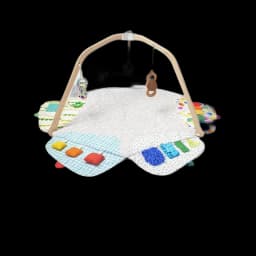 Lovevery The Play Gym Lovevery The Play GymOwner rating | #3  Tushbaby Hip Carrier Tushbaby Hip CarrierOwner rating | #4 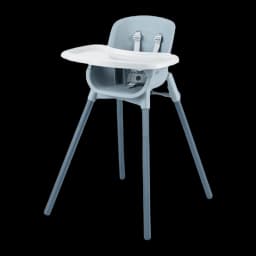 Chicco Zest 4-in-1 High Chair Chicco Zest 4-in-1 High ChairOwner rating | #5 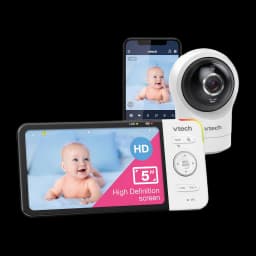 VTech RM5764HD Smart WiFi Monitor VTech RM5764HD Smart WiFi MonitorOwner rating | #6 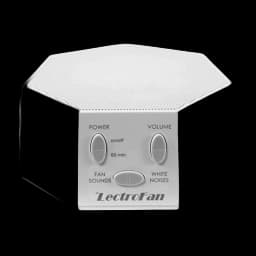 LectroFan Classic LectroFan ClassicOwner rating |
|---|---|---|---|---|---|---|
| Verdict | Sleep: the sound machine that becomes the toddler clock later | Play: floor time that lasts past six months | Carrying: hip carrier for the quick-pickup months | Feeding: a high chair that converts to a booster | Monitor: Wi-Fi camera, no subscription | Sleep, simpler: a real fan sound, no app |
| Price | ~$79.99Buy on Amazon | $148.99Buy on Amazon | List Price: | List Price: | List Price: | $54.95Buy on Amazon |
| Brand | Hatch Baby | — | — | — | — | — |
| Age range | — | 0 to 12 months | — | — | — | — |
| Mat material | — | Organic cotton, GOTS-certified components | — | — | — | — |
| footprint | — | 40 x 40 inches | — | — | — | — |
| washable | — | Cover machine washable | — | — | — | — |
| includes | — | Mat, two arches, batting toys, teething ring, high-contrast cards, mirror, play guide | — | — | — | — |
| Type | — | — | Hip seat carrier | 4-in-1 convertible | WiFi + dedicated hybrid | — |
| Carry Positions | — | — | 1 (hip seat) | — | — | — |
| Weight Range | — | — | 8–45 lbs | — | — | — |
| Carrier Weight | — | — | 1.25 lbs (empty) | — | — | — |
| Lumbar Support | — | — | Yes (memory foam seat) | — | — | — |
| Machine Washable | — | — | Spot clean only | — | — | — |
| Modes | — | — | — | High chair / feeding / toddler / stool | — | — |
| Fold | — | — | — | Compact fold | — | — |
| Tray | — | — | — | Removable, BPA-free | — | — |
| Cleaning | — | — | — | One-piece wipe-clean seat | — | — |
| Resolution | — | — | — | — | 1080p | — |
| Night Vision | — | — | — | — | Yes (IR) | — |
| Display | — | — | — | — | 5" LCD + app | — |
| Smart Features | — | — | — | — | Remote pan/tilt, lullabies | — |
| Connection | — | — | — | — | WiFi + FHSS | — |
| Power | — | — | — | — | — | USB or AC adapter |
| Sound Library | — | — | — | — | — | 20 non-looping variations |
| Sleep Timer | — | — | — | — | — | 1, 2, 3, 4, 5, 6, 7 hours or continuous |
| Volume Range | — | — | — | — | — | Wide, with fine control |
| Dimensions | — | — | — | — | — | 4.4 x 4.4 x 2.2 inches |
| Weight | — | — | — | — | — | Under 1 lb |
| Buyer sentiment | — | Quality Educational Value for money Entertainment Buyers praise quality, educational, value for money and entertainment. Based on 1,634 user mentions | Back support Quality Comfort Pockets Buyers praise back support, quality, comfort and pockets. Based on 2,113 user mentions | Ease of cleaning Quality Assembly Stability Ease of use Size Buyers praise ease of cleaning, quality, assembly and stability. Some flag ease of use and size. Based on 414 user mentions | Quality Picture quality Connectivity Reliability Battery life Buyers praise quality and picture quality. Some flag connectivity and reliability. Based on 2,698 user mentions | Noise Buyers praise noise. Based on 882 user mentions |
| Pros |
|
|
|
|
|
|
| Cons |
|
|
|
|
|
* Prices are approximate. Check the linked retailer for current pricing and availability.
Key Takeaways
- ✓Building a baby registry is one of the most overwhelming tasks of pregnancy.
- ✓If you register for nothing else, get these. Everything else is nice to have.
- ✓Whatever car seat you choose, installation matters as much as the model: NHTSA's National Child Restraint Use Special Study estimated that 46% of car and booster seats were misused.
- ✓Where you land depends far more on how many splurge items you allow than on how many essentials you register for.
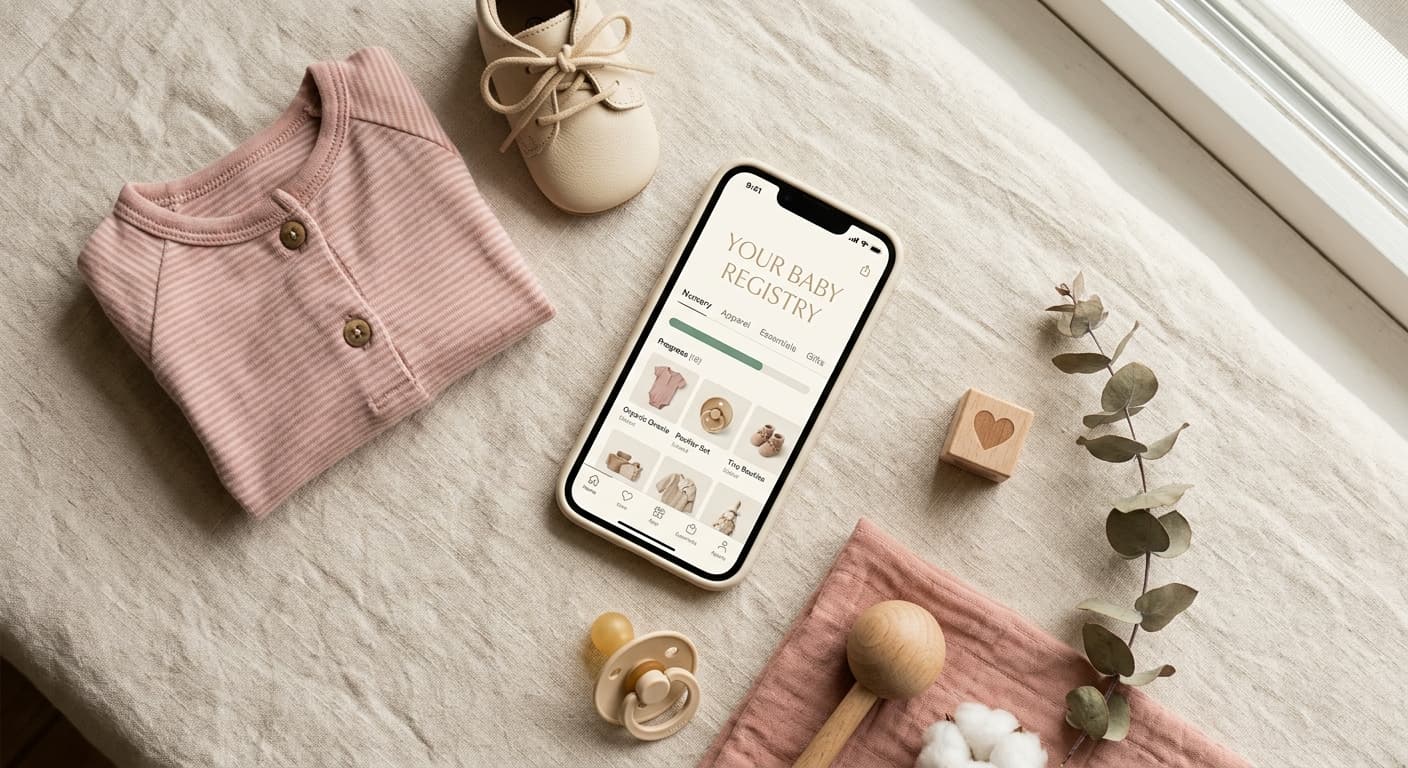
- ✓You can build a registry on Amazon, Babylist, Target, or Walmart. Each has trade-offs.
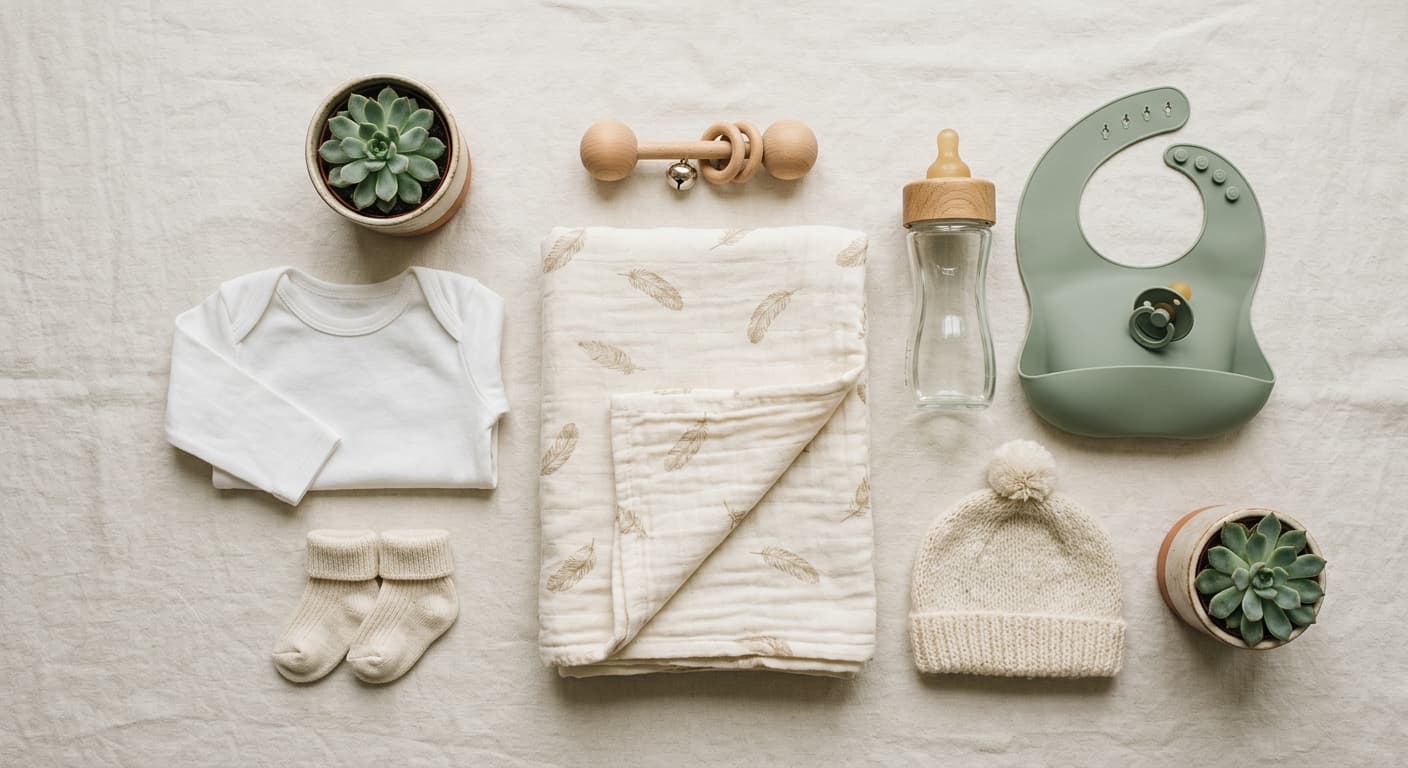
As an Amazon Associate I earn from qualifying purchases. Product prices and availability are subject to change.
The Complete Baby Registry Guide for 2026
Building a baby registry is one of the most overwhelming tasks of pregnancy. The internet will tell you that you need 247 items, cost anywhere from $3,000 to $15,000 total, and that every single thing is "essential." It's nonsense.
The truth is this: most babies need about 30 essential items. Everything else is either optional, a duplicate of something you already own, or going to sit unused for months.
This guide cuts through the noise. It's based on owner reviews, the registry checklists the big platforms publish, and the consistent patterns in what parents say actually got used in real homes.
The 30 essential items (the honest list)
If you register for nothing else, get these. Everything else is nice to have.
Sleep (6 items)
- Bassinet or bedside sleeper (for the first 4-6 months)
- Full-size crib (transitions from month 4-6 onward)
- Firm crib mattress — safety criteria here
- 2-3 fitted crib sheets (babies spit up a lot)
- 2-3 sleep sacks in age-appropriate TOG
- White noise machine — comparison here
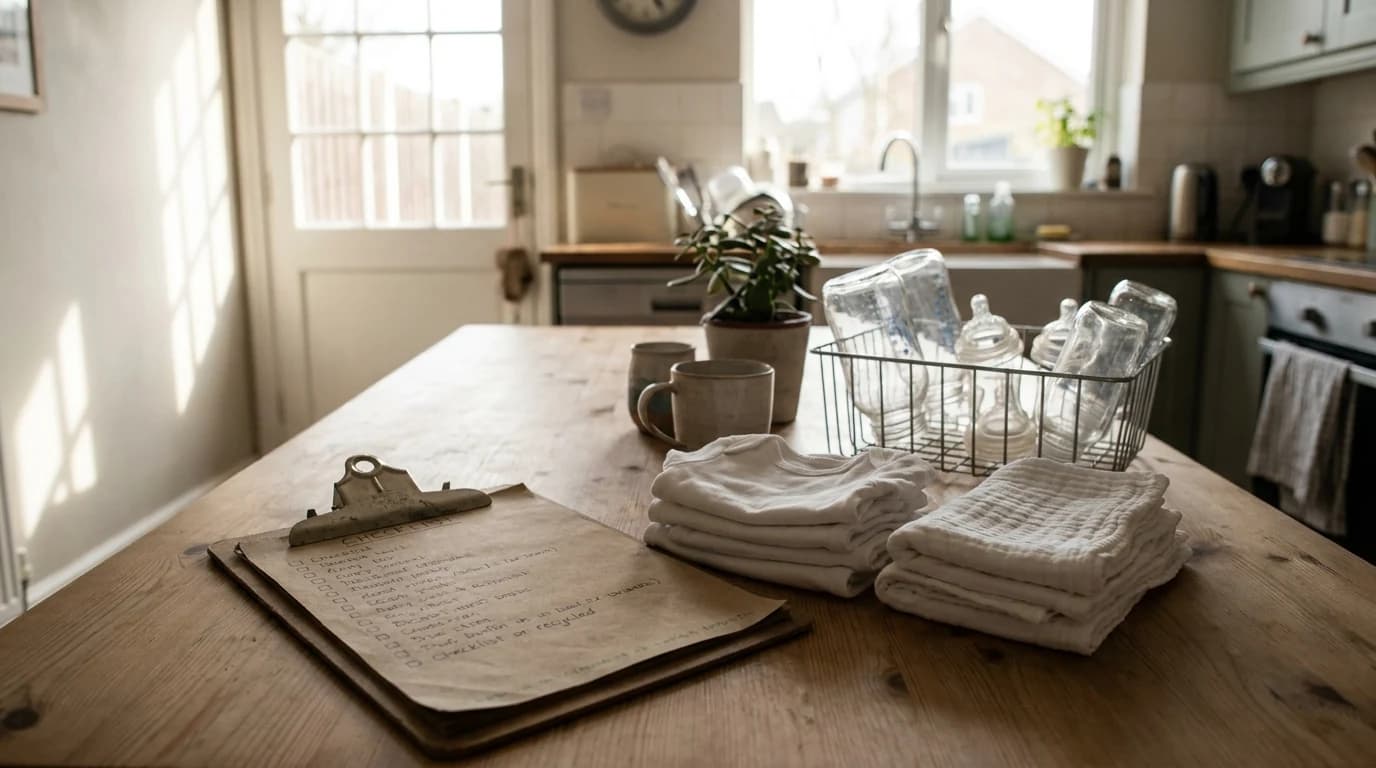
Feeding (8 items)
- 6-8 bottles (even if breastfeeding, you'll need these)
- Bottle brush + drying rack
- Sterilizer (optional but most parents end up wanting one; compare bottle washers and sterilizers)
- Burp cloths (at least 8-10)
- Nursing pillow (Boppy or similar — also useful for bottle-feeding)
- Bibs (6-8 basic ones)
- Breast pump (most US insurance covers this free)
- Nipple cream / nursing pads (for breastfeeding parents)
Diapering (5 items)
- Changing pad + 2 covers
- Diapers (start with newborn + size 1, maybe a small stash of size 2 — don't over-stock!)
- Wipes (unscented, bulk)
- Diaper cream — comparison here
- Diaper bag — comparison here
Clothing (5 items)
The consumable to register for: diapers are the one thing on this list you'll buy every single week for two years, so put the big boxes on the registry rather than the cute stuff — and once your baby is sleeping longer stretches in a bigger size, an overnight diaper such as Pampers ZZZ Overnight → is worth adding.
- 6-8 onesies in newborn size
- 6-8 onesies in 0-3 month size
- 2-3 footed pajamas (one-piece sleepers)
- Hat (a soft one or two for outings; skip hats indoors once you're home, to avoid overheating)
- Socks/booties (just 2-3 pairs, babies lose these)
Safety + Gear (6 items)
- Infant car seat (non-negotiable) — see our car seat guide
- Stroller (compatible with your car seat, ideally)
- Baby monitor — comparison here
- Baby carrier (Ergobaby, BabyBjörn, or Tula) — comparison here
- First aid kit (digital thermometer, saline drops, nasal aspirator, nail clippers), plus a cool-mist baby humidifier if your winters are dry
- Baby bathtub (or sink insert)
That's it. That's the minimum viable baby setup.
The line every registry forgets: postpartum items for YOU — ice pads, witch hazel, mesh underwear. The registry is treated as a list for the baby, and the person recovering from birth gets nothing on it. Our postpartum must-haves list covers it.
Buy new, borrow, or wait
Registries push you to buy everything new and all at once. Sequence it instead:
- Buy new: the car seat, where an unknown crash history or an expired seat is a real risk (how long car seats last), and the crib mattress. A borrowed crib is fine only if it meets the current federal standard — drop-side cribs haven't been legal to sell since 2011 — and has no active recall.
- Borrow or buy used: bouncers, swings, high chairs, play mats, books (start with our best baby books for newborns) and clothes. Babies outgrow them fast, and plenty of babies reject a bouncer their cousin loved.
- Wait: the monitor type, carrier style and daytime soothing gear get easier to choose once you know whether your baby loves motion, hates being set down, or sleeps anywhere.
Whatever car seat you choose, installation matters as much as the model: NHTSA's National Child Restraint Use Special Study estimated that 46% of car and booster seats were misused. Get the install checked, and see our car seat installation guide.
The registry picks we'd actually buy
If you want the shortest possible list of things on this guide that we'd put our own money on, it's these six — all in the $50–150 band where the product is good enough to last and cheap enough that you won't resent it:
- Sleep: Hatch Baby sound machine → — or the LectroFan Classic → if you want a plain fan sound with no app.
- Play: Lovevery Play Gym → — the one piece of floor gear that stays useful past six months.
- Carrying: Tushbaby hip carrier → for the quick-pickup months.
- Feeding: Chicco Zest 4-in-1 high chair → — converts to a booster.
- Monitor: VTech RM5764HD → — a plain Wi-Fi camera monitor that works without a subscription.
Things everyone tells you to buy that you don't actually need
The research consistently shows these items go unused or get replaced quickly:
- Diaper Genie / Munchkin Diaper Pail — a regular kitchen trash can with a lid works fine (if you want one anyway, compare refill costs)
- Wipe warmer — babies don't care about cold wipes
- Bottle warmer — warm tap water works
- Baby food maker — your regular blender works
- Baby shoes (under 9 months) — babies can't walk
- Crib bumpers — banned in the US anyway, never buy
- Changing table — a changing pad on any flat surface works
- Baby powder — pediatricians don't recommend it anymore
- Bassinet AND co-sleeper AND crib — pick one approach, not all three
- Newborn shoes, jeans, or "outfits" — stick with onesies and sleepers for the first 3 months
Budget tiers
Where you land depends far more on how many splurge items you allow than on how many essentials you register for.
The $500 Registry (stretch budget)
Focus on essentials only. Second-hand where safe (crib, stroller). Aldi/Kirkland for consumables. Full $500 breakdown here.
The $1,000 Registry (typical first-time parent)
Mid-range essentials with a few splurges. This is where most first-time parents land. Full $1,000 breakdown here.
The $2,000+ Registry
Premium picks, more nice-to-haves, smart gear (SNOO, Nanit), premium stroller travel system.
The registry platforms compared
You can build a registry on Amazon, Babylist, Target, or Walmart. Each has trade-offs.
| Platform | What it's best at |
|---|---|
| Amazon Baby Registry | Widest product range, free stuff if you hit thresholds, 15% completion discount for Prime members |
| Babylist | Combines multiple retailers in one registry — most feature-rich, best UX |
| Target Baby Registry | 15% completion discount, universal gift card option |
| Walmart Baby Registry | Lowest prices, free welcome kit |
Most parents use multiple. Full comparison: Amazon vs Babylist vs Target Registry Comparison.
Timing your registry
Start too early and you research gear for months, then change your mind anyway. The window below tracks how most showers are actually scheduled. To keep shower gifts and registry buys from doubling up, use our no-duplicate baby shower and registry plan.
| When | What to do |
|---|---|
| Before 20 weeks | Don't start yet. You're still early. |
| 20-24 weeks | Ideal time to build. You've had your anatomy scan; you're mentally ready. |
| 24-30 weeks | Send out invites to your baby shower. Shower usually at 32-36 weeks. |
| 30-36 weeks | Review unfulfilled items after the shower; use completion discounts to fill gaps. |
| After birth | Keep using the registry for thank-you cards and month-of-essentials. |
What to register for that no one tells you
The standard list gets the categories right and the quantities wrong. Here is where real homes diverge from the template.
Things you'll need more than you think:
- More burp cloths (you can never have too many)
- More crib sheets (spit-up at 3 AM requires a 4th change of sheets)
- Diaper cream of the sensitive-skin variety
- A really good first aid kit
- A thermometer that actually works (not a cheap Amazon one)
Things you'll stop using by month 3:
- Newborn-size clothes (babies outgrow these in 6-8 weeks)
- Swaddles (most babies need to transition out by 2-3 months)
- Burp cloths (eventually reflux calms down — usually)
What you'll still be glad you registered for a year later: a quality baby carrier, a really good baby monitor, a firm crib mattress, and your favorite brand of diapers once you find it.
FAQ
When should I start my baby registry? Most parents start between 20-24 weeks of pregnancy. This gives time to research items without feeling rushed and aligns with when baby showers are typically hosted.
How much does a full baby registry cost? Typical ranges: Essentials only $500-700, mid-range $1,000-1,500, premium $2,000-3,500.
Is Amazon Baby Registry worth it? For most parents, yes. The 15% completion discount for Prime members plus the welcome box gift and wide selection make it the easiest starting point. Babylist is better for feature set, but Amazon is better for convenience.
Can I register for diapers? Yes — and you should. Subscribe to a diaper service via Amazon Subscribe & Save after shower, then cancel whenever you want. Diapers are one of the biggest recurring costs of the first year.
Should I register for the SNOO? Yes, if it's within budget or you can rent. See our SNOO vs alternatives comparison.
Bottom line
A baby registry is a tool to get the gear you need without spending a fortune. Focus on the 30 essentials, ignore the hype on 50% of what the internet tells you to buy, and remember — your baby doesn't need a perfect setup to thrive. They just need safe sleep, full tummies, clean diapers, and love.
Related reading:
- The $500 Baby Registry
- The $1,000 Baby Registry
- Amazon vs Babylist vs Target Registry Comparison
- Overrated Baby Registry Items
- The Complete Baby Sleep Guide
Hosting a baby shower? Our friends at BabyShowerShow have 20 ready-to-play shower games — emoji guess, baby trivia, name scramble, and more. Cast to a TV or share on Zoom.
💬 Real Talk from Parents
The baby gear you think you need and the gear you actually use are two very different lists.
The registry checklist is a starting point, not a shopping list.
Before you buy anything
Starting an Amazon Baby Registry is free, and it pays you back: you skip the guesswork, lock in perks, and only buy what your shower didn’t cover.
- Free Welcome Box of samples (Prime members, ~$35 value)
- Up to 15% completion discount on what's left when baby arrives
- Add items from any store — and free returns through baby's first year
Your next step
Start with the big-ticket items.
Research Sources
- Safe Sleep - American Academy of Pediatrics
- How to Keep Your Sleeping Baby Safe - HealthyChildren.org
- Car Seats: Information for Families — HealthyChildren.org (AAP)
- Safe Sleep for Babies Act — Public Law 117-126
- Results of the National Child Restraint Use Special Study (DOT HS 812 157) — NHTSA
- Full-Size Baby Cribs Business Guidance — CPSC
Hilly Shore Inc.
Editorial teamIndependent product research team behind Cribworthy. Reviews are grounded in published AAP / CDC / NHTSA / CPSC pediatric guidance, JPMA / GREENGUARD GOLD / OEKO-TEX certification verification, and aggregated buyer sentiment.
122 products reviewed · 22 categories covered · cites AAP, CDC, NHTSA, CPSC, FDA, ACOG.
Safety claims are verified against published pediatric guidelines and CPSC databases. See our editorial standards.